Brands with relevant product information
The features mentioned apply to specific products, not automatically to a brand’s entire range.
Albert Heijn
AH Sun-Dried Raisins is a specific label example for anyone looking for gluten-free or lactose-free options.
- For this variety, Albert Heijn lists raisins and sunflower oil as ingredients, 0 g of added sugars and 59 g of sugars per 100 g.
- These product features do not mean it is free from all allergens; check the current packaging.
Jumbo
Jumbo Pitted Dried Apricots 250 g has product-specific information about ingredients and allergens.
- Jumbo lists apricots, E220/sulphites and possible traces of nuts, peanuts and sesame.
- This variety is not suitable for anyone avoiding sulphites; the warnings are also relevant if you avoid nuts, peanuts or sesame.
Lidl
Lidl showcases dried fruit at selected stores.
- The product listing gives you a starting point for checking the packaging of a product available in store.
- The category listing itself does not confirm whether a specific product is free from allergens.
Aldi
ALDI Nederland lists Trader Joe's raisins in a 500 g pack.
- The product information gives you a specific reference for the product type and pack size.
- The product name and pack weight do not confirm that it is suitable for a specific allergy; check the label.
PLUS
PLUS Dried Apricots comes in a 375 g stand-up pouch, with product information about ingredients and nutrition.
- PLUS lists 0 g of added sugars per 100 g.
- The ingredients list includes E220 and sulphites, so this variety is not recommended as a sulphite-free option.
Dirk
Dirk lists 1 de Beste Sultana Raisins in a 375 g pack.
- Dirk suggests using them in yoghurt, muesli and baking recipes.
- These suggested uses do not confirm that the product is suitable for a specific allergy; check the product information.
Joybuy options for a lunch portion
These options are freeze-dried jackfruit in small packs, suitable as a lunch addition. Check the packaging for allergen information relevant to the specific substance you avoid.
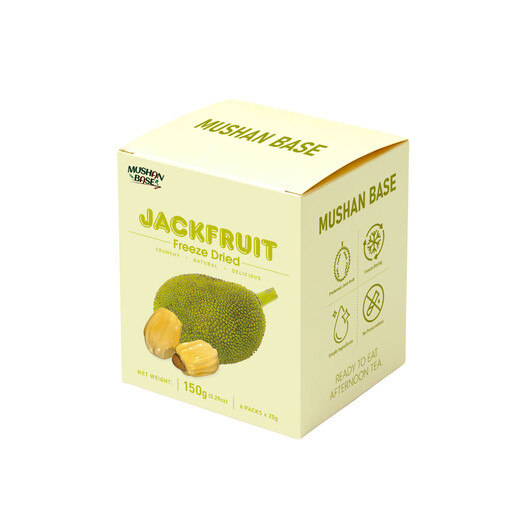 Image unavailable
MUSHAN BASE freeze-dried jackfruit 150g (25g x 6)
The individual sachets may suit you if you want to portion out your lunches in advance; check the packaging for allergen information relevant to you.
The product information lists jackfruit (100%) as the ingredient and states that no sugar has been added.
The pack contains six 25 g sachets.
View at Joybuy
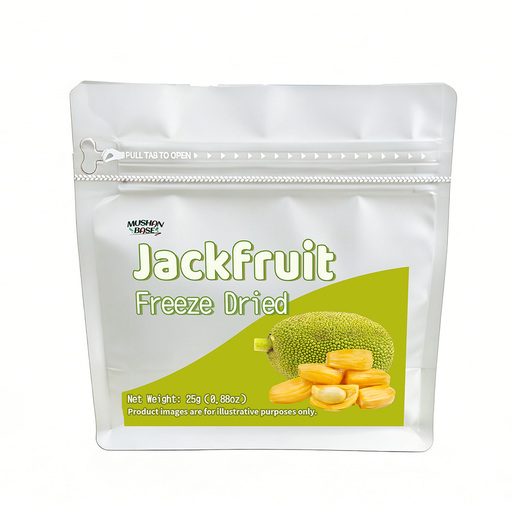 Image unavailable
MUSHAN BASE freeze-dried jackfruit 25g
This sachet may suit you if you’re looking for a pre-portioned lunch addition; check the packaging for allergen information relevant to you.
The product information lists jackfruit (100%) as the ingredient and states that no sugar has been added.
The portion described is 25 g.
View at Joybuy
Frequently asked questions
Is lactose-free the same as suitable for someone with a milk allergy?
No. A lactose-free label on its own does not confirm that a product is suitable for someone with a milk allergy. Check the milk-related ingredients and warnings on the packaging. Albert Heijn describes AH Sun-Dried Raisins as lactose-free, but that does not mean it is free from all allergens.
What should I do if a product says ‘may contain’?
Treat the warning as relevant product information for the substance you avoid, and check the ingredients list too. The NVWA announced that it would start monitoring allergen warning rules from 2026. Always check the label on the pack you buy.
Are organic or unsulphured apricots automatically sulphite-free?
No. Don’t assume that sulphites are completely absent just because a product is labelled organic or has no added sulphites: Nutrilab explains that sulphites can also occur naturally. The organic Jumbo example also listed possible traces of nuts, peanuts and sesame.
Does ‘no added sugar’ mean dried fruit is sugar-free?
No. For AH Sun-Dried Raisins, Albert Heijn lists 0 g of added sugars and 59 g of sugars per 100 g. Compare both figures and keep an eye on the amount you measure out.
How much dried fruit can I measure out for lunch?
Voedingscentrum recommends a maximum of 20 g of dried fruit per day. Use this as general nutrition guidance, not personal dietary advice, and also check the nutrition information for the product you choose.


