
Label-conscious snackers watching their fat intake
You compare fat content on labels and don’t want to mistake a low absolute figure for a proven fat reduction.


For a small snack while working from home, choose by checking the label and portion size, rather than relying on the words ‘reduced fat’. Albert Heijn, Jumbo and PLUS list different energy and sugar values, as well as different storage instructions, for the apricot products reviewed here. A low absolute fat content does not, by itself, prove a fat reduction compared with a reference product.
You compare fat content on labels and don’t want to mistake a low absolute figure for a proven fat reduction.
You’re looking for a measured addition to your lunch and check the energy and sugars for the amount you’ll actually eat.
You want to use a pack over several working days, so you check its contents and storage instructions after opening.
| What to consider | What should you check? | Who is this important to? |
|---|---|---|
| Fat content and claims | Compare the fat per 100 g on the exact pack; assess any fat-reduction claim separately. | I want to compare fat content on a like-for-like basis and avoid mistaking a low figure for a proven fat reduction. Around 31% of consumers put absolute fat content first. |
| Energy, sugars and portion size | Check the energy and sugars per 100 g and for the amount you plan to eat. | I want to weigh my snack and check the energy and sugars per portion, as well as the fat. This is the main priority for around 25% of consumers. |
| Use and storage | Check the net weight and the storage instructions before and after opening. | If I’m using it over several days working from home, I want to know how much I’m buying and how to store the pack once opened. Around 19% of consumers put convenience and storage first. |
| Allergens | Read the allergen information and any warnings on the exact pack. | If I need to avoid a particular allergen, I check the pack before considering the fat content. This is the top purchase priority for around 13% of consumers. |
| Fruit type and texture | Check which type of fruit and product format you’re buying; compare the nutritional values for that specific variety. | I’m looking for a particular type of fruit or a soft or crunchy texture; the product name alone doesn’t tell me everything about its nutritional values. For around 12% of consumers, fruit type and texture come first. |
A low fat content alone doesn’t tell you how much energy or sugar a portion contains.
Compare the energy and sugars as well as the fat, and decide in advance how much you want to eat. General food data isn’t an exact guide to the values in a specific supermarket pack.
Storage requirements may change after opening, so you can’t assume a pack can stay next to your laptop.
Portion it out in advance and follow the storage instructions on the exact pack.
A soft apricot, a dried fruit and a crunchy fruit snack aren’t necessarily comparable just because of their names.
Check the ingredients and nutritional values for the variety you actually want to buy.
A short ingredients list doesn’t mean a product is free from allergens that may be relevant to you.
If sulphites are a concern for you, read the allergen information and warnings on the pack.
Worth comparing for AH Soaked Dried Apricots, in a 250 g pack.
Jumbo Soaked Apricots is a relevant apricot option in a 250 g pack.
Lidl highlights Alesto as a relevant product range and lists dried mango strips.
At ALDI, Trader Joe’s Sun-Dried Apricots is a relevant option in a 250 g pack.
PLUS Dried Apricots is a relevant option in a 375 g stand-up pouch.
Dirk lists 1 de Beste Apricots in a 375 g pack.
These Joybuy options are fruity snacks for a lunch break at home; the fruit type, product format and nutritional values vary from pack to pack.
 No image available
The product information describes pitted jujubes as a ready-to-eat snack.
Per 100 g: 0 g of fat, 327 kcal and 50.0 g of sugars. Net weight: 390 g.
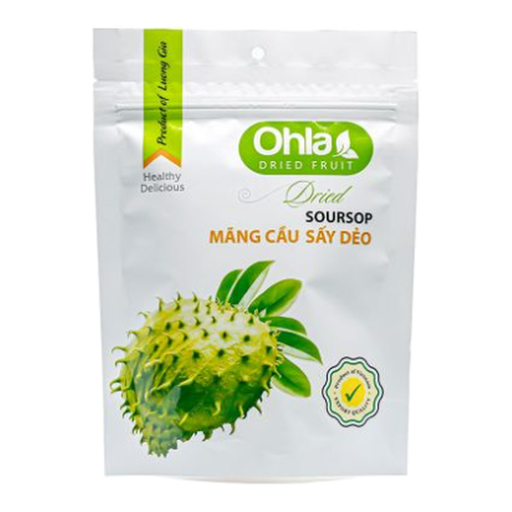 No image available
The product information presents the dried soursop as a snack.
Per 100 g: 2.21 g of fat, 348 kcal and 72.6 g of sugars. The ingredients list includes white sugar and glucose.
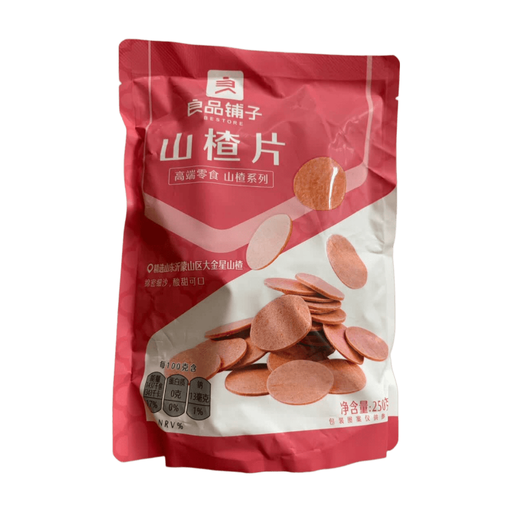 No image available
The product information mentions small packs and says the flakes are ready to eat.
Per 100 g: 0.3 g of fat, 343 kcal and 65.0 g of sugars. According to the product information, the pack contains 19–21 small packs.
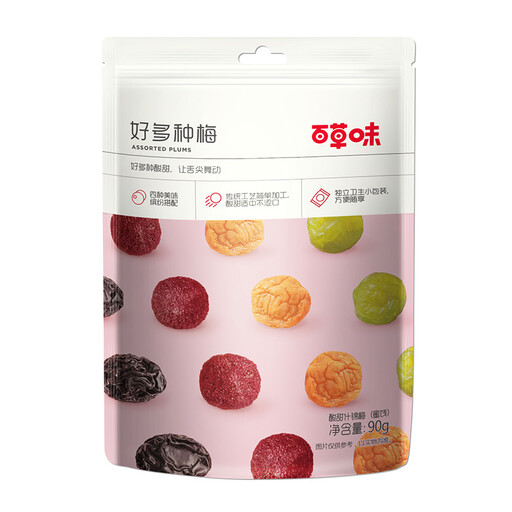 No image available
The product information describes dried plums as a ready-to-eat snack.
Per 100 g: 0.2 g of fat, 68 kcal and 16.0 g of sugars. Net weight: 90 g.
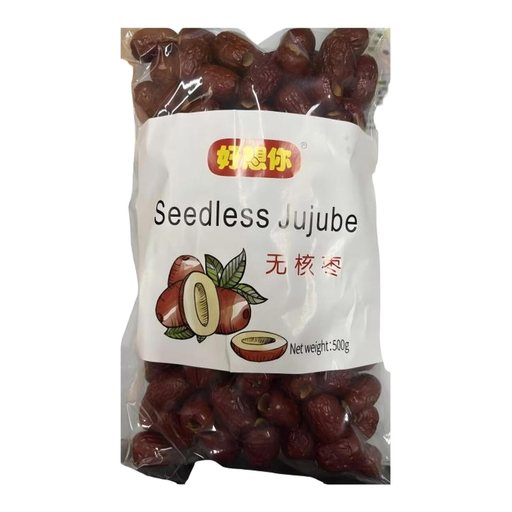 No image available
The product information describes pitted jujubes as ready to eat.
Per 100 g: 0.5 g of fat, 300 kcal and 60 g of sugars. Net weight: 500 g.
No, these terms don’t answer the same question. For solid foods, the European Commission sets a maximum of 3 g of fat per 100 g for the ‘low fat’ claim; the NVWA confirms that nutrition claims must comply with European rules. That absolute limit doesn’t, by itself, prove a fat reduction compared with another product.
No. PLUS lists 0 g of added sugars for its dried apricots, but also 53.4 g of sugars per 100 g. Check both figures in the nutrition information.
Multiply the value per 100 g by the weight of your portion in grams, then divide by 100. Use the weight you actually eat; a stated portion size isn’t automatically a dietary recommendation.
That depends on the instructions on the pack. Albert Heijn says its soaked apricots should be refrigerated at a maximum of 7 °C after opening. Don’t automatically apply general storage advice to a different product.
Read the allergen information and any warnings on the exact pack. According to the NVWA, allergen information for prepacked products must appear on the label; sulphite is one of the 14 specified allergens.