
Lunch snackers keeping an eye on fat
You’re looking for dried fruit that’s low in fat to have with your sandwich, and want to rely on the nutritional information rather than an unsubstantiated claim about reduced fat.


When comparing dried fruit to have with your lunch sandwich, check the fat per 100 g, but also look at the energy, sugars and the portion you actually eat. Among the products reviewed, AH soaked apricots contain 182 kcal and 37 g of sugars per 100 g, PLUS apricots contain 254 kcal and 53.4 g of sugars, and Jumbo blue raisins contain 310 kcal and 68 g of sugars. These product values are from Albert Heijn, PLUS and Jumbo respectively. A low fat content alone does not prove that a product has less fat than a reference product.
You’re looking for dried fruit that’s low in fat to have with your sandwich, and want to rely on the nutritional information rather than an unsubstantiated claim about reduced fat.
You want to know how much energy and sugar an extra snack adds to your lunch, so you also compare it with the amount you actually eat.
You take fruit with you and want the storage instructions, especially after opening, to fit your lunch routine.
Start by comparing the nutritional information per 100 g, then decide on your portion and check that the ingredients and storage advice suit your lunch routine.
| What to consider | What should you check? | Who should give this more weight? |
|---|---|---|
| Fat content | For solid foods, the European Commission defines ‘low fat’ as a maximum of 3 g of fat per 100 g. This is not the same as proving that a product contains less fat than a comparable product. | If I’m mainly looking for a low-fat option, I want to compare the label without simply assuming a reduced-fat claim is valid; around 31% of consumers prioritise low fat content. |
| Energy and portion size | Compare the same quantity: Albert Heijn lists 182 kcal and 37 g of sugars per 100 g for its soaked apricots, PLUS lists 254 kcal and 53.4 g for its apricots, and Jumbo lists 310 kcal and 68 g for its blue raisins. | If I want to limit the extra energy alongside my sandwich, I consider both the nutritional information and my portion; around 25% of consumers prioritise this balance. |
| Taking it with you | AH soaked apricots should be refrigerated after opening at a maximum of 7 °C. PLUS apricots and Jumbo blue raisins should be stored in a cool, dry, dark place; always check the current packaging too. | When I take fruit with me, the storage advice needs to work with my lunch routine; around 19% of consumers consider suitable storage and portability most important. |
| Ingredients and allergens | The AH, PLUS and Jumbo varieties reviewed list sulphites. Jumbo also notes the possible presence of nuts, peanuts, sesame and soya. | If I need to avoid certain ingredients or allergens, I check the current packaging before buying; around 13% of consumers prioritise a suitable ingredients profile. |
| Pack size | The packs reviewed are 250 g for AH and Jumbo, 375 g for PLUS and 500 g for ALDI Trader Joe’s raisins. Net weight says nothing about nutritional value. | If I’ll be eating it regularly, I want to choose an amount I can portion and store myself; around 12% of consumers pay particular attention to pack size. |
The amount of fat in a product doesn’t tell you whether it’s lower than in a suitable reference product.
Compare the nutritional information, and don’t assume a reduced-fat claim is valid without evidence for that specific product.
Jumbo blue raisins contain 310 kcal and 68 g of sugars per 100 g, according to Jumbo’s product specifications. So little fat doesn’t automatically mean little energy.
Compare energy and sugars for the same quantity, and decide in advance how much you’ll have with lunch.
Albert Heijn says its soaked apricots should be refrigerated after opening at a maximum of 7 °C; check the advice for the variety you buy.
Follow the storage instructions on the current packaging and choose a product that suits your lunch routine.
The AH, PLUS and Jumbo varieties reviewed list sulphites. Fat content doesn’t tell you whether a product meets your personal requirements for avoiding certain ingredients.
Check the current ingredients and allergen information. The Netherlands Food and Consumer Product Safety Authority explains that allergens which must be declared are listed in the ingredients list.
The AH Soaked Dried Apricots reviewed are an option if you want to compare nutritional information per 100 g and storage advice.
Jumbo Blue Raisins 250 g is one of the raisin varieties reviewed, for anyone considering this type of dried fruit for lunch.
Lidl’s Alesto range includes dried fruit, including apricots.
ALDI lists Trader Joe’s raisins in a 500 g pack.
PLUS Dried Apricots Per Stand-up Pouch 375 g is one of the varieties reviewed, with nutritional information and storage advice provided.
Dirk’s range includes options such as 1 de Beste raisins, apricots and prunes.
These Joybuy products are dried fruit options to consider as a snack with lunch. Compare the nutritional information, ingredients and storage instructions for each variety; product names don’t prove reduced fat compared with a reference product.
 No image available
The product information describes these pitted jujubes as ready to eat; check the nutritional information and ingredients if you’d like to have them with lunch.
According to the product information, seal well after opening and store in a cool, dry place.
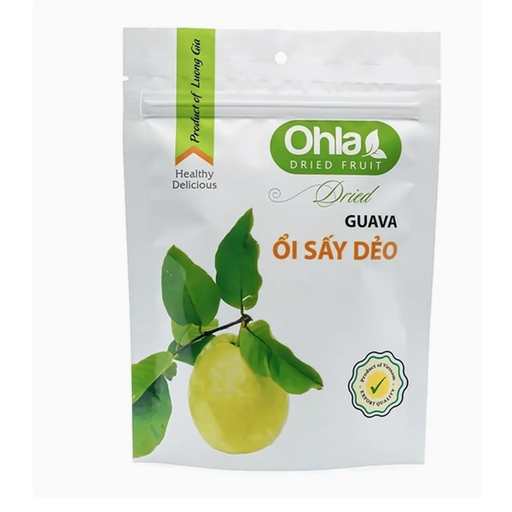 No image available
The product information lists guava with sugar and a preservative; check the ingredients if you want to take them into account when choosing a lunch snack.
Store in a cool, dry place away from direct sunlight, and seal well after opening, as instructed on the pack.
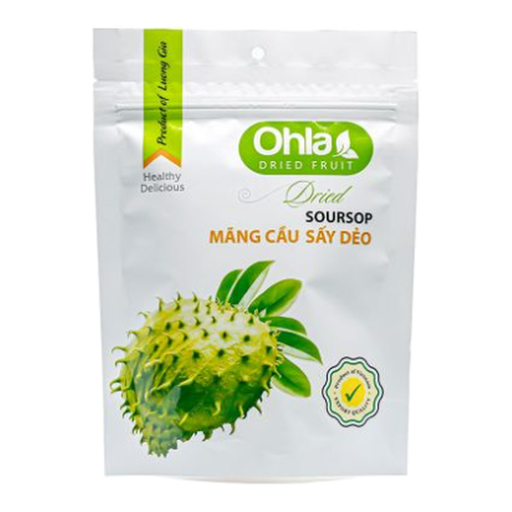 No image available
The product information lists sugar and glucose among the ingredients; check the nutritional information if you want to consider the amount of sugars with your lunch.
Store in a cool, dry place. After opening, seal well or refrigerate, as advised on the pack.
 No image available
The product information describes these pitted red jujubes as ready to eat; compare the nutritional information with the lunch portion you have in mind.
Store below 15 °C and seal well after opening, as advised on the pack.
 No image available
The product information lists sulphites and added sugar and maltose syrup; check the ingredients if you want to avoid or take these into account.
Store in a cool, dry place away from direct sunlight. According to the product information, consume immediately after opening.
No. For solid foods, the European Commission defines the ‘low fat’ claim as a maximum of 3 g of fat per 100 g. A low fat content alone doesn’t show that a product contains less fat than a reference product.
Measure out a portion rather than eating straight from the bag. The World Cancer Research Fund advises eating no more than 20 g of dried fruit a day; this is dietary advice, not a legal limit. The label portions for AH and Jumbo are 50 g and 30 g respectively, and serve a different purpose.
It depends on the variety. Albert Heijn says its soaked apricots should be refrigerated after opening at a maximum of 7 °C. The PLUS apricots and Jumbo raisins reviewed should be stored in a cool, dry, dark place; always follow the instructions on the current packaging.
No. For the apricots reviewed, PLUS lists 0 g of added sugars and 53.4 g of total sugars per 100 g. Check both the ingredients list and the nutritional information on the label.
Check the current ingredients and allergen information before buying. The AH, PLUS and Jumbo varieties reviewed list sulphites; Jumbo also notes the possible presence of traces of nuts, peanuts, sesame and soya. The Netherlands Food and Consumer Product Safety Authority explains the allergen information shown on labels.
Compare the same quantity, such as the values per 100 g, then consider the portion you actually eat. A serving size on the label isn’t automatically a recommendation for how much you should eat each day.