Choose dried fruit by looking at the fat content per 100 g and the portion you plan to eat. A low absolute fat content does not prove that a product has a reduced fat content compared with similar products. Jumbo and PLUS list 0.5 g of fat per 100 g for their dried apricots; AH lists 0.6 g for its rehydrated apricots. These figures do not automatically tell you how much energy your portion contains. If you’re taking snacks to the cinema, check the venue’s own rules too.
Who is this guide for?
You want a lower-fat snack
You’re looking for a fruit snack with a verifiably low total fat content. For solid foods, the European Commission sets a limit of no more than 3 g of fat per 100 g for the ‘low fat’ claim. This is different from demonstrating a reduced fat content compared with similar products.
You want to keep your film snack to a set portion
You don’t want to accidentally eat your way through a large pack. Measuring out a portion in advance or choosing an individual box makes it easier to keep track. The Voedingscentrum advises eating no more than a handful of dried fruit without added sugar because it contains sugars.
You’re looking for a practical film snack
You’re checking the packaging and storage instructions, and distinguishing between watching a film at home and going to the cinema. Pathé Business rules for school visits do not allow you to bring your own food and drink. Check the rules for the venue you’re visiting.
What should you look for when choosing?
First, decide what you mean by ‘less fat’: a low amount of fat per 100 g is not the same as a substantiated comparison with a reference product.
| What to consider |
What to look for |
Who is this important for? |
| Fat content and claims |
Compare total fat per 100 g and distinguish an absolute figure from a comparative claim. |
If I’m watching my fat intake, I want to be able to compare the nutritional values per 100 g. This matters to around 29% of consumers who make total fat their main buying criterion. |
| Energy and portion size |
Compare kcal per 100 g and per portion, and check the sugars present too. |
I want to know how much energy and sugar my chosen portion contains, not just what’s in 100 g. This matters to around 29% of consumers who prioritise energy and portion size. |
| Packaging and use |
Check the portion packaging, storage instructions and cinema rules. |
I want packaging that suits where I’ll be watching the film and can be stored according to the instructions. Around 18% of consumers prioritise practicality while watching a film. |
| Ingredients |
Read the ingredients and allergen warnings on the pack you buy. |
I want to check that the ingredients suit my personal circumstances, for example if I have a known sensitivity. This matters to around 12% of consumers who prioritise ingredients and sensitivities. |
| Pack size |
Compare the net weight with the amount you expect to use. |
I want to choose an amount that suits how I’ll use it, so I don’t have too much left over. Around 12% of consumers prioritise making good use of the pack. |
Common buying mistakes
-
Confusing low fat with low calorie
A low fat content doesn’t tell you how much energy a portion provides. Albert Heijn lists 1.9 g of fat and 333 kcal per 100 g for Hamsterchef Raisins and Apricot Pieces.
Check the energy per 100 g as well as total fat, and decide in advance how much you want to eat.
-
Confusing no added sugars with no sugars
PLUS lists 0 g of added sugars for its dried apricots, but also 53.4 g of sugars present per 100 g.
Compare the sugar values and bear in mind how much you’ll actually eat.
-
Storing every type of dried fruit in the same way
Storage instructions can vary between products. Albert Heijn says its rehydrated dried apricots should be kept refrigerated at no more than 7 °C after opening.
Check the instructions on the pack for the specific variety and follow them once it’s opened.
-
Ignoring the cinema’s own rules
Pathé Business information for school visits says that visitors are not allowed to consume food and drink they have brought themselves. This rule applies to that type of visit; it is not a general Dutch legal ban.
Check the rules for your cinema and visit before taking snacks with you.
Brands to compare
Albert Heijn
The products listed include rehydrated apricots and individually packaged raisins with pieces of apricot.
- Albert Heijn lists 0.6 g of fat and 182 kcal per 100 g for its rehydrated apricots. The Hamsterchef pack contains ten 14 g boxes.
- The Hamsterchef variety lists 1.9 g of fat and 333 kcal per 100 g. The products mentioned contain sulphites; the rehydrated apricots should be kept refrigerated at no more than 7 °C after opening.
Jumbo
Dried Apricots without Stones 250 g is an option to compare if the stated total fat content is your main consideration.
- Jumbo lists 0.5 g of fat and 237 kcal per 100 g; the label gives 47 kcal for a 20 g portion.
- The product lists sulphites and may contain nuts, peanuts and sesame. Check the current label if the ingredients are important to you.
PLUS
Dried apricots in a 375 g stand-up pouch suit anyone who wants to measure out their own portion.
- PLUS lists 0.5 g of fat per 100 g.
- The nutritional information also lists 53.4 g of sugars per 100 g, so 0 g of added sugars does not mean that the product contains no sugars. The product contains sulphites, and the stand-up pouch does not provide individual snack portions.
Lidl
Lidl offers dried fruit, including apricots, in its Alesto range.
- The range overview helps you identify the product line.
- Check the fat content and other nutritional information for the specific variety you’re considering. The range overview alone does not substantiate a nutritional claim.
Aldi
The option listed is Trader Joe’s Sun-Dried Apricots 250 g.
- ALDI describes these dried apricots as soft.
- This is a retailer’s description, not a nutritional comparison. To compare fat and energy, check the nutritional information on the pack.
Dirk
The option listed is 1 de Beste Apricots in a 375 g pack.
- Dirk describes the apricots as soft and says they’re suitable as a snack.
- That description does not substantiate a low-fat composition or a comparative nutritional claim. Compare the nutritional information for the variety you buy.
Joybuy products
This selection includes dried jujubes, soursop, hawthorn flakes and plums. Compare the nutritional values, ingredients and portion packaging listed for each product. A low fat content alone does not prove that a product has a reduced fat content compared with similar products.
 No image available
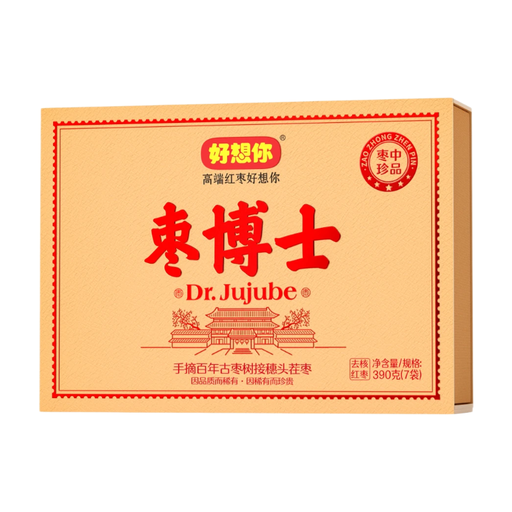
Haoxiangni Dr.Jujube (Premium Gold-Grade Pitted), 390 g
An option if you’re looking for pitted jujubes that, according to the product description, are ready to eat.
The product description lists 0 g of fat, 327 kcal and 50.0 g of sugars per 100 g. Consume immediately after opening.
View at Joybuy
 No image available
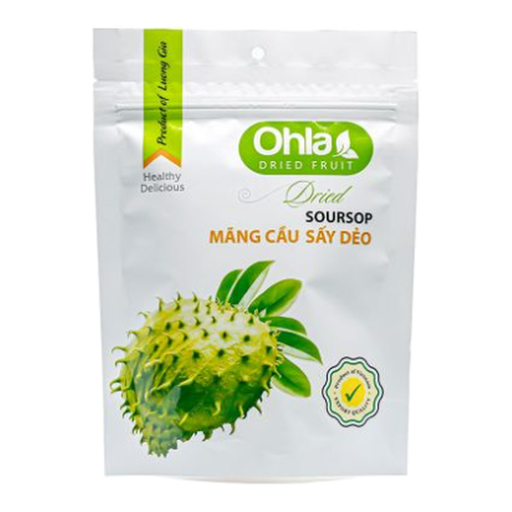
OHLA Dried Soursop 180 g
A dried soursop option to compare if you’d like something other than apricots.
The product description lists 2.21 g of fat and 348 kcal per 100 g. The ingredients list includes white sugar, glucose and sodium metabisulphite. Seal the pack tightly after opening.
View at Joybuy
 No image available
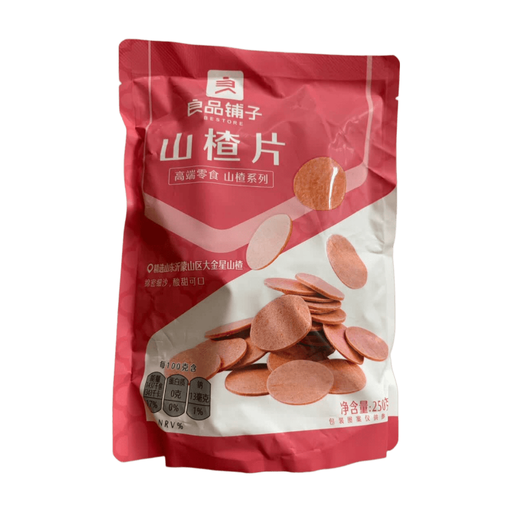
Bestore Hawthorn Flakes 250 g (Contains 19–21 Small Bags)
An option to consider if you want small, individually packaged portions.
According to the product description, the pack contains 19–21 small bags. It lists 0.3 g of fat, 343 kcal and 65 g of sugars per 100 g. The description lists colour E129 and warns that it may affect activity and attention in children.
View at Joybuy
 No image available
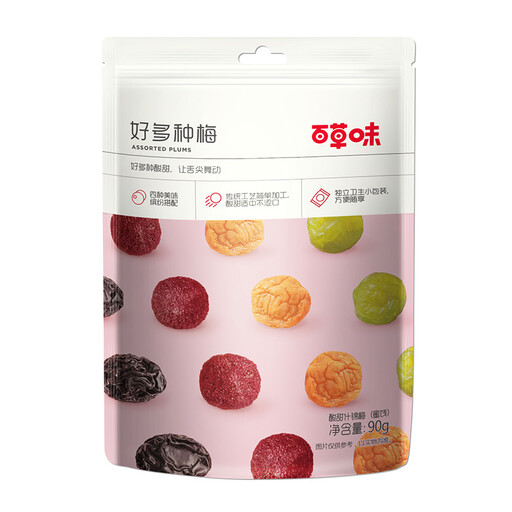
Be&Cheery Various Dried Plum 90 g
A bag of dried plums to compare if you’re looking for a different type of fruit from apricots.
The product description lists 0.2 g of fat and 68 kcal per 100 g. The ingredients list includes plums, sugar and salt.
View at Joybuy
 No image available
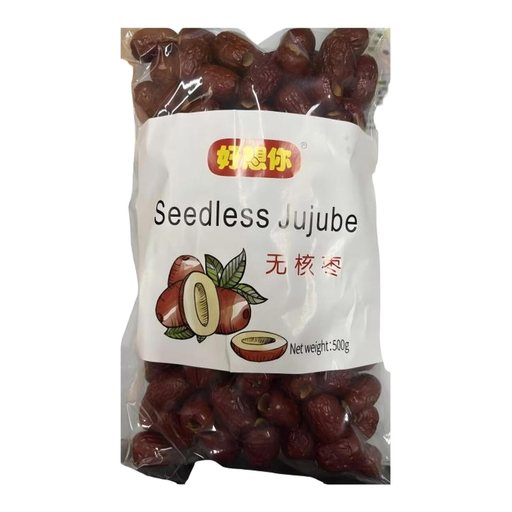
Haoxiangni Pitted Jujubes 500 g
An option if you’re looking for pitted red jujubes that, according to the product description, are ready to eat.
The product description lists 0.5 g of fat, 300 kcal and 60 g of sugars per 100 g. The pack can be sealed tightly after opening.
View at Joybuy
Frequently asked questions
When can a solid fruit snack be called ‘low fat’?
For solid foods, the European Commission sets a maximum of 3 g of fat per 100 g for the ‘low fat’ claim. This condition does not mean that a product is low in calories.
Does a low fat content prove that a product has a reduced fat content?
No. An absolute fat content is not a comparison with a reference product. The Nederlands Bakkerij Centrum says that a claim about a reduced content requires a difference of at least 30% compared with similar products. This industry guidance does not, by itself, confirm that a specific product meets the requirements for the claim.
How much dried fruit should I take for a film night?
The Voedingscentrum advises eating no more than a handful of dried fruit without added sugar because it contains sugars. The portion size on a label is not automatically a personal recommendation, so decide in advance how much you want to eat.
Can every opened pack of dried fruit be stored outside the fridge?
No. Follow the instructions for the specific variety. Albert Heijn says its rehydrated dried apricots should be kept refrigerated at no more than 7 °C after opening; Jumbo says its dried apricots should be stored in a cool, dry, dark place.
What should I look out for with sulphites or other allergens?
Check the ingredients and allergen information on the pack you buy. The Netherlands Food and Consumer Product Safety Authority says allergen information must appear on the label of prepacked products. Jumbo also states that its apricots may contain nuts, peanuts and sesame.
Can I take supermarket fruit into the cinema?
It depends on the cinema and the type of visit. The Pathé Business page for school visits does not allow visitors to bring their own food and drink. This is a house rule for that context, not a general Dutch legal ban. Check the rules for your venue.


