For a small, low-fat snack, you can compare the nutrition information for the exact product: the raisins and apricots from Albert Heijn, Jumbo and PLUS that we looked at list 0.5 g of fat per 100 g. That doesn’t automatically make them reduced-fat products: the European Commission sets a maximum of 3 g of fat per 100 g for a ‘low fat’ claim on solid foods, while a reduction in fat must be assessed separately. If by a lighter snack you mean one with less energy, compare equal portions and consider the amount and fibre content, especially around training.
Who is this choice relevant to?
Snackers looking for low-fat options
You’re looking for dried fruit with a low absolute fat content and want to know what a claim means. Compare the nutrition information for the exact product: the European Commission defines a ‘low fat’ claim for solid foods as no more than 3 g of fat per 100 g.
Sporty types keeping an eye on portion sizes
If by a lighter snack you mean one with less energy, check the weighed amount and the energy per portion. A low fat value alone doesn’t tell you how much energy your snack contains.
People who eat just before training
You may want something small to eat rather than a large meal just before exercising. The Netherlands Nutrition Centre advises against having a large portion high in fat, protein or fibre at that time; also take your own tolerance into account.
What should you look for when choosing?
Plain raisins
A good fit if: you want to take raisins with you and weigh out a small portion yourself.
Bear in mind: the Albert Heijn and Jumbo products we looked at list 344 and 326 kcal per 100 g respectively, despite both containing 0.5 g of fat per 100 g.
Plain dried apricots
A good fit if: you choose this type of fruit and compare the energy content by weight.
Bear in mind: the Jumbo and PLUS apricots we looked at list 237 and 254 kcal per 100 g, both with 0.5 g of fat; both products contain sulphites.
A reduced-fat claim
A good fit if: you’re specifically looking for a product with a substantiated reduction in fat.
Bear in mind: a low absolute fat content isn’t the same as having less fat than a comparable product; the examples we looked at don’t prove a reduction in fat.
| What to consider |
What to look for |
Who it matters to |
| Low fat or reduced fat |
Compare the fat per 100 g and assess the exact claim separately. The European Commission sets a maximum of 3 g of fat per 100 g for a ‘low fat’ claim on solid foods. |
If I want to know whether a claim really applies to my choice, I look beyond the number of grams of fat alone. Around 33% of consumers prioritise fat content or the meaning of a claim. |
| Energy per portion |
Compare kcal per 100 g, then calculate the amount for the same chosen snack weight. |
If I weigh my snack, I want to know how much energy that portion contains, not just how much fat. Around 27% of consumers prioritise energy per snack. |
| Eating before training |
Check the fibre per portion and consider the amount and timing; the Netherlands Nutrition Centre advises against having a large portion high in fibre just before exercise. |
If I eat something just before training, I consider the amount and what I can tolerate. Around 20% of consumers prioritise comfort around training time. |
| Taking it with you and storage |
Check the pack weight, closure and storage instructions for the exact product. |
If I prepare snacks for several occasions, I want to be able to portion and carry them easily. Around 13% of consumers prioritise convenience when taking snacks with them. |
| Ingredients and sensitivities |
Check whether the product contains sulphites/E220 and look for any warnings about nuts, peanuts or sesame. |
If certain ingredients matter to me, I check the label on the exact pack. Around 7% of consumers prioritise ingredients or a relevant sensitivity. |
Common pitfalls
-
Assuming low fat means low in calories
Each of the Albert Heijn, Jumbo and PLUS products we looked at contains 0.5 g of fat per 100 g, but lists between 237 and 344 kcal per 100 g. The nutrition figures come from the relevant product information.
Compare the energy content on the same weight basis and weigh your snack; don’t choose based on the fat value alone.
-
Comparing different on-pack portion sizes directly
Values for a 50 g portion and a 20 g portion don’t describe the same amount.
Use the per-100 g figures to compare products, then calculate for all options using the same snack weight.
-
Assuming plain or no added sugar means no other relevant additives
The PLUS apricots we looked at list 0 g of added sugars, but contain sulphites. The Jumbo apricots we looked at also carry a warning that the product may contain nuts, peanuts and sesame.
Check the ingredients and allergen information separately if they’re relevant to you. The NVWA notes that prepacked products must show allergen information on the label.
Relevant brands to consider
Albert Heijn
The range we looked at includes AH Raisins 250 g, a specific example for checking the nutrition information of a particular type of raisin.
- The product information lists 0.5 g of fat and 344 kcal per 100 g. Albert Heijn describes these raisins as a low-fat snack.
- The 50 g portion shown is a reference from the label, not a personal snack recommendation. Compare the energy content with the amount you want to take with you.
Jumbo
The products we looked at are plain sultanas and pitted dried apricots; nutrition values apply to each specific product.
- The apricots list 237 kcal and 0.5 g of fat per 100 g; the sultanas we looked at also list 0.5 g of fat per 100 g.
- The apricots contain sulphites and, according to the product information, may contain nuts, peanuts and sesame. Check the label if that’s relevant to you.
PLUS
The PLUS Dried Apricots we looked at come in a 375 g stand-up pouch.
- The product information lists 254 kcal, 0.5 g of fat, 7.3 g of fibre and 0 g of added sugars per 100 g.
- This product contains sulphites. The stand-up pouch format doesn’t prove that the pack is resealable.
Lidl
The Alesto range includes dried mango strips.
- Lidl describes the mango strips we looked at as having no added sugars, and notes that they contain naturally occurring sugars.
- That brand description alone says nothing about the fat content or any reduction in fat in a particular product.
Aldi
An official product listing covers a 500 g pack of raisins under the Trader Joe’s name.
- The product listing confirms the type of product and the pack weight.
- To compare fat or energy, check the nutrition information on the exact pack.
Dirk
Dirk lists raisins in its baking products category.
- The product page confirms that the product is raisins.
- The product category alone doesn’t support a nutrition comparison or show that it’s suitable as a snack for your gym bag.
Dried fruit snacks at Joybuy
These Joybuy products are dried fruit and fruit snacks that, according to the product information, are ready to eat. Compare the nutrition information, ingredients and storage instructions for each product.
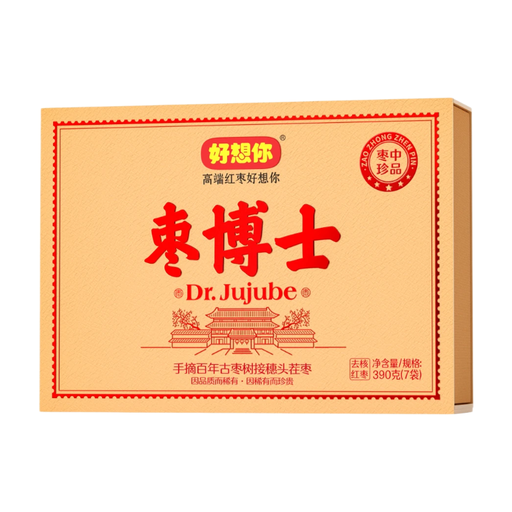 Image unavailable
Haoxiangni Dr.Jujube Premium Gold-Grade Pitted 390 g
According to the product information, the pitted jujubes are ready to eat, making them a handy snack for on the go.
Per 100 g: 327 kcal and 0 g of fat. The instructions say to consume the product immediately once the pack has been opened.
View at Joybuy
 Image unavailable
Zohra Medjool Dates (M) 908 g
The product information describes these pitted Medjool dates as ready to eat.
Per 100 g: 264 kcal and 0.5 g of fat.
View at Joybuy
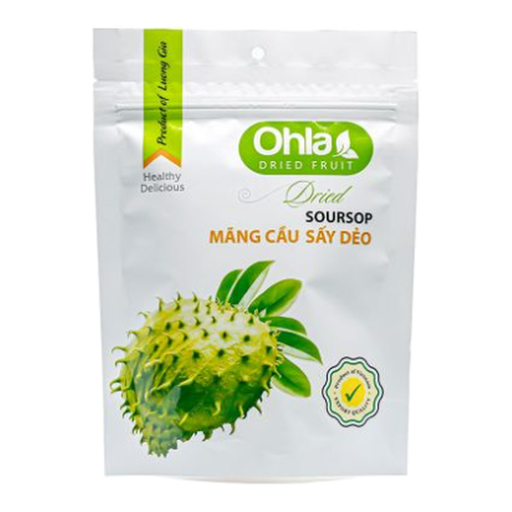 Image unavailable
OHLA Dried Soursop 180 g
The product information describes this dried soursop as a snack; check the ingredients if you want to take the additives into account.
Per 100 g: 348 kcal, 10.5 g of fibre and 2.21 g of fat. The ingredients list includes white sugar, glucose and sodium metabisulphite. After opening, the pack should be sealed tightly or kept refrigerated.
View at Joybuy
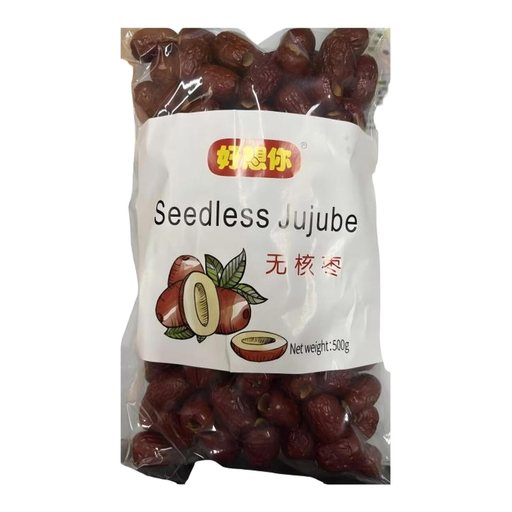 Image unavailable
Haoxiangni Pitted Jujubes 500 g
According to the product information, these pitted red jujubes are ready to eat as a snack.
Per 100 g: 300 kcal and 0.5 g of fat; the ingredients are listed as 100% red dates. After opening, the pack should be sealed tightly and stored in a cool, dry place, preferably below 15 °C.
View at Joybuy
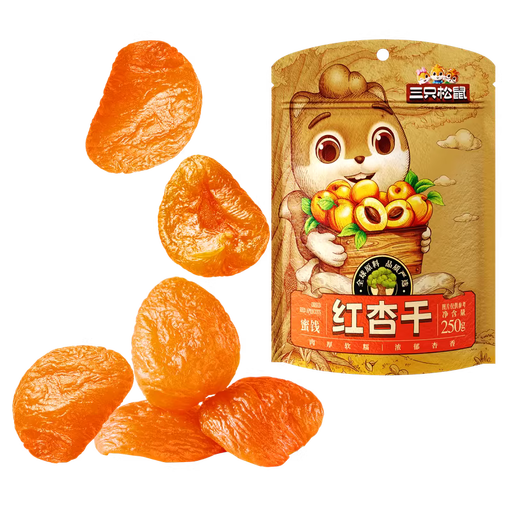 Image unavailable
Three Squirrels Dried Red Apricots 250 g
According to the product information, these dried apricots are ready to eat straight from the pack.
Per 100 g: 311 kcal and 0 g of fat. The ingredients list includes apricot, sugar and malt syrup; the product information also mentions sulphites.
View at Joybuy
Frequently asked questions
Does low fat mean the same as reduced fat?
No. For solid foods, the European Commission sets a maximum of 3 g of fat per 100 g for a ‘low fat’ claim. A low absolute fat content alone doesn’t prove that a product contains less fat than a comparable one.
Can I treat the portion size on the pack as a personal snack recommendation?
Not necessarily. Albert Heijn lists a 50 g portion for the raisins we looked at; Jumbo also gives nutrition values per 20 g for its apricots. Choose your own amount, then compare products using the same weight.
How should I store dried fruit for my gym bag?
Follow the instructions on the pack for the exact product. The Albert Heijn, Jumbo and PLUS products we looked at say to store in a cool, dry, dark place. Divide your supply into measured portions and take them with you in a well-sealed container.
What should I consider if I eat something just before exercising?
The Netherlands Nutrition Centre advises against having a large portion high in fat, protein or fibre just before exercise. So look beyond the fat value and consider the amount and what you can tolerate.
Do sulphites have to be listed on Dutch labels?
The NVWA lists sulphites among the allergens that consumers must be informed about under European rules; allergen information must appear on the label of prepacked products. The Jumbo and PLUS apricots we looked at list sulphites. If you have a relevant sensitivity, always check the pack of the product you buy.


