What should you look for when choosing?
The Netherlands Nutrition Centre’s calorie checker lists 40 kcal per 20 g of dried prunes and 65 kcal per 20 g of raisins. This is a general comparison for the same portion weight, not the nutritional value of every supermarket product, so check the label on the pack you’re buying.
| What to consider |
What should you check? |
Who is this for? |
| Energy in your portion |
Check the kcal per 100 g and weigh your portion. Calculate the calories in your portion as kcal per 100 g × portion weight in grams ÷ 100. |
If you weigh out a late-night snack, you’ll want to assess the energy content of that exact portion. Around 42% of consumers give calories and portion size the highest priority. |
| Added sugar |
Read the ingredients list and check the energy value as well. |
You want to avoid added sugar, so you check the ingredients without losing sight of the energy content. Around 25% of consumers prioritise ingredients and added sugar. |
| Type and form of fruit |
Check which type of fruit you’re buying and whether the product contains stones or pits. |
If taste and convenience influence your choice of fruit, the type and form matter. Around 17% of consumers give this preference the highest priority. |
| Packaging and storage |
Compare the pack size with how much you’ll use and follow the storage advice on the pack. |
You want a pack that suits use over several snack occasions and fits with your shopping plans. Around 16% of consumers prioritise packaging, storage and purchase costs. |
Brands and product ranges compared
These product listings can help you compare types of fruit, varieties and pack sizes. A brand name or organic label is not, in itself, proof of a calorie advantage.
Albert Heijn
Albert Heijn lists AH Organic Dried Pitted Prunes as a pitted prune option.
- The product listing specifies pitted prunes.
- Albert Heijn advises checking the pack; the organic label doesn’t mean the product contains fewer calories.
Jumbo
Jumbo lists dried pitted apricots in a 250 g pack.
- The type of fruit, pitted variety and pack size are specified.
- Check the label on the pack you choose for its nutritional value.
Lidl
Lidl’s Alesto range includes dried mango strips.
- The range offers an alternative to prunes and apricots.
- Lidl describes the strips as juicy; this is a product description, not a calorie comparison or independent taste test.
ALDI
ALDI lists TRADER JOE'S Sun-Dried Prunes in a 250 g pack.
- The product listing specifies pitted prunes.
- The description of the prunes as soft comes from ALDI and doesn’t compare their calorie content with other varieties.
PLUS
PLUS lists dried prunes in 375 g bags and offers delivery or collection as ways to shop.
- The product listing specifies the pack size and shopping options.
- PLUS warns that ingredients and nutritional values can change, so check the pack.
Dirk
Dirk lists 1 de Beste apricots in a 375 g pack; 1 de Beste is Dirk’s own-brand range.
- The product listing specifies the type of fruit and pack size.
- Dirk describes the apricots as soft and doesn’t mention a delivery service.
Joybuy products
These Joybuy product picks are related to dried fruit as a snack, including prunes, dates and jujubes.
 No image available
Zohra Medjool dates (M), 908 g
The product name specifies Medjool dates. Weigh your portion and check the nutritional information on the pack when calculating the energy content of your snack.
Pack size: 908 g.
View at Joybuy
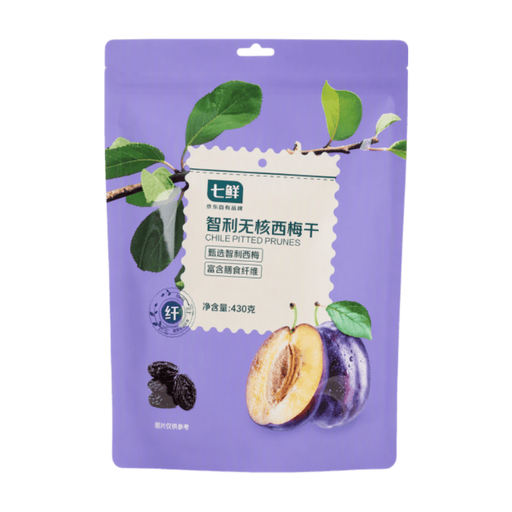 No image available
7FRESH pitted prunes, 430 g
The product name specifies pitted prunes. Use the nutritional information on the pack and a weighed portion to compare calories.
Variety: pitted. Pack size: 430 g.
View at Joybuy
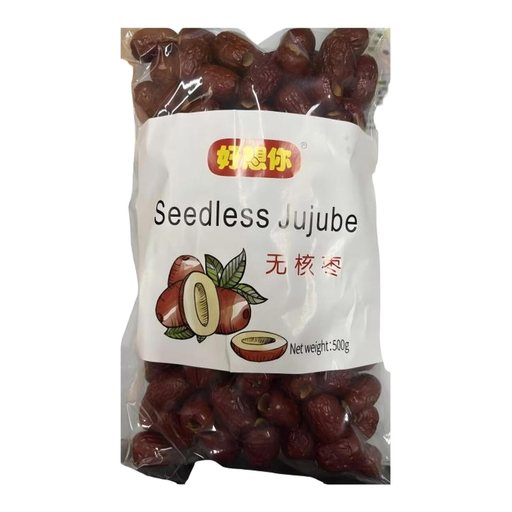 No image available
Haoxiangni pitted jujubes, 500 g
The product name specifies pitted jujubes. Weigh your portion and check the nutritional information on the pack.
Variety: pitted. Pack size: 500 g.
View at Joybuy
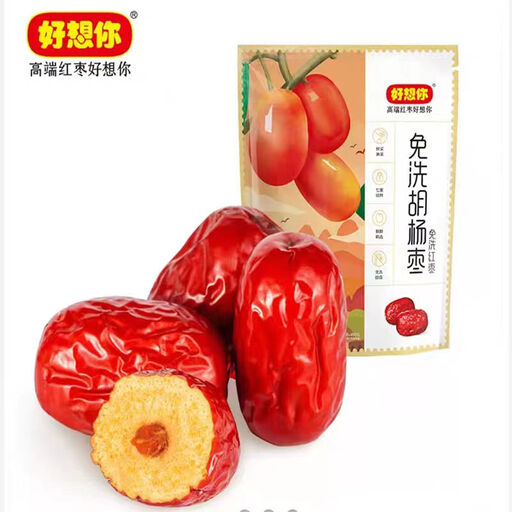 No image available
Haoxiangni No-Wash red jujubes with stones (Grade 2), 450 g
The product name specifies that this variety contains stones; bear this in mind when choosing a snack.
Variety: with stones, Grade 2. Pack size: 450 g.
View at Joybuy
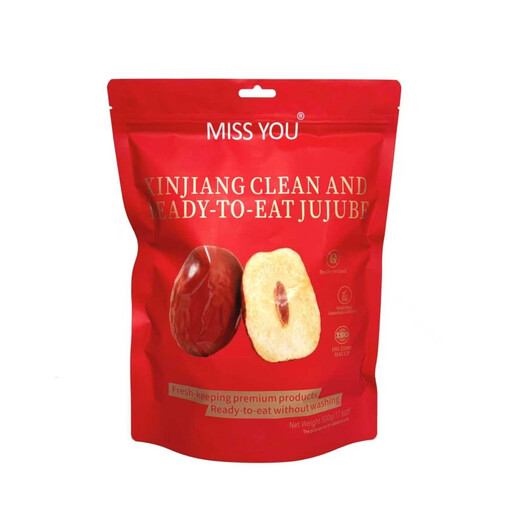 No image available
Haoxiangni Grade A Wash-Free jujubes, 500 g
The product name specifies jujubes and the variety as Grade A Wash-Free. Check the nutritional information on the pack and weigh your portion.
Pack size: 500 g.
View at Joybuy
Frequently asked questions
How much dried fruit can you weigh out for a late-night snack?
The Netherlands Nutrition Centre recommends a maximum of 20 g of dried fruit per day. This is a recommendation for the whole day, not an extra amount for the evening. Take into account what you’ve already eaten that day.
How do you calculate the calories when the label gives values per 100 g?
Multiply the kcal per 100 g by the weight of your portion, then divide by 100. Use the nutritional value of the product as sold; a general table isn’t a substitute for the label on the variety you’ve chosen.
Does no added sugar mean you don’t need to watch the calories?
No. Check the ingredients and the total energy value separately. The Netherlands Nutrition Centre also recommends limiting how much dried fruit you eat each day.
How should you store dried apricots after opening?
The Storage Guide recommends keeping opened dried apricots in a kitchen cupboard for 6–9 months. Follow any different storage advice on the pack, and don’t automatically apply this period to other types of fruit or preparations.
What allergen information can you ask for when buying unpackaged dried fruit?
According to the Netherlands Food and Consumer Product Safety Authority, sellers must tell you about any allergens in unpackaged dried fruit before you buy or order it. Ask for information about the specific product; the allergens listed include sulphur dioxide and sulphites.


