
Evening snackers keeping an eye on fat
You want to choose a sweet snack based on its fat content and tell ordinary dried fruit apart from fruit crisps made with oil.


The fat values listed by Albert Heijn, Jumbo and PLUS for the apricots discussed are below the European threshold for the ‘low fat’ claim. However, this does not prove that their fat content has been reduced compared with a similar product. So, as well as checking fat per 100 g, look at the ingredients, energy and your portion size; the Voedingscentrum recommends a maximum of 20 g of dried fruit a day.
You want to choose a sweet snack based on its fat content and tell ordinary dried fruit apart from fruit crisps made with oil.
You want to know how much energy and sugar you’ll get from the portion you’ve weighed out, not just how much fat the product contains.
For example, you check for added sugar, sulphites or potential allergens when these ingredients are personally relevant to you.
A good fit if: you specifically want to compare rehydrated apricots and can follow the storage instructions.
Bear in mind: Albert Heijn lists sulphites and says to refrigerate this product after opening at a maximum of 7°C.
A good fit if: you want to compare ordinary dried apricots by their label values and ingredients.
Bear in mind: Jumbo and PLUS both list 0.5 g of fat per 100 g; Jumbo also lists sulphites and possible traces of nuts, peanuts and sesame.
A good fit if: you’re considering banana chips and a low fat content isn’t your deciding factor.
Bear in mind: Albert Heijn lists coconut oil, sugar and 30 g of fat per 100 g for its banana chips.
First compare the nutritional values per 100 g, then consider how much you actually want to eat. According to the European Commission, solid foods must contain no more than 3 g of fat per 100 g to carry the ‘low fat’ claim. This does not prove that the fat content has been reduced compared with another product.
| What to consider | What to check when buying | Who should pay particular attention? |
|---|---|---|
| Fat content and claims | Check the fat per 100 g; assess any claim separately for the exact product. | If you mainly want a low-fat option and don’t want to mistake an absolute value for a reduction compared with another product. Around 29% of consumers prioritise fat content. |
| Energy and portion size | Compare energy and sugars per 100 g, then weigh out your portion. | If you want to limit the energy and sugar in your evening snack and include portions you’ve already eaten. Around 36% of consumers give portion size and energy the highest priority. |
| Sugars and allergens | Read the ingredients and allergen information; ‘no added sugar’ does not mean ‘sugar-free’. | If you want to avoid added sugar or need to account for an allergen that’s relevant to you. Around 21% of consumers prioritise ingredient requirements. |
| Packaging and storage | Check the net weight and the instructions for storing the product after opening. | If you’re looking for packaging that suits the way you store and use your snack. Around 14% of consumers place the greatest importance on practical use. |
The ingredients and nutritional values of fruit crisps can differ from those of dried fruit. Albert Heijn lists coconut oil and 30 g of fat per 100 g for its banana chips.
Check the ingredients and nutritional values for the exact variety; don’t base your choice on the fruit name alone.
Albert Heijn gives a 50 g portion size for its rehydrated apricots. The Voedingscentrum recommends a maximum of 20 g of dried fruit a day; this is general dietary advice, not a specific guideline for the evening.
Weigh out your portion and count what you’ve already eaten that day. Don’t automatically treat the portion size on the pack as a recommendation.
PLUS lists 0 g of added sugars and 53.4 g of total sugars per 100 g for its dried apricots.
Check both the ingredients and total sugars per 100 g, and bear your portion size in mind.
Albert Heijn says to refrigerate its rehydrated apricots after opening at a maximum of 7°C.
Check the pack instructions before choosing a product you plan to eat gradually.
Albert Heijn’s rehydrated dried apricots are a specific variety to assess by checking the ingredients, nutritional values and storage instructions.
Jumbo Dried Apricots, Pitted 250 g has nutritional information per 100 g and per 20 g.
Alesto is Lidl’s product range, which includes dried mango strips.
ALDI lists Trader Joe’s Sun-Dried Apricots in a 250 g pack.
PLUS Dried Apricots is available in a 375 g stand-up pouch with nutritional information for the Netherlands.
Dirk lists 1 de Beste Apricots in a 375 g pack; 1 de Beste is the own-brand name on the pack.
This selection includes dried fruit sold as a snack. Compare the nutritional values per 100 g and the ingredients; a low stated fat content does not prove that fat has been reduced compared with a similar product.
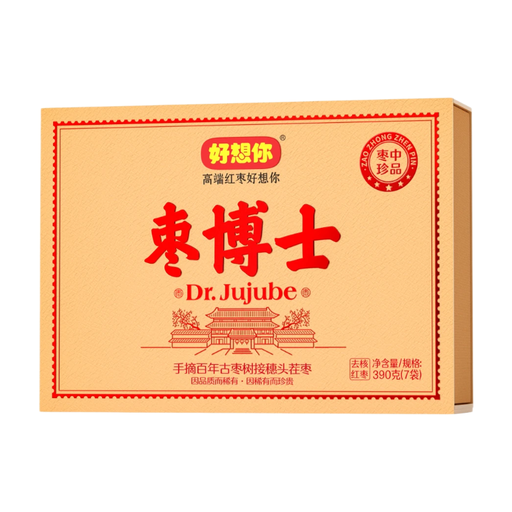 Image unavailable
The product information describes these jujubes as a snack that can be eaten straight from the pack.
According to the product information, jujube is the only listed ingredient and the product contains 0 g of fat and 327 kcal per 100 g. The stated fat content is below the European Commission’s ‘low fat’ threshold of no more than 3 g per 100 g; this does not prove a claim that fat has been reduced.
The product information recommends eating the jujubes immediately after opening.
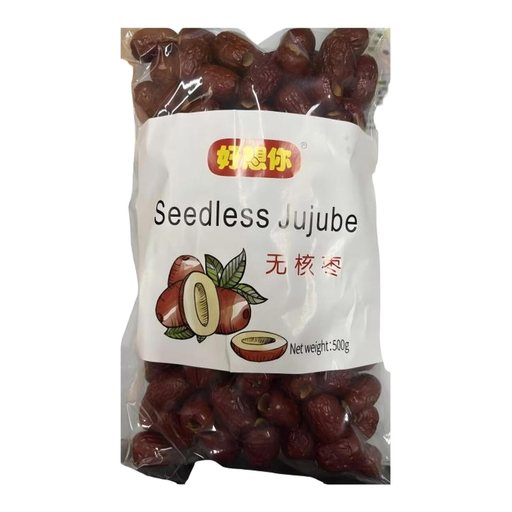 Image unavailable
According to the product information, these pitted jujubes are eaten as a snack.
The product information lists red jujubes as the only ingredient and states that they contain 0.5 g of fat and 300 kcal per 100 g. Seal the pack securely after opening.
 Image unavailable
According to the product information, the pack contains individual 14 g snack boxes.
The product information states that the raisins contain no added sugars or sulphites. Store the boxes in a cool, dry, dark place. The 12M+ label applies to this product variety; children should be supervised by an adult while eating. The product is not suitable for children with swallowing difficulties.
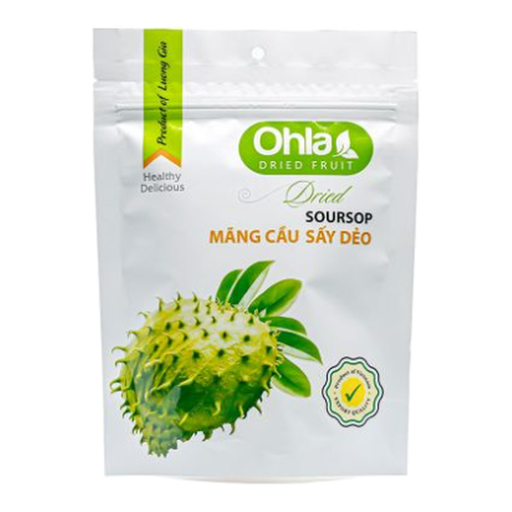 Image unavailable
The product information describes this as ready-to-eat dried fruit for a snack.
The stated fat content is 2.21 g per 100 g. The ingredients list includes white sugar, glucose and sodium metabisulphite; check the pack for the full ingredients and allergen information. Seal the pack securely after opening.
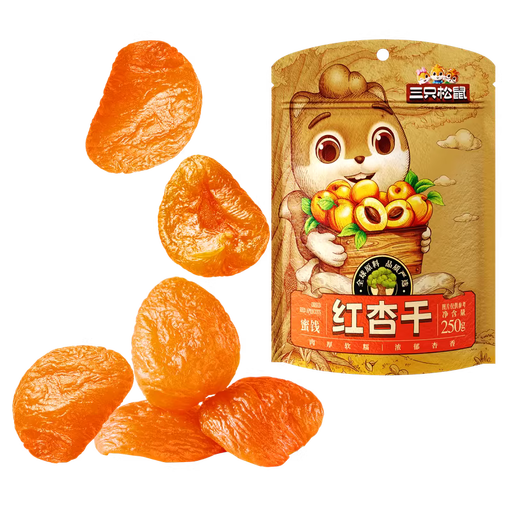 Image unavailable
The product information describes the apricots as a ready-to-eat snack and mentions a resealable 250 g pack.
The stated fat content is 0 g per 100 g. The ingredients list includes white sugar and maltose syrup, so check the total sugars on the pack too. The stated fat value does not prove a claim that fat has been reduced.
The Voedingscentrum recommends a maximum of 20 g of dried fruit a day. Count any portions you’ve already eaten that day; this is general dietary advice, not specific advice for a snack at a particular time.
According to the European Commission, solid foods must contain no more than 3 g of fat per 100 g to carry the ‘low fat’ claim. This absolute threshold does not prove that the fat content has been reduced compared with a similar product.
No. PLUS lists 0 g of added sugars and 53.4 g of total sugars per 100 g for its dried apricots. So check the total sugars and how much you eat too.
It depends on the product. Albert Heijn says to refrigerate its rehydrated apricots after opening at a maximum of 7°C; for the ordinary dried apricots discussed, Jumbo recommends storing them in a cool, dry, dark place.
No. Jumbo warns that, in rare cases, pieces or fragments of stones may be present in its pitted dried apricots.