
Evening exercisers with a protein goal
After an evening workout, you may want to know how much protein a portion of dried fruit provides and whether to add a separate source of protein.


If you want extra protein after exercise, pair dried fruit with a separate source of protein, such as quark, yoghurt or a suitable plant-based alternative. According to the Netherlands Nutrition Centre’s general food composition table, one dried apricot weighing 9 grams contains 0.4 grams of protein; this is not a product specification for every variety. If you’re mainly after a sweet evening snack, pay attention to the portion and ingredients: the Netherlands Nutrition Centre recommends eating no more than 20 grams of dried fruit a day.
After an evening workout, you may want to know how much protein a portion of dried fruit provides and whether to add a separate source of protein.
You’re looking for something fruity and sweet, but want to focus on the amount you eat and the ingredients in the variety you buy.
You want to pair dried fruit with a suitable plant-based source of protein and assess the nutritional values and ingredients of the whole snack.
Your choice mainly depends on what you want the dried fruit to bring to your evening snack: fruity flavour, a source of protein, or a combination of the two.
A good choice if: you mainly want a small, fruity snack and don’t expect the fruit to provide a substantial part of your protein intake.
Bear in mind: according to the Netherlands Nutrition Centre, one dried apricot weighing 9 grams provides 0.4 grams of protein.
A good choice if: you want extra protein and dairy fits into your diet; the fruit can then add flavour.
Bear in mind: you’re combining two products, so assess the portion and nutritional values of the whole snack. There’s no proven benefit to eating it just before bed.
A good choice if: you want a plant-based snack and a suitable source of protein to go with your fruit. The European Commission lists grains, pulses, nuts and seeds among plant-based sources of protein.
Bear in mind: the protein content depends on the product and portion you choose; check the ingredients and allergens in the combination, too.
These are the main factors to weigh up when choosing dried fruit as a late-night snack.
| What to consider | What should you check? | Who is this most relevant to? |
|---|---|---|
| Protein content | Compare the protein per portion on the packaging. According to the Netherlands Nutrition Centre, one dried apricot weighing 9 grams contains 0.4 grams of protein; this is a general reference, not a value that applies to every pack. | After an evening workout, you may want to know whether the snack genuinely contributes to your protein intake; around 36% of consumers prioritise protein content. |
| Portion and sugar | Check the ingredients for added sugar and bear in mind the Netherlands Nutrition Centre’s recommendation to eat no more than 20 grams of dried fruit a day. This is dietary advice, not a legal limit on what you can buy. | If you mainly want a small, sweet snack, you’re more likely to focus on the amount and ingredients than on extra protein; around 29% of consumers prioritise these factors. |
| Plant-based ingredients | Check the ingredients and nutritional values of the whole combination. If you have allergies, also read the allergen information on the exact pack; the NVWA requires clear allergen labelling. | If you want a plant-based snack with a separate source of protein, the ingredients of the whole snack matter; around 21% of consumers prioritise this choice. |
| Packaging and storage | Choose a pack size that suits how you’ll use it and follow the storage instructions on the pack once opened. Storage advice for dried apricots doesn’t automatically apply to soaked varieties or snacks containing dairy. | If you’re mainly looking for a practical store-cupboard option, pack size and storage are key; around 14% of consumers look at these first. |
The Netherlands Nutrition Centre’s general food composition table lists 0.4 grams of protein in one dried apricot weighing 9 grams. A portion of fruit won’t automatically provide the amount you’re looking for in a protein-focused snack.
If you have a protein goal, choose a suitable separate source of protein first and use the fruit for flavour. Assess the nutritional values of the whole snack.
ALDI describes a 250-gram pack of sun-dried apricots, while PLUS sells a 375-gram stand-up pouch of dried apricots. These are pack sizes, not snack portions; the Netherlands Nutrition Centre recommends eating no more than 20 grams of dried fruit a day.
Decide how much fruit you’ll have in advance, rather than letting the pack size determine how much you eat in one evening.
The presence of nuts doesn’t tell you how much protein your portion provides. A mix may also contain ingredients that matter if you have an allergy.
Compare the nutritional information and ingredients of the specific mix, and check the allergen information if relevant to you.
Albert Heijn lists both soaked dried apricots and a fruit and nut mix with pear and date.
Jumbo lists apricots, raisins, dates, prunes and cranberries among its dried fruit range.
Lidl presents Alesto as a range of nuts and dried fruit, including options for snacking and toppings.
ALDI describes Trader Joe’s sun-dried apricots as soft dried apricots in a 250-gram pack.
PLUS lists dried apricots in a 375-gram stand-up pouch.
Dirk has a product page for pitted apricots.
This selection includes dried fruit and fruit and nut mixes for snacking. Compare the ingredients, protein content and portion of each product to find what suits your needs.
 No image available
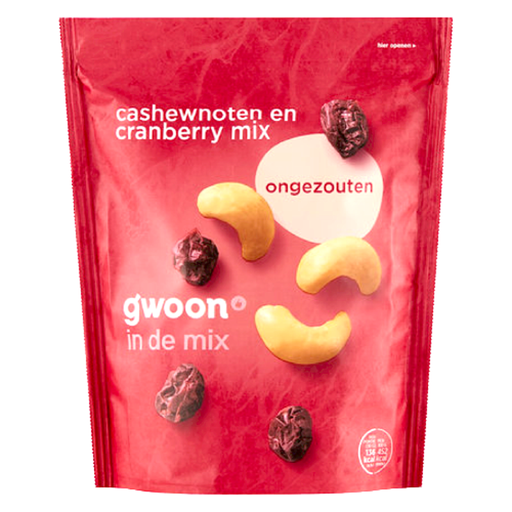
A good choice if you want to pair dried cranberries with cashew nuts.
The mix contains 50% cashew nuts and 50% sweetened dried cranberries. The nutritional information lists 10,9 g of protein per 100 g. Contains cashew nuts and may contain traces of peanuts and other nuts.
 No image available
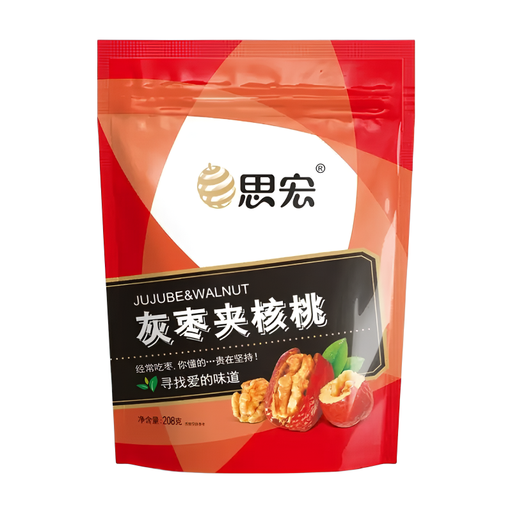
A good choice if you want to combine dates and walnuts for a snack.
The ingredients are dates and walnut kernels. The nutritional information lists 3,4 g of protein per 100 g. Contains walnuts.
 No image available
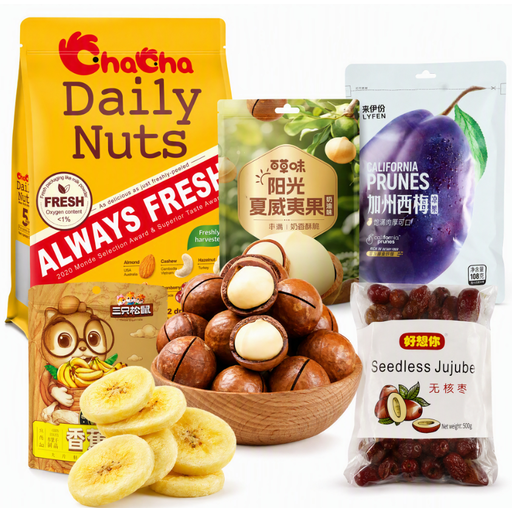
A good choice if you’re looking for a selection of individually packed dried fruit and nut snacks.
The bundle contains five individually described snacks, including dried fruit and nuts. Contains tree nuts; the prunes contain aspartame, a source of phenylalanine.
 No image available
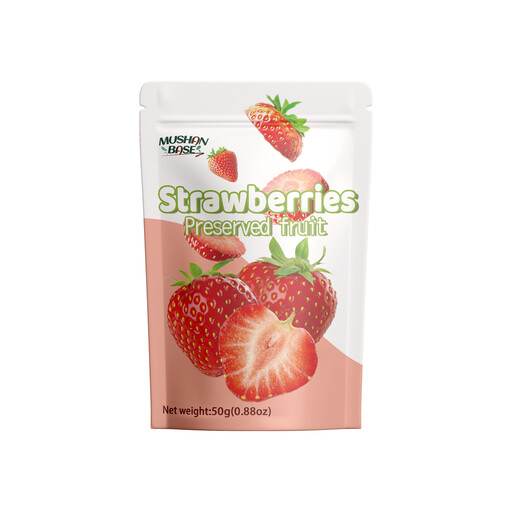
A good choice if you’re looking for dried strawberry slices as a fruity snack.
The ingredients are dried strawberries and sugar. The nutritional information lists 1,2 g of protein per 100 g. Reseal the pack tightly after opening.
 No image available
A good choice if you want to enjoy dried guava as a snack or use it as an ingredient.
The description lists 95% guava, sugar and a preservative. The nutritional information lists 1,27 g of protein per 100 g.
No. According to the Netherlands Nutrition Centre’s general food composition table, one dried apricot weighing 9 grams contains 0.4 grams of protein. For a specific variety, check the nutritional information and portion size on the pack.
Eating dried fruit just before bed has no proven special benefit. If you want to increase your protein intake, the Netherlands Nutrition Centre suggests everyday foods such as quark, yoghurt, tofu, nuts and beans; choose an option that suits your diet.
The Netherlands Nutrition Centre recommends eating no more than 20 grams of dried fruit a day. This is general dietary advice, not a legal limit on what you can buy; remember to include any fruit you’ve already eaten that day.
The Netherlands Nutrition Centre’s storage guide says opened dried apricots can be kept in a kitchen cupboard for 6–9 months. Follow the instructions on the pack and don’t automatically apply this time frame to soaked apricots or a snack already mixed with dairy.
Check the allergen information on the exact pack and on any additional ingredients you add. The NVWA requires clear allergen information on labels; nuts, soya and milk may be relevant, depending on the products you choose.