Choose dried fruit according to the specific substance you need to avoid: check the ingredients, allergen information and any warnings on the exact pack, rather than relying on the product category or supermarket. If you avoid sulphites, also check for sulphites and E220–E228. Only then consider sugar, portion size and how to store the fruit while you’re out.
Who is this choice relevant to?
Walkers with a food allergy
You’re looking for fruit that suits the specific allergen you need to avoid. Ingredients and information about possible cross-contamination matter more than flavour or convenience. The Netherlands Nutrition Centre stresses the importance of allergen information on the label.
Walkers avoiding sulphites
You want to take dried fruit with you, but need to check sulphites separately. So pay attention to the ingredients and preservative information. The Food Allergy Foundation describes reactions to sulphites as intolerance reactions.
Walkers who want to put together their own portions
Once you’ve checked whether the product suits your dietary needs, you can also consider added sugar, portion size and how it’s packaged for taking on the go. Storage instructions vary by product; general storage advice is no substitute for them.
What should you look for when choosing?
First, check whether the exact product is suitable for your needs in relation to the substance you avoid. Then compare the sugar and portion size, and consider whether the fruit is practical to take with you and store.
| What to consider |
What should you check? |
Who is this important for? |
| Allergens and cross-contamination |
Read the full ingredients list, allergen information and precautionary warnings on the exact pack. The NVWA explains allergen labelling. |
If you need to avoid a specific allergen, you’ll want to know what the product contains and what warnings are included. Around 38% of consumers in this choice context give allergen avoidance top priority. |
| Sulphites |
Check for sulphites and E220–E228. The Food Allergy Foundation describes sulphites as a preservative used in food. |
If you need to avoid sulphites, you’ll want to assess them separately from other allergens. Around 31% of consumers in this choice context give sulphite avoidance top priority. |
| Sugar and portion size |
Check the ingredients for sugar or syrup, and decide how much to take with you. The Netherlands Nutrition Centre recommends a maximum of 20 g of dried fruit per day as general dietary advice, not as a walking plan. |
Once you’ve checked whether the product suits your dietary needs, added sugar or the amount may influence your next choice. Around 16% of consumers in this choice context give sugar and portion size top priority. |
| Taking it with you and storage |
Check the pack size and follow the product’s storage advice. For raisins, the Netherlands Nutrition Centre recommends storing them in a cool, dry, dark place in a tightly sealed container. |
If you prepare portions at home, you’ll want to be able to seal the fruit properly while you’re out and keep the product information to hand. Around 15% of consumers in this choice context give transport and storage top priority. |
Common pitfalls
-
Assuming a fruit and nut mix is just dried fruit
The dried fruit category also includes mixes containing ingredients such as cashew nuts or almonds. So the category name doesn’t tell you exactly what’s in a product.
If you avoid nuts, check the full ingredients list and allergen information on the exact pack.
-
Overlooking sulphites
Sulphites may be added to dried fruit as a preservative. The Food Allergy Foundation describes reactions to sulphites as intolerance reactions.
If sulphites are relevant to you, check the ingredients for sulphites and E220–E228.
-
Assuming unsweetened means suitable for every dietary need
An unsweetened variety doesn’t, in itself, tell you anything about allergens or possible cross-contamination.
First check for the substance you need to avoid. Then check whether the variety meets your preferences around added sugar.
-
Taking a large bag without considering storage
For raisins, the Netherlands Nutrition Centre recommends storing them in a cool, dry, dark place in a tightly sealed container. This isn’t a guarantee of a specific shelf life in warm or damp walking conditions.
If needed, divide the fruit into a resealable pack and follow the instructions on the exact product packaging.
You may need a separate pack for taking portions with you if you divide up a larger bag at home.
Brands to consider
Albert Heijn
The range includes both individual dried fruit products and fruit and nut mixes, which is useful if you want to choose based on the ingredients.
- The category includes unsweetened dried pineapple and mixes containing cashew nuts or almonds, among other products.
- The category isn’t a guarantee that products are allergen-free. Albert Heijn advises checking the current pack, as product information may change.
Jumbo
The supermarket lists various types and pack sizes of dried fruit, including raisins and apricots.
- The range information lists sultanas in 250 g, 500 g and 750 g packs, and pitted apricots in a 250 g pack.
- The type and pack size don’t confirm that a product is free from a particular substance; check the ingredients and warnings on the exact pack.
Lidl
Lidl’s Alesto range includes nuts, dried fruit and snacks.
- Lidl describes its dried mango strips as suitable for taking on the go. This is information from the retailer, not an independent assessment for walking.
- The Alesto name or product range doesn’t tell you whether a specific fruit product is nut-free. Check the ingredients and warnings.
Aldi
Aldi lists raisins and sun-dried apricots, among other products, under the Trader Joe’s brand.
- The range listings include 500 g packs of raisins and 250 g packs of sun-dried apricots.
- The product name and pack don’t, in themselves, tell you whether the product contains sulphites or other allergens; check the exact pack.
PLUS
PLUS lists dried apricots in a 375 g stand-up pouch, a size you can portion out at home.
- The product listing specifies the type of fruit and the pack format.
- The stand-up pouch doesn’t confirm that the product is suitable for a particular dietary need. PLUS advises checking the pack, as ingredients and allergen information may change.
Dirk
Dirk lists raisins in a 750 g pack, which may be useful if you want to prepare portions at home.
- The pack size is included in the product information.
- The product name and quantity say nothing about whether the product is free from allergens or sulphites; check the exact pack for this information.
Dried fruit for taking on the go
These products are dried fruit marketed as snacks for taking on the go. The product information below doesn’t confirm that a product is suitable for someone with a food allergy or someone avoiding sulphites; always check the full information on the exact pack.
 No image available
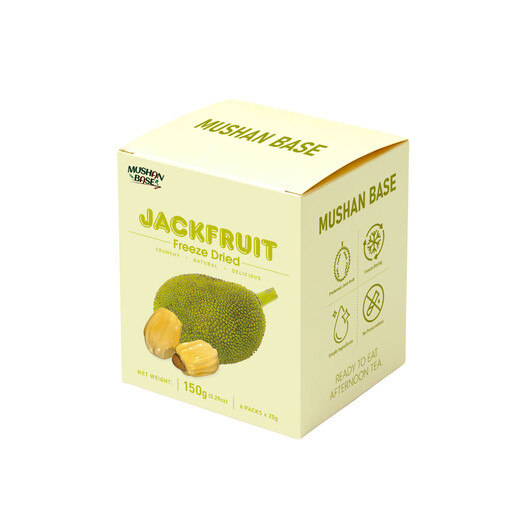
MUSHAN BASE freeze-dried jackfruit 150 g (25 g x 6)
The individually wrapped portions are designed to take with you as a snack.
According to the product description, jackfruit is the only ingredient. The pack contains six 25 g portions, with no added sugar.
Joybuy
 No image available
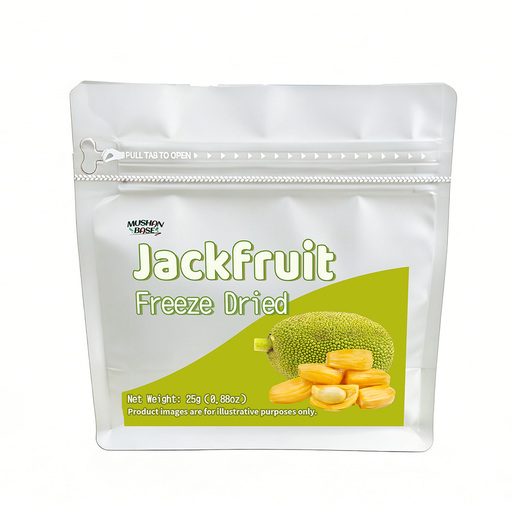
MUSHAN BASE freeze-dried jackfruit 25 g
The 25 g portion is designed as a ready-to-eat snack for taking on the go.
The product description lists jackfruit as the only ingredient.
Joybuy
 No image available
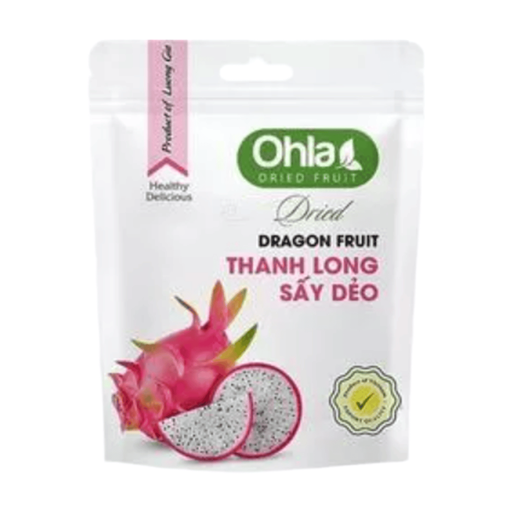
OHLA dried dragon fruit 180 g
The product description presents the dried dragon fruit as a snack and recommends storing it in a cool, dry place.
Joybuy
 No image available
OHLA dried guava 180 g
The product description suggests it as a snack for taking on the go, with guava as the main ingredient.
The ingredients list states 95% guava, sugar and a preservative.
Joybuy
 No image available
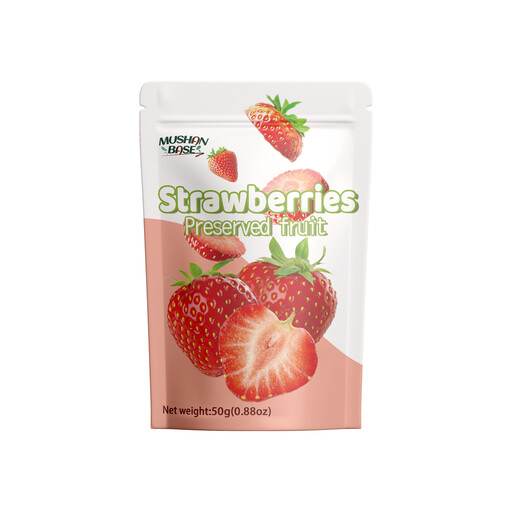
MUSHAN BASE dried strawberry slices 50 g
The product description suggests it as a snack for taking on the go; the pack contains 50 g.
The ingredients list states dried strawberries and sugar.
Joybuy
Frequently asked questions
Can you use ‘allergen-free’ as a general product category?
No. Check for the specific allergen you need to avoid using the information on the exact product. The Netherlands Nutrition Centre stresses the importance of allergen information on the label; a general category name is no substitute for this check.
Is a reaction to sulphites the same as a food allergy?
The Food Allergy Foundation describes reactions to sulphites as intolerance reactions. Sulphites may be added as preservatives under E220–E228, so check for them separately if you need to avoid sulphites.
Which Dutch rules are relevant to cross-contamination warnings?
Since 1 January 2026, the NVWA has been checking that pre-packed products carry appropriate warnings about possible cross-contamination with allergens during inspections. This concerns information provided by retailers and manufacturers; it doesn’t guarantee that every product is suitable for every consumer with an allergy.
How can you take raisins with you without forgetting the storage advice?
Store raisins in a cool, dry, dark place in a tightly sealed container, as recommended by the Netherlands Nutrition Centre. A resealable pack can be handy for taking them with you; also follow the instructions on the pack of the product you have.
What should you do if the online product information doesn’t match the pack?
Check the current pack for ingredients and allergen information before eating the product. Albert Heijn and PLUS point out that product information may change; contact the relevant retailer if you have any questions.


