
Get-together shoppers looking for low-fat options
You want to compare the fat content on the exact pack, rather than relying on the product name alone. For solid foods, the European Commission defines ‘low fat’ as no more than 3 g of fat per 100 g.


For a neighbourhood get-together, compare the fat content per 100 g on the exact pack, then check the sugars, ingredients and storage instructions too. Product information for apricots from Albert Heijn, Jumbo and PLUS lists 0.5 to 0.6 g of fat per 100 g, but that alone does not substantiate a claim such as ‘reduced fat’; portion size and allergens may also influence your choice.
You want to compare the fat content on the exact pack, rather than relying on the product name alone. For solid foods, the European Commission defines ‘low fat’ as no more than 3 g of fat per 100 g.
You want to consider sugars as well as fat, along with how much you put out on the table. The Netherlands Nutrition Centre recommends a maximum of 20 g of dried fruit per day; this is dietary advice, not a legal purchase limit.
You’re sharing snacks with others and want to be able to check the ingredients, allergens and storage instructions. The NVWA states that allergen information for prepacked products is shown on the label.
For a neighbourhood get-together, start by comparing the nutritional information on each pack. Then choose the ingredients and quantity, and check the storage instructions to suit your guests and the occasion.
| What to consider | What should you check? | Who is this important to? |
|---|---|---|
| Fat content and product type | Compare the fat per 100 g on the exact pack and check whether it’s fruit, crisps or a mix. | If I’m mainly watching fat for the get-together, I want to compare the packaging itself; around 33% of consumers rank fat as their top purchasing priority. |
| Sugars and portions | Read the nutritional information for sugars and decide how much you want to serve. | I also want to know how much sugar will be on the table and how much I’m serving; around 27% of consumers give sugar and portions the highest priority. |
| Ingredients for guests | Check both ‘contains’ and ‘may contain’ on the label, and keep the packaging to hand. | If guests need to avoid certain ingredients or allergens, I want to be able to show them the information on the pack; around 20% of consumers put this first. |
| Quantity and storage | Choose a pack size that matches the quantity you need and follow the storage instructions for that product. | I want to buy enough without overlooking the storage instructions for leftovers; around 20% of consumers make this their top purchasing priority. |
For solid foods, the European Commission defines ‘low fat’ as no more than 3 g of fat per 100 g. A low fat content alone does not substantiate a ‘reduced fat’ claim; assess the claim for the exact product.
Fat and sugars are separate nutritional values. PLUS product information lists 0 g of added sugars and 53.4 g of sugars per 100 g.
Check sugars separately from fat and choose an amount that suits what you want to serve.
Storage instructions vary by product. Albert Heijn says to refrigerate its soaked apricots after opening, while Jumbo says to store its product in a cool, dry, dark place.
Read the instructions on the pack you’re buying before opening it.
According to the NVWA, allergen information for prepacked products is shown on the label.
Keep the original packaging with the food so guests can check the information for themselves.
The product information describes soaked dried apricots in a 250 g pack.
The product information describes pitted dried apricots in a 250 g pack.
Lidl presents Alesto as a range of dried fruit and nuts, including apricots.
ALDI lists Trader Joe’s sun-dried apricots in a 250 g pack.
PLUS describes dried apricots in a 375 g stand-up pouch.
Dirk has product information for pitted apricots.
These products are different types of dried fruit to consider for a get-together. Compare the nutritional information, ingredients and quantity on each pack.
 No image available
An option if you’d like to serve dried guava; also compare the fat, sugars and ingredients on the pack.
 No image available
An option if you’d like to share dried mango; check the nutritional information and ingredients on this pack.
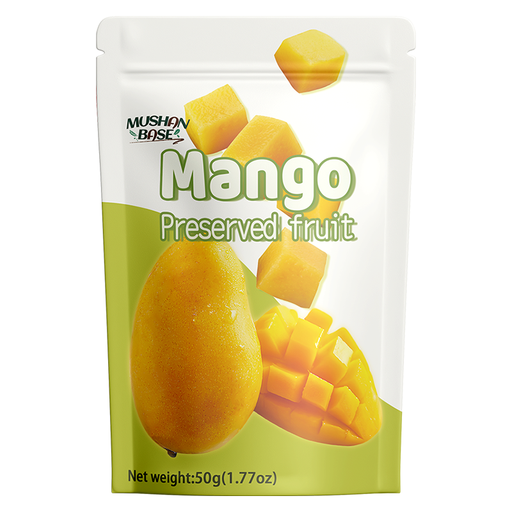 No image available
An option if you’re looking for dried mango in a 50g pack; compare the nutritional information on the pack.
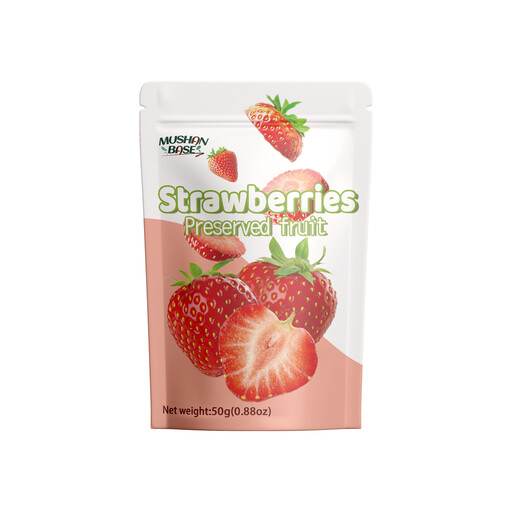 No image available
An option if you’d like to serve dried strawberries; check the ingredients and nutritional information on the pack.
No. For solid foods, the European Commission defines ‘low fat’ as no more than 3 g of fat per 100 g. A low fat content alone does not substantiate a claim such as ‘reduced fat’; check the evidence for the exact product.
The Netherlands Nutrition Centre recommends a maximum of 20 g of dried fruit per day. This is dietary advice, not a legal limit, and that amount won’t automatically suit everyone.
Follow the instructions on the exact pack. Albert Heijn says to refrigerate its soaked dried apricots after opening, while Jumbo says to store its dried apricots in a cool, dry, dark place.
Check the label on the exact product and keep the packaging available for your guests. According to the NVWA, allergen information for prepacked products is shown on the label; Jumbo’s apricots also state that they may contain nuts, peanuts and sesame.
No. Jumbo warns that, exceptionally, a piece of stone or stone fragments may be present.