
Snackers who want to keep portions in check
If you eat dried fruit on King’s Day, compare kcal per 100 g and weigh out your own portion. The Netherlands Nutrition Centre advises having no more than a handful of dried fruit.


When comparing snacks for King’s Day, first check the declared kcal per 100 g, then work out the amount for the portion you plan to eat. Product information from Albert Heijn, Jumbo and PLUS lists 182, 237, 240 and 282 kcal per 100 g for the four supermarket products compared here. All four are above the European Commission’s threshold of 40 kcal (170 kJ) per 100 g for the ‘low energy’ claim. Weigh your portion and check the ingredients, allergen information and storage instructions too.
If you eat dried fruit on King’s Day, compare kcal per 100 g and weigh out your own portion. The Netherlands Nutrition Centre advises having no more than a handful of dried fruit.
If you’re checking for added sugar, natural sugars or organic origins, read the nutritional information too. These features alone don’t tell you how much energy a portion provides.
If you’re taking a bag with you or sharing it, check the allergen information and the instructions for storing it after opening. These can vary by product.
If you’re considering dried fruit as a snack on King’s Day, your choice may depend on your own portion size, the ingredients and practical storage and usage instructions.
| What to consider | What should you check? | Who is this important to? |
|---|---|---|
| Energy per portion | Compare kcal per 100 g and calculate the amount for the weight you plan to eat; portion sizes on labels can vary. | If I want to know how much energy my own snack portion provides, I check the weight I actually eat. Around 40% of consumers prioritise energy per portion. |
| Ingredients and sugars | Read the ingredients and compare energy, total sugars and added sugars separately. | I want to know what has been added to the fruit and how much total sugar and energy it contains. Around 30% of consumers give the highest priority to ingredients and sugar information. |
| Allergens | Read the information on the exact product and distinguish between ‘contains’ and ‘may contain’. | If I’m sharing the snack, I want to check whether any relevant allergens are listed. Around 20% of consumers put allergen information first. |
| Taking it with you and storage | Check the net weight and the storage instructions before and after opening. | If I’m taking fruit with me or splitting a bag, I want to know how to store it after opening. Around 10% of consumers give these practical considerations the most weight. |
No added sugar doesn’t automatically mean low in energy. Albert Heijn lists 182 kcal per 100 g for its rehydrated apricots; PLUS lists 282 kcal per 100 g for its prunes.
As well as the ingredients, check the energy and total sugars per 100 g. Don’t use ‘low energy’ as a product claim if the product doesn’t meet the relevant threshold.
A 50 g portion and a 20 g portion don’t provide directly comparable figures per portion. Albert Heijn lists a 50 g portion for its rehydrated apricots; Jumbo also shows values per 20 g.
First compare per 100 g, then calculate the values for the same portion weight for both products.
The ingredients list for AH Biologisch Dried Pitted Prunes lists prunes and water, but the product information mentions possible traces of peanuts and nuts.
If you have a relevant allergy, check the packaging of the exact product. Don’t infer allergen information from an organic label or a short ingredients list.
Storage advice varies. Albert Heijn says to refrigerate its rehydrated apricots after opening at a maximum of 7°C; other product information says to store in a cool, dry, dark place.
Check the storage instructions before taking an opened pack with you or sharing its contents.
An opened pack that isn’t stored according to the label may become unusable and lead to waste.
The own-brand products mentioned are AH Rehydrated Dried Apricots and AH Biologisch Dried Pitted Prunes. They have different ingredients and storage requirements.
Jumbo Dried Pitted Apricots 250 g is an option if you want to compare nutritional values per 100 g and per 20 g.
Alesto is Lidl’s range of nuts and dried fruit, including apricots, snacks and toppings.
ALDI Netherlands sells Trader Joe’s Sun-dried Apricots in a 250 g pack.
PLUS Dried Prunes 375 g is worth considering if you’re looking for prunes in a larger bag that you can divide into portions yourself.
Dirk’s own brand includes apricots in a 375 g pack.
This selection includes dried raisins, pitted red dates and prunes. Check the nutritional information and portion size on each pack: the product name or ingredients list alone won’t tell you how much energy your portion provides.
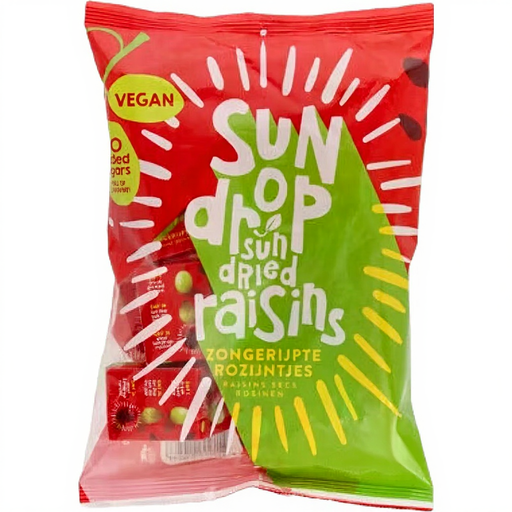 Image unavailable
These raisins are a good option if you’re looking for a dried fruit snack to take with you; the product description lists 99.5% raisins and sunflower oil. The pack contains 252 g and should be closed securely after opening.
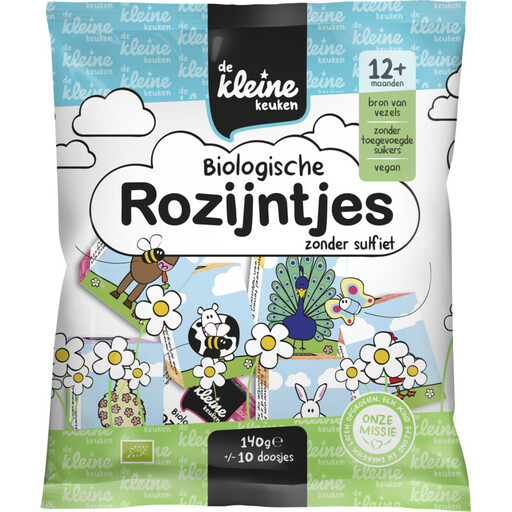 Image unavailable
The product description lists ten 14 g boxes of organic raisins, with no added sugars or sulphites. According to the description, the product is suitable only from 12 months onwards; supervise children while they eat and don’t use it if they have difficulty swallowing.
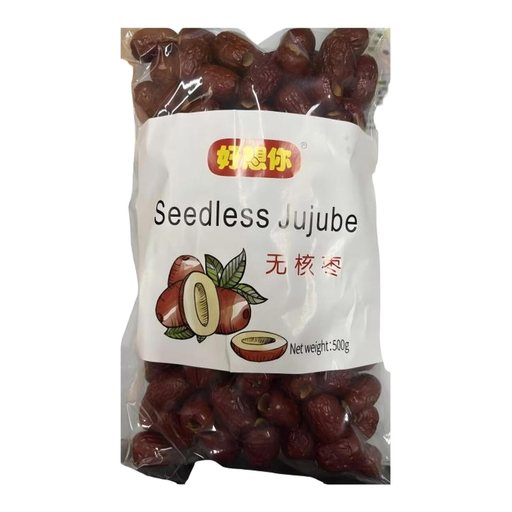 Image unavailable
These pitted red dates are a good option if you’re looking for dried fruit with one listed ingredient; the ingredients list says 100% red dates. The product description lists 300 kcal per 100 g, above the European Commission’s threshold of 40 kcal per 100 g for the ‘low energy’ claim.
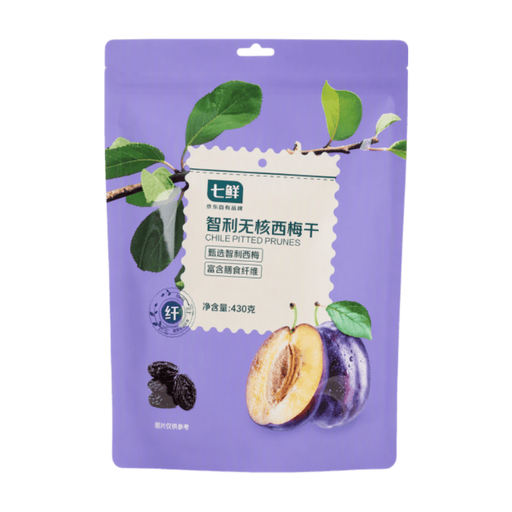 Image unavailable
These pitted prunes are a good option if you’re looking for dried prunes with no other listed ingredients; the ingredients list names dried prunes. The product description lists 283 kcal per 100 g and advises consuming the contents immediately after opening.
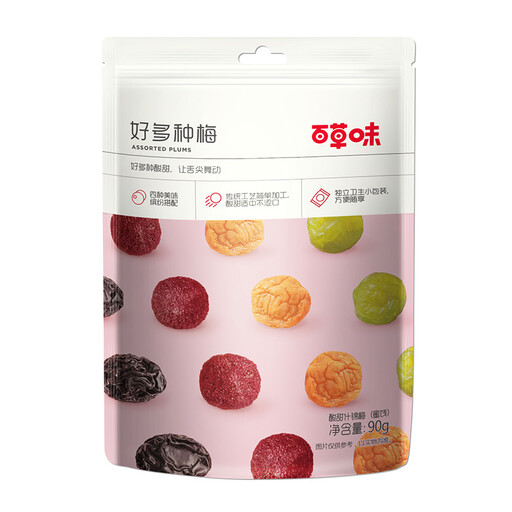 Image unavailable
According to the product description, this 90 g bag is designed to take with you or share. The description lists 68 kcal per 100 g, above the European Commission’s threshold of 40 kcal per 100 g for the ‘low energy’ claim; the ingredients list names white sugar, sweeteners, salt and flavourings.
No, not just because the portion is small. According to the European Commission, the ‘low energy’ claim for solid foods is subject to a maximum of 40 kcal (170 kJ) per 100 g. The four supermarket products compared here list higher values, so compare the nutritional information per 100 g and for your own portion.
Weigh the amount you want to eat and calculate the kcal based on the value per 100 g. A 20 g portion is an example for calculation purposes, not universal dietary advice. The Netherlands Nutrition Centre advises having no more than a handful of dried fruit.
Follow the storage instructions on the packaging of the exact product. For its rehydrated dried apricots, Albert Heijn says to refrigerate after opening at a maximum of 7°C; Jumbo says to store the apricots compared here in a cool, dry, dark place. These instructions are not the same.
According to the Netherlands Food and Consumer Product Safety Authority, allergens in the ingredients list are clearly distinguished from the other ingredients, for example in bold. Also read any warnings about possible traces. ‘Contains sulphites’ and ‘may contain: nuts’ are different statements.
‘No added sugar’ doesn’t mean the same as low energy content. For example, PLUS lists no added sugar and 282 kcal per 100 g for its prunes. Check both the ingredients list and the nutritional information when choosing.