
Snackers looking for a low-fat option
You’re looking for dried fruit with a demonstrably low fat content and want to distinguish nutritional values from comparative claims.


If you’re mainly looking for a low-fat option, compare the nutritional values per 100 g: both the Jumbo and PLUS apricots in this review list 0.5 g of fat. That doesn’t automatically make them ‘reduced fat’: this claim also requires a substantiated comparison with a suitable reference product. If you’re choosing a snack for King’s Day, also consider portion size, energy, sugars, ingredients and storage instructions.
You’re looking for dried fruit with a demonstrably low fat content and want to distinguish nutritional values from comparative claims.
For you, a lighter snack also means considering how much you eat, as well as energy and sugars—not just fat.
You want to take dried fruit with you or share it, so you’re also considering storage and allergen information.
First, check the fat content per 100 g and assess any comparative claim separately. Then choose a portion and pack that suit your plans for King’s Day.
| What to consider | What should you check? | Who is this most relevant for? |
|---|---|---|
| Fat content and claims | Check the fat content per 100 g. A low fat value alone doesn’t prove that a product contains less fat than a comparable product. | If low fat is your main reason for choosing dried fruit, you’ll want to be able to assess its nutritional value. Around 29% of consumers in these King’s Day choices put this first. |
| Portion, energy and sugars | Compare values per 100 g, then decide how much you want to eat. | If you want to choose your snack portion mindfully, consider energy and sugars as well as fat. Around 23% of consumers say portion control is their main consideration. |
| Ingredients and allergens | Read the ingredients list and the ‘contains’ and ‘may contain’ statements on the pack. | If ingredients or allergens are key considerations, you’ll want to know what’s in the specific pack before sharing it. Around 18% of consumers put this at the top of their list. |
| Storage and taking it with you | Check the storage instructions, especially for an opened pack. | If you’re taking a snack with you, you’ll want the storage instructions to suit your plans. Around 18% of consumers prioritise storage and portability. |
| Quantity and cost | Compare pack sizes and the current price per kilo; also check the price at checkout or on delivery. | If you’re looking for a quantity that suits your shopping budget and how you’ll use it, the pack matters just as much as the product name. Around 12% of consumers say this is their main priority. |
According to the European Commission, solid foods can be labelled ‘low fat’ if they contain no more than 3 g of fat per 100 g. This limit concerns the amount of fat; it doesn’t prove that a product contains less fat than a suitable comparable product.
The fat value per 100 g tells you how much fat the product contains, but not whether that’s less than in a comparable product.
Assess the nutritional value and any comparative claim separately; only use a claim that’s substantiated for the specific product.
A low fat value doesn’t tell you how much energy or how many sugars you’ll get in your chosen portion. The Netherlands Nutrition Centre lists 26 kcal and 5 g of sugars for one dried apricot weighing 9 g.
Decide on your portion and check energy and sugars as well as fat.
The specific storage instructions for the AH soaked apricots reviewed here say to refrigerate them after opening.
Check the storage advice for the variety you’re buying before opening the pack or taking it with you.
A pack that doesn’t suit your storage options can be inconvenient and lead to waste.
The pages reviewed for AH Unsulphured Apricots and Jumbo Organic Dried Apricots say these products are no longer in the range.
Check the current range information before adding a product to your shopping plans.
The soaked dried apricots reviewed here are an example to consider if you’re specifically looking for a soaked variety.
The pitted dried apricots reviewed here include information to help you assess fat content and portion size.
The Alesto range includes dried fruit; a Lidl page describes dried fruits from southern regions in several varieties.
The Trader Joe’s Sun-Dried Apricots reviewed here are an example of dried apricots from the stated supermarket selection.
The stand-up pouch of dried apricots reviewed here is an example for anyone looking to assess the ingredients in a larger pack.
The 375 g pack of 1 de Beste Apricots reviewed here is suggested as a snack or for adding to breakfast and baking recipes.
These Joybuy products are dried fruit options to compare by fruit type, portion and the information available to help you choose.
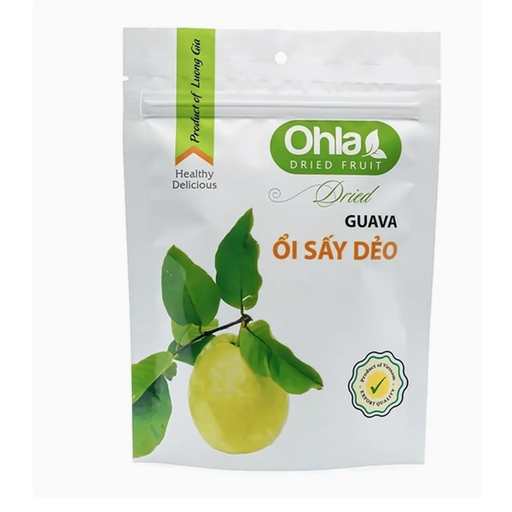 No image available
An option if you’re looking for dried guava; the product name lists a 180 g pack.
 No image available
An option if you’re looking for dried mango; the product name lists a 100 g pack.
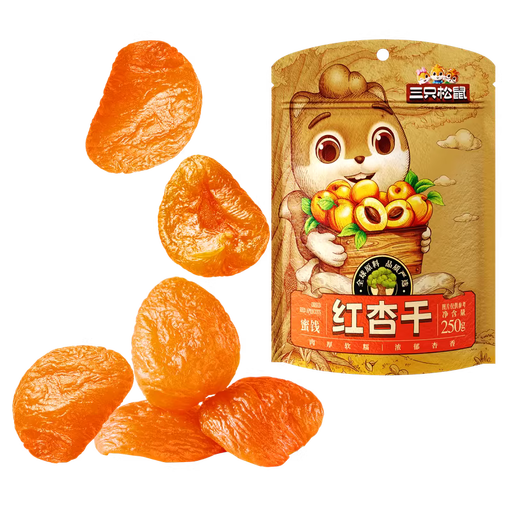 No image available
An option if you’re looking for dried apricots that are ready to eat.
The product information lists 0 g of fat, 311 kcal and 62.0 g of sugars per 100 g. Sulphites are listed. The pack is resealable; store in a cool, dry place.
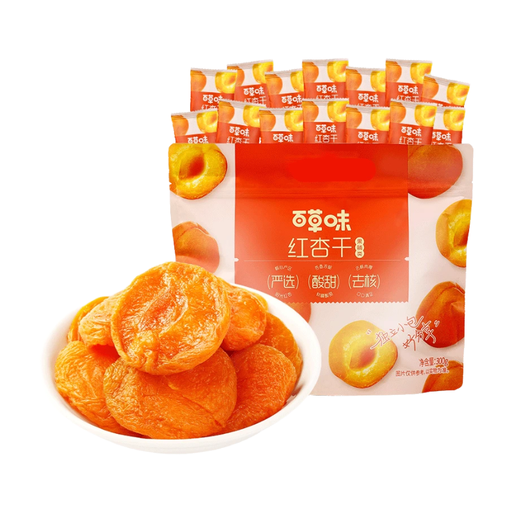 No image available
An option if you’re looking for dried red apricots.
The product information lists 1.0 g of fat, 327 kcal and 64.5 g of sugars per 100 g. Sulphites are listed.
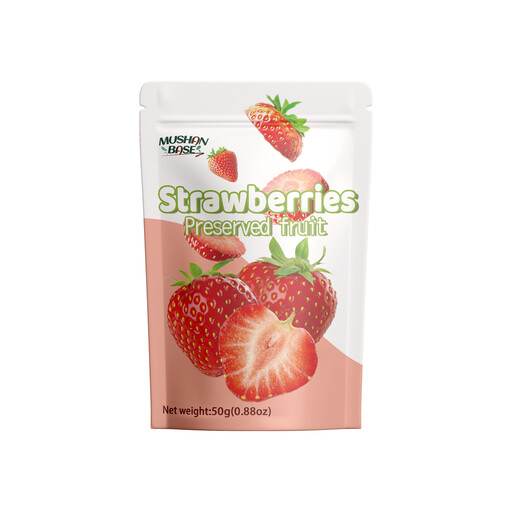 No image available
An option if you’re looking for dried strawberry slices; the product name lists a 50 g pack.
For a solid food, the European Commission sets a maximum of 3 g of fat per 100 g. This is a condition for using the claim ‘low fat’, not portion advice or proof that the product contains less fat than a comparable product.
No. The fat value per 100 g shows how much fat that product contains, but not how much less it contains than a suitable comparable product.
No. The PLUS apricots reviewed here list 0 g of added sugars and 53.4 g of total sugars per 100 g. Check both figures on the pack of the product you choose.
According to the storage instructions for this variety, refrigerate them after opening at a maximum of 7°C. The pack also says they have a limited shelf life.
Keep the ingredients and allergen information from the pack to hand, and check it for the variety you’re sharing. The Netherlands Food and Consumer Product Safety Authority says allergen information for prepacked products must appear on the label.