What should you look for in dried fruit?
First decide whether you want a small fruit-based treat or are looking for a clearly stated contribution of protein. Then consider the portion, ingredients and how much preparation is involved in handing it out.
This table is for anyone considering dried fruit as a children’s party treat; each row highlights the main point to weigh up.
| What to consider |
What to look for |
Who is this most relevant to? |
| Protein content and sports claims |
Compare protein and energy using the same quantity, then calculate the figures for the portion you’ll hand out. The Netherlands Nutrition Centre gives 0.6 g of protein per 20 g of raisins as a general reference; this isn’t product-specific information for other varieties. The NVWA refers to European requirements for nutrition claims. |
If you have a protein target, you’ll want to check the amount per portion rather than relying on a sporty name. Consumers who prioritise protein make up around 29% of this group. |
| Age and allergies |
Check the latest ingredient information and ask about allergies and group arrangements. The Netherlands Nutrition Centre advises against whole nuts and peanuts for children under 4. |
If the group includes children of different ages or with allergies, you’ll want to check whether the ingredients are suitable. Consumers who prioritise group safety make up around 29% of this group. |
| Portion and sugar |
Check the portion weight, nutritional information for that amount and the ingredients list. According to the Netherlands Nutrition Centre, a 20 g handful of raisins contains 13.8 g of sugars; remember to distinguish between naturally occurring and added sugars. |
If you mainly want to hand out a modest fruit-based treat, the amount and ingredients matter. Consumers who prioritise a small fruit portion make up around 24% of this group. |
| Portioning it yourself |
Compare the pack weight with the number of portions you’re planning, and allow for bags and preparation. PLUS lists 375 g, ALDI 500 g and Jumbo several pack sizes. |
If you’re filling lots of treat bags yourself, you’ll want to know how many portions you can make and how much work it will involve. Consumers who prioritise efficient portioning make up around 18% of this group. |
Dried fruit at Joybuy
These product options are dried fruit for anyone putting together a fruit-based treat. Check the portion, ingredients and nutritional information for each variety; a product name alone doesn’t make it high in protein.
 No image available
PHILIPPINE BRAND dried mango 100 g
The product information describes individual packs, which can be useful if you want to hand out separate portions.
The nutritional information lists 2 g of protein per 100 g. The product information also mentions sulphites, so bear this in mind if you have a relevant sensitivity.
View at Joybuy
 No image available
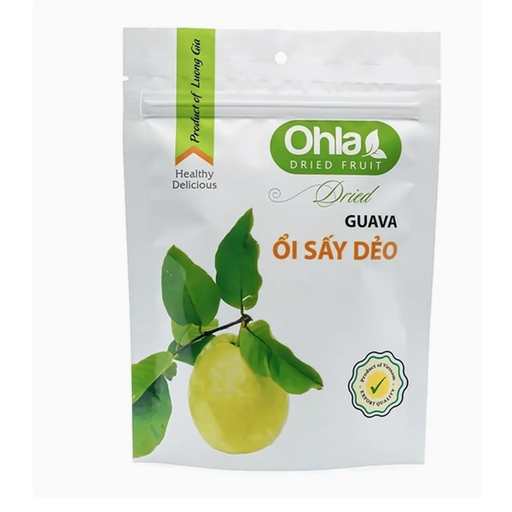
OHLA dried guava 180 g
This variety may suit you if you’re looking for a ready-to-serve dried fruit; adjust the amount to fit your treat plans.
The ingredients list includes sugar and a preservative. Check the current packaging for the full ingredients and nutritional information.
View at Joybuy
 No image available
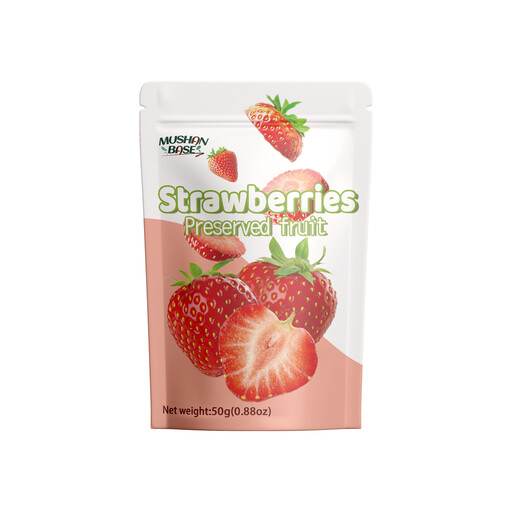
MUSHAN BASE dried strawberry slices 50 g
The 50 g pack could be an option if you want to portion out a small amount of dried fruit; decide how much to give each child.
The ingredients list includes sugar. Check the current packaging for the full ingredients and nutritional information.
View at Joybuy
Frequently asked questions
Should you hand out extra recovery food after a children’s sports party?
Not automatically. According to the Netherlands Nutrition Centre, an hour of exercise a day is part of a child’s usual activity levels, and extra food during or after exercise isn’t always needed. If your child is hungry, the Netherlands Nutrition Centre recommends vegetables or fruit; if they’re hungrier, a wholemeal sandwich with a topping could be suitable.
Can you give a fruit and nut mix to toddlers?
The Netherlands Nutrition Centre advises against giving whole nuts or peanuts to children under 4 because of the risk of choking. Older children can choke too, so make sure they eat calmly at the table and stay with them. Also check for allergies and any group arrangements.
How long can you keep opened raisins?
The Netherlands Nutrition Centre gives 6–9 months in a kitchen cupboard as general storage advice for opened raisins. Follow the label for your variety too, and look out for dryness, hardness, discolouration and mould. This advice doesn’t automatically apply to homemade mixes or other dried fruit.
How do you compare the cost of filling treat bags yourself?
Work out the cost using the same amount per child. Calculate how many usable portions you’ll get from a pack and include the cost of your own packaging; don’t compare pack weights of 375 g and 500 g alone.
Can ‘high protein’ be used freely on a product or in a commercial buying guide?
No. A nutrition claim must comply with the relevant European rules. The Netherlands Food and Consumer Product Safety Authority refers to these rules, and the European Commission states that misleading claims are prohibited on the EU market. A search term or product name alone doesn’t prove that a specific claim is permitted.


