What should you look for when buying?
First decide how much protein you want your snack to provide. Then choose a portion and serving method that suit the ingredients, your guests and the fridge space available.
| What to consider |
What should you look for? |
Who should pay most attention? |
| Protein per portion |
Compare the protein per 100 g and calculate how much that means for the amount you’ll serve. Albert Heijn lists 4 g per 100 g, PLUS 3.4 g and Jumbo 3.2 g. |
If you mainly want to know how much protein the fruit adds to your party platter, look at the portion rather than just the product name. Around 38% of consumers consider protein content their main priority. |
| Ingredients and allergens |
Read the ingredients list and allergen information for each variety. The Albert Heijn, PLUS and Jumbo apricots mentioned contain sulphites. |
If you’re putting together snacks for guests with dietary requirements, you’ll want to check the ingredients and make them easy to identify. Around 23% of consumers focus mainly on ingredients and suitability for guests. |
| Serving and storage |
Check the instructions for after opening. Albert Heijn says its soaked apricots should be refrigerated at a maximum of 7 °C; PLUS and Jumbo recommend storing their dried apricots in a cool, dry, dark place. |
If you’re preparing snacks in advance or adding dairy, serving plans and available fridge space matter. The Netherlands Nutrition Centre recommends a fridge temperature of 4 °C and leaving perishable food out of the fridge for no more than 2 hours. Around 23% of consumers focus mainly on serving and storage. |
| Pack size |
Match the quantity to the number of guests and the portions. The varieties mentioned include packs of 250 g and 375 g; a larger pack does not, on its own, prove a lower price or less waste. |
If you’re planning the shopping for a party, you’ll want to choose an amount that matches what you expect to serve and store. Around 16% of consumers focus mainly on pack size and shopping plans. |
Dried fruit at Joybuy
These products are dried fruit that you can serve on its own or use in snacks and desserts. Their protein content is limited, so check the ingredients and the amount per portion too.
 No image available
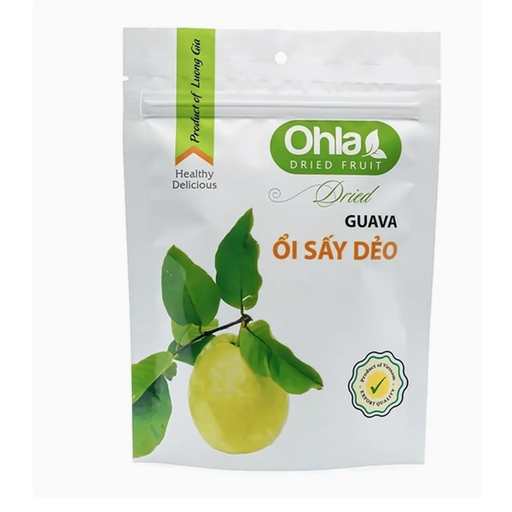
OHLA Dried Guava 180g
The product description suggests serving it as a fruity snack or using it as an ingredient in desserts.
Guava: 95%; the ingredients information also lists sugar and a preservative. Protein: 1.27 g per 100 g.
Reseal securely after opening, as stated in the product description.
View at Joybuy
 No image available
PHILIPPINE BRAND Dried Mango 100 g
The product description suggests eating it as a snack or adding it to yoghurt, breakfast cereal, bakes and desserts.
Mango: 75%; protein: 2 g per 100 g. The product information also lists sugar and sulphites.
Store in a cool, dry place, as stated in the product description.
View at Joybuy
 No image available
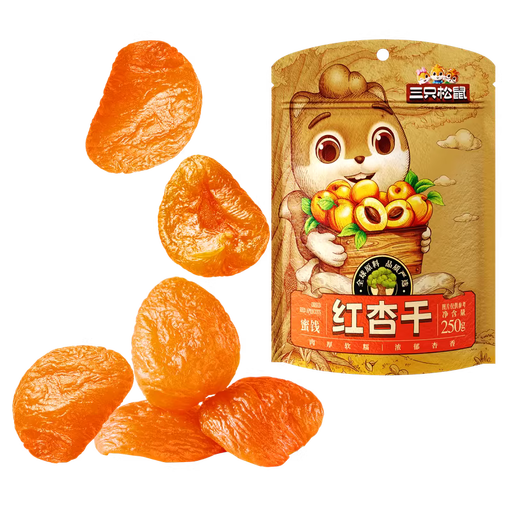
Three Squirrels Red Apricot Dried, 250g
The product description suggests eating it straight from the pack, sharing it, adding it to lunchboxes or using it in baking.
Protein: 1.1 g per 100 g. The ingredients information lists added sugar, maltose syrup and sulphites.
Store in a cool, dry place, as stated in the product description.
View at Joybuy
 No image available
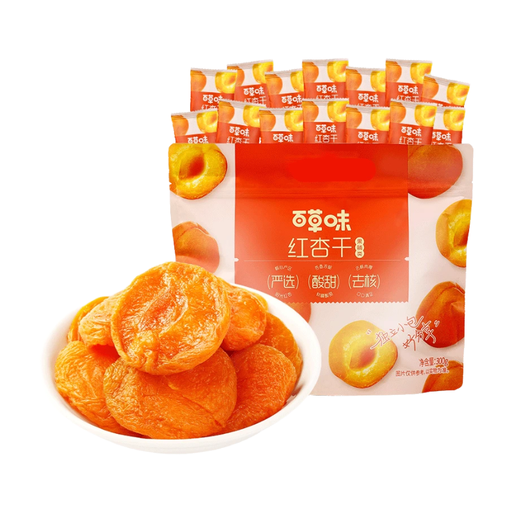
Be&Cheery Dried Red Apricots 300g
The product description suggests snacking, adding it to lunchboxes, baking with it or eating it straight from the pack.
Protein: 0.9 g per 100 g. The ingredients information lists sugar, maltose syrup and sulphites.
Store in a cool, dry place, as stated in the product description.
View at Joybuy
 No image available
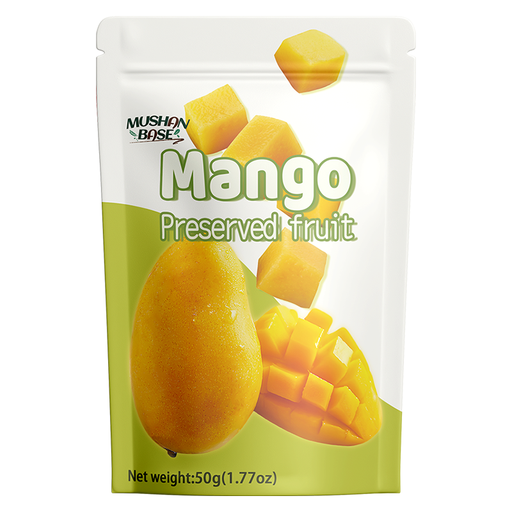
MUSHAN BASE Dried Mango 50g
The product description suggests eating it as a snack or adding it to yoghurt, breakfast cereal, bakes and desserts.
Mango: at least 79.5%; protein: 1 g per 100 g. The ingredients information lists sugar, glucose syrup, maltose syrup and sulphites.
Store in a cool, dry place, as stated in the product description.
View at Joybuy
Frequently asked questions
Do you automatically need protein shakes or special protein snacks to recover after exercise?
No. The Netherlands Nutrition Centre says most people who exercise don’t need special protein shakes or bars if they eat a healthy, varied diet. Consider dried fruit as part of your overall diet, not as a recovery product in its own right.
Is the portion size on the pack the same as the daily dietary recommendation?
No. Albert Heijn lists a 50 g portion for the soaked apricots mentioned, while the Netherlands Nutrition Centre recommends a maximum of 20 g of dried fruit per day. The portion size on a pack isn’t personal dietary advice, and the Centre’s recommendation isn’t a legal restriction on sales.
Can you store opened soaked apricots in the cupboard?
Follow the instructions for the specific variety. Albert Heijn says the soaked apricots mentioned should be refrigerated after opening at a maximum of 7 °C. This instruction doesn’t automatically apply to every type of dried fruit.
How should you serve a snack with dairy during a longer party?
Put out small amounts and keep the rest chilled. The Netherlands Nutrition Centre recommends a fridge temperature of 4 °C and leaving perishable food out of the fridge for no more than 2 hours; after that, you should throw it away.
Does allergen information have to appear on prepacked fruit products?
Yes. According to the Netherlands Food and Consumer Product Safety Authority, allergen information must appear on the label of prepacked products. Also check the ingredients of any additions, such as nuts or dairy, when serving them with party snacks.


