What should you look for when choosing?
First check exactly which substance a guest needs to avoid, then assess the product label. Only after that should you plan the portions and presentation. The priorities below will help you choose what’s right for your party.
| What to consider |
What to look for |
Who is this important for? |
| Specific allergen |
Read the full ingredients list and any relevant warnings about possible cross-contamination. |
If a guest needs to avoid milk or a particular nut, for example, compare that specific requirement with the label. Around 36% of consumers put this allergen check first. |
| Sulphites |
Check the product information for sulphites and E220–E228. |
If sulphite sensitivity is the deciding factor, check specifically whether the fruit you’ve chosen is suitable. Around 29% of consumers make avoiding sulphites their top priority. |
| Clear serving arrangements |
Keep product information with the snack and serve portions separately. |
If your guests have different dietary requirements, a well-organised layout helps keep snacks and their information together. Around 21% of consumers prioritise clearly labelled, separate servings. |
| Added sugar |
Check the ingredients and distinguish between unsweetened fruit and fruit with no natural sugars. |
If you mainly want to avoid added sugar, look for an option that suits this preference; unsweetened dried fruit still contains natural sugars. Around 14% of consumers make this their main purchasing priority. |
Dried fruit at Joybuy
These products focus on dried fruit for snack portions and a preference for fruit with no added sugar. Product information in a description doesn’t replace checking the current label against your guests’ specific dietary requirements.
 No image available
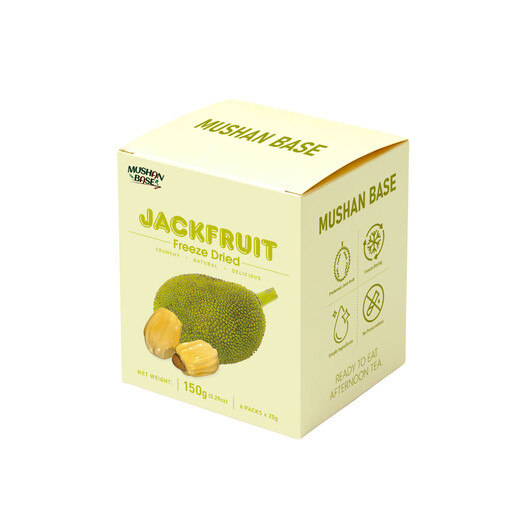
MUSHAN BASE freeze-dried jackfruit, 150 g (25 g × 6)
The individual sachets may be suitable if you want to serve portions separately; the product description lists jackfruit as the sole ingredient.
The description states 100% jackfruit, no added sugar and six 25 g sachets. No added sugar doesn’t mean the product contains no natural sugars. Check the label for your guests’ specific dietary requirements.
View at Joybuy
 No image available
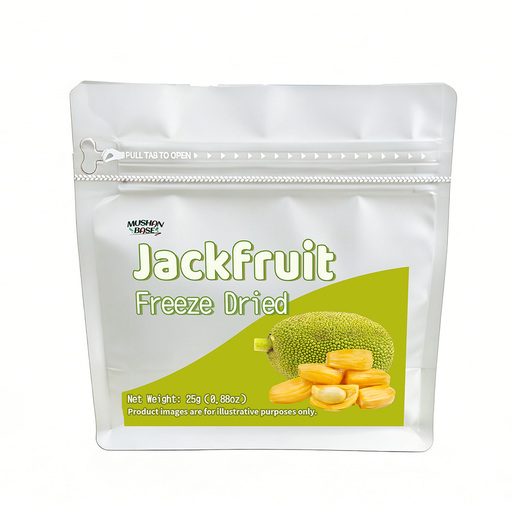
MUSHAN BASE freeze-dried jackfruit, 25 g
The 25 g sachet may be suitable if you want to offer a small portion; the product description lists jackfruit as the sole ingredient.
The description states 100% jackfruit and no added sugar. Check the current product information for any specific allergens and other dietary requirements your guests may have.
View at Joybuy
 No image available
OHLA dried guava, 180 g
This dried guava may be suitable if you’re looking for fruit as a snack; check the ingredients against your guests’ preferences.
The product description lists 95% guava, sugar and a preservative. Check the label for the full ingredients and allergen information.
View at Joybuy
 No image available
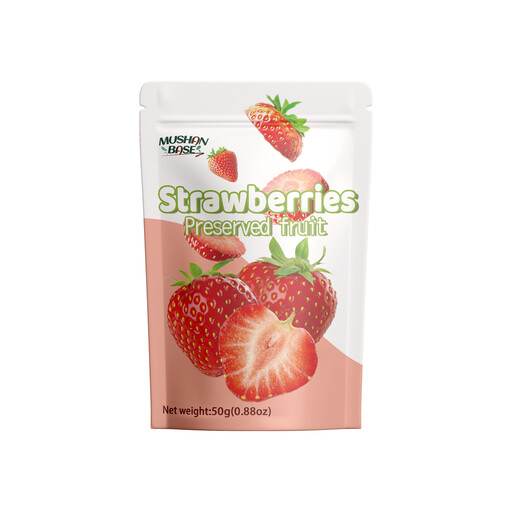
MUSHAN BASE dried strawberry slices, 50 g
The dried strawberries may work as a snack or topping; the product description mentions both uses.
The ingredients list names dried strawberries and sugar. Check the full product information to see whether it suits your guests’ dietary requirements.
View at Joybuy
 No image available
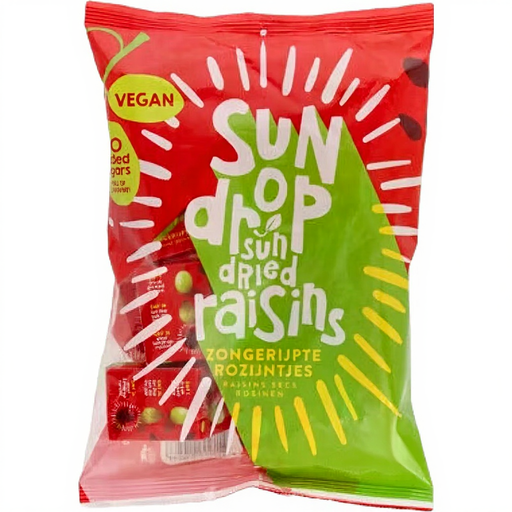
Sundrop mini raisins, 252 g
The product description presents these mini raisins as a snack and a handy giveaway, which may suit you if you want to serve small portions.
The ingredients list states 99.5% raisins and sunflower oil. Check the current packaging for information relevant to your guests’ dietary requirements.
View at Joybuy
Frequently asked questions
Does ‘allergen-free’ mean dried fruit is suitable for all my guests?
No. A general term doesn’t replace checking the exact product. Ask which substances a guest needs to avoid, then check the full ingredients list and any relevant warnings about possible cross-contamination.
Should everyone choose unsulphured raisins?
No. The Netherlands Nutrition Centre doesn’t give a general reason to avoid sulphured raisins; sulphite sensitivity is the relevant exception. For this specific requirement, check the product information for sulphites and preservatives such as E220–E228.
What does ‘May contain X’ mean on packaging?
It’s a precautionary warning about the possible unintended presence of an allergen. Since 1 January 2026, the NVWA has been responsible for enforcing the Dutch rules on these warnings. The NVWA lists ‘May contain X’ and ‘Not suitable for people with an X allergy’ as the permitted wording.
How can I keep snacks and product information together during the party?
Keep the packaging or place the ingredients information next to each type of snack. Serve portions for specific dietary requirements separately and use separate serving utensils. This is practical advice to help limit mixing, not a guarantee that a product or buffet is safe for every guest.
Is unsweetened dried fruit sugar-free?
No. Don’t take ‘unsweetened’ as proof that the fruit contains no natural sugars. Treat it as a specific preference about added ingredients and check the ingredients list.


