When choosing dried fruit for your gym bag, check the storage instructions first. Some products need to be refrigerated once opened, while others can be kept in a cool, dry, dark place. Then compare the calories in the same weighed portion: four supermarket labels checked showed between 36.4 and 68.8 kcal per 20 g. The European Commission sets a maximum of 40 kcal per 100 g for a low-calorie claim on solid foods. A small portion does not change the energy value per 100 g.
Who is this guide for?
Gym-goers keeping an eye on portions
You want to know how many calories you’re actually taking with you. Weigh your portion and compare the energy value on the label rather than relying on claims such as low fat or no added sugar. The product values below come from Albert Heijn labels.
Active people with a bag that isn’t refrigerated
You’re looking for a snack that suits your plans on the go. The Jumbo apricot and AH raisins labels checked say to store the products in a cool, dry, dark place; AH rehydrated apricots must be kept at a maximum of 7°C once opened. Always follow the instructions for the exact product.
Snackers who check ingredients
You may want to avoid added sugar or take allergens into account. Check the ingredients and allergen information on the exact pack: the Jumbo apricots checked list sulphites and possible traces of nuts, peanuts and sesame. No added sugar does not automatically mean low in calories.
What should you look for when buying?
First, weigh out how much you want to take with you. Then check that the storage instructions suit your gym bag and when you plan to eat it.
| What to consider |
What to look for |
Who is this important for? |
| Calories per portion |
Compare kcal per 100 g and weigh your portion. Calculate the calories in your portion using: kcal per 100 g × portion weight in grams ÷ 100. |
If I want to manage how much I snack, I weigh my portion rather than using the pack as a guide. Around 36% of consumers prioritise calories per snack. |
| Storage on the go |
Read the instructions for after opening and check whether you can follow them while carrying the product with you. |
If my bag isn’t refrigerated, I want to choose a product with storage instructions that suit those conditions. Around 29% of consumers give storage and portability top priority. |
| Ingredients and allergens |
Check the ingredients, total sugars and allergen information on the exact pack. |
If ingredients or certain allergens affect my choice, I check the label on the version I’m buying. Around 21% of consumers consider ingredient suitability their main priority. |
| Pack size |
Compare the pack size with the portions you want to weigh out, and check how the product should be stored once opened. |
If I usually take a small amount with me, I want to know how many portions are in a pack and how to store the rest. Around 14% of consumers focus mainly on packaging and portioning. |
For a ‘low-calorie’ claim on solid foods, the European Commission sets a maximum of 40 kcal per 100 g. The labels checked for AH rehydrated apricots (182 kcal), Jumbo dried apricots (237 kcal), PLUS dried apricots (254 kcal) and AH raisins (344 kcal) all exceed this limit. The Netherlands Nutrition Centre advises eating no more than 20 g of dried fruit a day; this is dietary advice, not a legal portion limit.
Common mistakes
-
Confusing a small portion with a low-calorie product
A portion may contain fewer calories than a larger one, but the energy value per 100 g stays the same. For a ‘low-calorie’ claim on solid foods, the European Commission sets a maximum of 40 kcal per 100 g.
State the weight you’ve portioned out and calculate the calories for that amount. Don’t use the claim just because the portion is small.
-
Assuming low fat or no added sugar means low in calories
The AH raisins label lists 0 g of added sugars and 344 kcal per 100 g. These details answer different questions.
Check the energy value and total sugars separately. Don’t let a single statement on the pack determine your whole choice.
-
Overlooking refrigeration instructions after opening
AH rehydrated dried apricots must be refrigerated at a maximum of 7°C once opened. The Jumbo and PLUS apricots checked say to store them in a cool, dry, dark place.
Choose a product whose storage instructions you can follow while you’re out, and don’t treat a warm gym bag as a refrigerated place.
-
Mistaking the portion on the label for a daily recommendation
AH raisins list a 50 g portion. The Netherlands Nutrition Centre advises eating no more than 20 g of dried fruit a day; that advice is different from the portion stated on a label.
Weigh out the amount you want to take with you and bear in mind any other portions of dried fruit you eat that day.
Brands worth comparing
Albert Heijn
The product information checked covers rehydrated dried apricots and raisins, which have different energy and storage profiles.
- AH rehydrated dried apricots list 182 kcal per 100 g and must be kept at a maximum of 7°C once opened.
- AH raisins list 344 kcal per 100 g and should be stored in a cool, dark, dry place. This information applies to the products named, not the entire range.
Jumbo
Jumbo Dried Apricots Pitted 250 g are an option to portion out yourself and, according to the product information, should be stored in a dry place.
- Jumbo lists 237 kcal and 7.0 g of fibre per 100 g.
- The product contains sulphites and may contain nuts, peanuts and sesame. Despite the product name, Jumbo does not rule out the occasional stone fragment.
Lidl
Lidl presents Alesto as a brand that includes dried fruit.
- Lidl lists dried mango strips as a product in the relevant range.
- Lidl’s product listing does not substantiate a calorie classification or nutritional values for a specific variant.
ALDI
The Dutch ALDI product page shows TRADER JOE'S Sun-Dried Prunes in a 250 g pack.
- ALDI describes these prunes as soft and pitted.
- General nutritional values for dried prunes are not automatically the nutritional values of this specific variant.
PLUS
PLUS Dried Apricots are sold in a 375 g stand-up pouch.
- PLUS lists 254 kcal, 7.3 g of fibre and 0 g of added sugars per 100 g. The product should be stored in a cool, dry, dark place.
- The product contains sulphites. This product information is not representative of all PLUS dried fruit.
Dirk
Dirk sells 1 de Beste Apricots 375 g; 1 de Beste is Dirk’s own brand.
- Dirk describes the apricots as soft and suitable as a snack.
- This is Dirk’s product description, not an independent assessment of taste or calorie suitability.
Dried fruit at Joybuy
This selection includes raisins, plums and jujubes as dried fruit snacks. Compare the portion and the information on the pack; the product names alone don’t support a low-calorie claim.
 No image available
De Kleine Keuken Organic raisins 12M+ 140g
The product description lists 14 g boxes, a handy size if you’re looking for individual portions. Check the current pack for ingredients and nutritional information.
According to the product information, this product is intended for children aged 12 months and over. Children should be supervised while eating, and the product is not suitable for children with swallowing difficulties.
View at Joybuy
 No image available
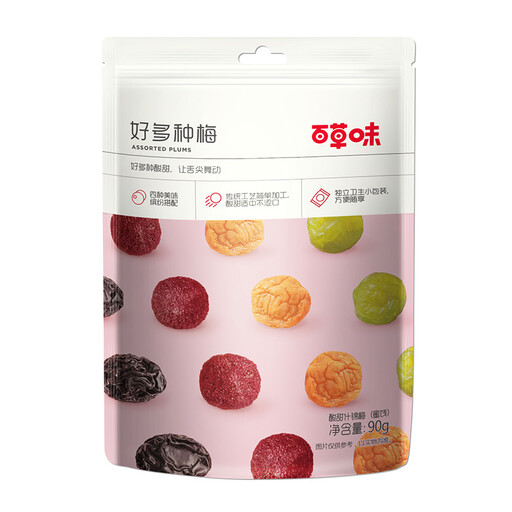
Be&Cheery Various Dried Plum 90g
An option if you’re looking for dried plums. The product name states 90 g; check the current pack for full ingredients and nutritional information.
The product description lists sugar, salt and sweeteners. Check the nutritional information on the pack if you want to compare what’s in it.
View at Joybuy
 No image available
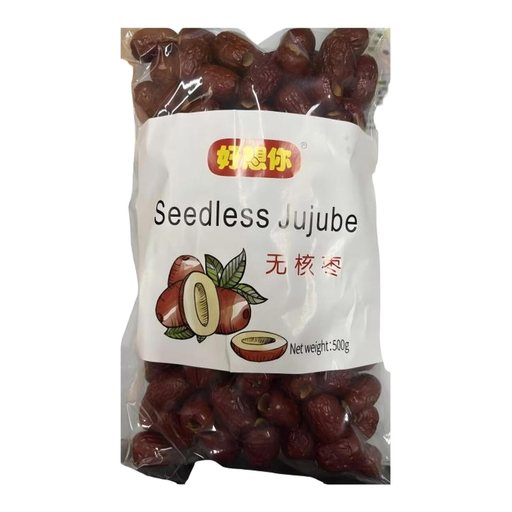
Haoxiangni Pitted Jujubes 500g
The product name specifies pitted jujubes in a 500 g pack. If you want to take a small snack portion with you, weigh it out and check the nutritional information on the pack.
According to the product information, store in a cool, dry place away from direct sunlight, preferably below 15°C. Seal tightly after opening.
View at Joybuy
 No image available
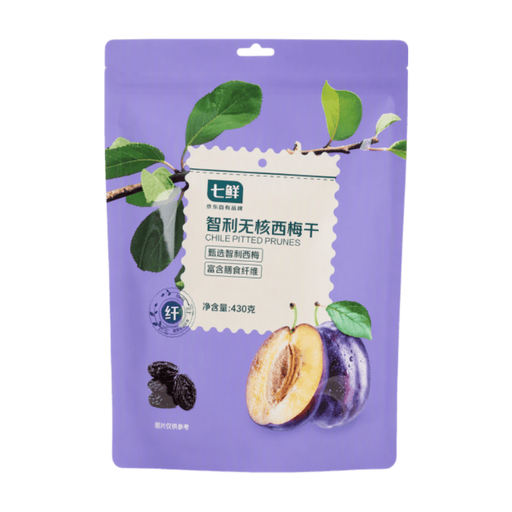
7FRESH Pitted Prunes 430g
An option to compare if you’re looking for pitted prunes. The product name states 430 g; weigh your portion and refer to the pack for nutritional information.
According to the product information, consume immediately after opening.
View at Joybuy
 No image available
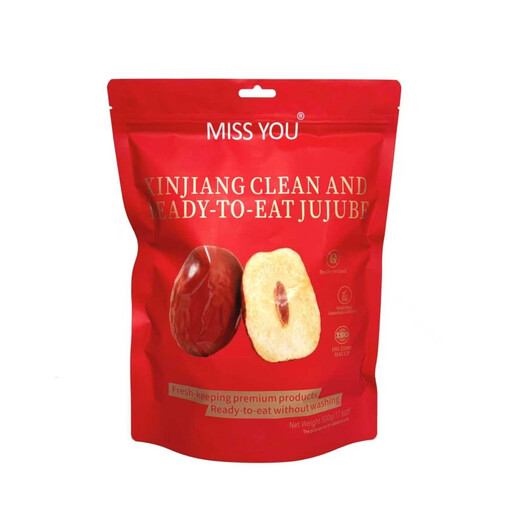
Haoxiangni Grade A Wash-Free Jujubes 500g
The product name specifies jujubes in a 500 g pack. The product information says they’re ready to eat without washing; weigh your portion if you want to compare quantities.
According to the product information, consume immediately after opening. Check the current pack for ingredients and nutritional information.
View at Joybuy
Frequently asked questions
Can dried fruit be called low-calorie if a portion contains few calories?
No. For a low-calorie claim on solid foods, the European Commission sets a maximum of 40 kcal per 100 g. A small portion doesn’t change that value per 100 g; it’s clearer to state the weight and the calories in the portion you’ve weighed out.
Is 20 g a legal maximum portion?
No. The Netherlands Nutrition Centre advises eating no more than 20 g of dried fruit a day; this is dietary advice, not a legal portion limit. The portion stated on a pack is not automatically a personal recommendation either.
Can I keep opened rehydrated apricots in my gym bag?
Follow the instructions for the exact product. AH rehydrated dried apricots must be kept at a maximum of 7°C once opened. Only take them with you if you can keep them chilled while you’re out.
Does ‘no added sugar’ mean dried fruit is low in calories?
No. ‘No added sugar’ and the energy value are different things. AH raisins list 0 g of added sugars, but also 344 kcal per 100 g, so compare the energy value on the label separately.
Where can I check for sulphites and other allergens?
Check the allergen information on the current pack of the exact variant. The Netherlands Food and Consumer Product Safety Authority states that allergen information for prepacked products must appear on the label. Jumbo, AH and PLUS list sulphites in the apricot products mentioned here.


