
Gamers looking for less fat
You want a sweet snack and are comparing the fat content of the exact product variant. Plain apricots give you a useful point of comparison; a low fat content is not the same as a proven fat-reduction claim.


If you’re mainly looking for a low-fat option, you can compare the specific plain apricots from Jumbo and PLUS: both list 0.5 g of fat per 100 g. That’s a low absolute fat content, but on its own it doesn’t prove a comparative ‘reduced fat’ claim. Check the sugars and energy on the label too, and decide on your portion in advance.
You want a sweet snack and are comparing the fat content of the exact product variant. Plain apricots give you a useful point of comparison; a low fat content is not the same as a proven fat-reduction claim.
You want to decide in advance how much to have alongside your game. The Netherlands Nutrition Centre advises having no more than a handful of unsweetened dried fruit, as dried fruit contains a lot of sugar.
You’re buying snacks for several occasions and checking the pack size, whether it can be resealed and the storage instructions for that specific pack.
First compare the nutritional information for the exact variant, then decide on your portion and check whether the packaging suits the way you want to store the snack.
| What to consider | What to look for | Who is this important for? |
|---|---|---|
| Fat content and claims | Compare the fat per 100 g for the exact variant. For solid foods, the European Commission sets a maximum of 3 g of fat per 100 g for a ‘low fat’ claim. | If I mainly want less fat while gaming, I look at the nutritional information rather than just the type of fruit. Around 42% of consumers put fat content first. |
| Sugars and portion size | Check total sugars and energy per 100 g, and weigh your portion in advance. ‘No added sugars’ does not mean ‘sugar-free’. | If I want to plan how much I snack on, I check the sugar and energy in the portion I’m actually putting out. Around 33% of consumers give portion control the highest priority. |
| Packaging and storage | Check the pack size, whether the packaging can be resealed and the storage instructions for that variant. | If I’m setting out snacks for several gaming sessions, I want to know how to reseal and store the pack once it’s open. Around 25% of consumers say packaging convenience is most important. |
A low fat figure tells you how much fat a product contains. It doesn’t prove that the product contains less fat than a suitable product for comparison.
Use the nutritional information for the exact variant to help you choose, and don’t treat ‘reduced fat’ as proven without a suitable comparison.
For its specific dried apricots, PLUS lists 0 g of added sugars and 53.4 g of sugars per 100 g.
Check both the ingredients and the total sugars on the label, and decide in advance how much you want to eat.
AH Banana Chips contain coconut oil and sugar; the nutrition table lists 30 g of fat per 100 g.
For crisps, coated fruit and mixes, check the ingredients and nutritional information for that exact product.
The product page for Jumbo Organic Dried Apricots 250 g says that the product is no longer part of the online range.
Treat information about a product and the option to buy that specific product as two separate things.
The range includes plain dried fruit, fruit and nut mixes, and fruit crisps; the product type and ingredients determine what you’re comparing.
Jumbo lists dried fruit such as apricots, plums, dates and raisins in a range of pack sizes.
Lidl sells dried fruit and nuts under its Alesto brand, including apricots.
Under Trader Joe’s, ALDI offers products including dried apricots, raisins and fruit mixes.
PLUS Dried Apricots Stand-up Pouch 375 g is a specific plain variant whose ingredients and nutritional information you can compare.
Dirk lists products including pitted apricots in a 200 g pack.
These Joybuy products are dried fruit options for anyone looking for a gaming snack and wanting to compare the listed fat content, sugars and ingredients.
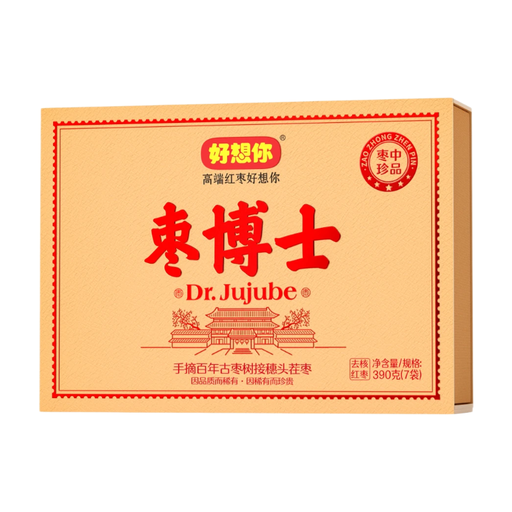 Image unavailable
An option if you’re looking for a ready-to-eat fruit snack with a low listed fat content.
The product description lists 0 g of fat, 50.0 g of sugars and 327 kcal per 100 g. The dates are pitted.
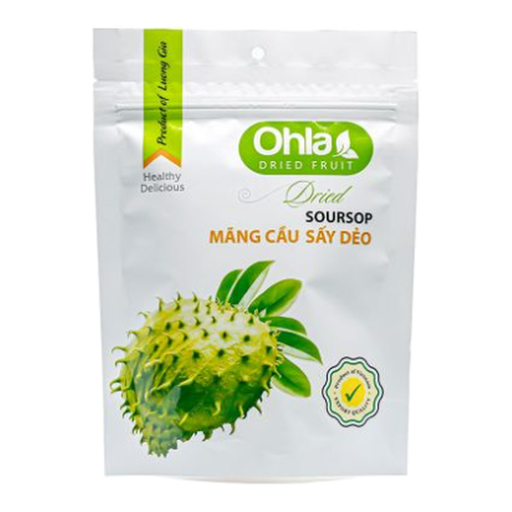 Image unavailable
A snack option to compare if you want to consider the sugars and ingredients as well as the fat content.
The product information lists 2.21 g of fat, 72.6 g of sugars and 348 kcal per 100 g. The ingredients list includes sugar and glucose syrup; the description mentions sodium metabisulphite.
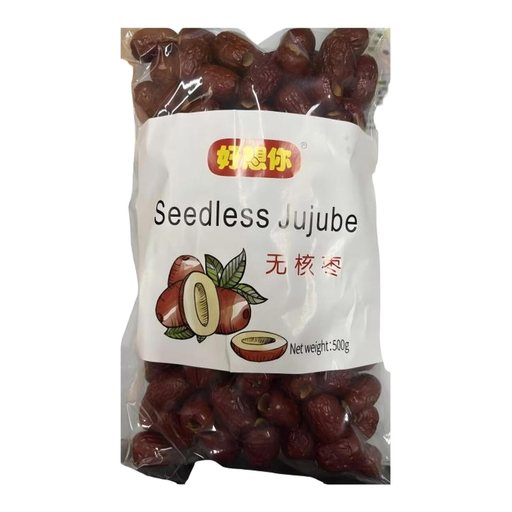 Image unavailable
An option if you’re looking for a ready-to-eat, pitted fruit snack and want to weigh up the sugars per portion.
The product description lists 0.5 g of fat, 60 g of sugars and 300 kcal per 100 g.
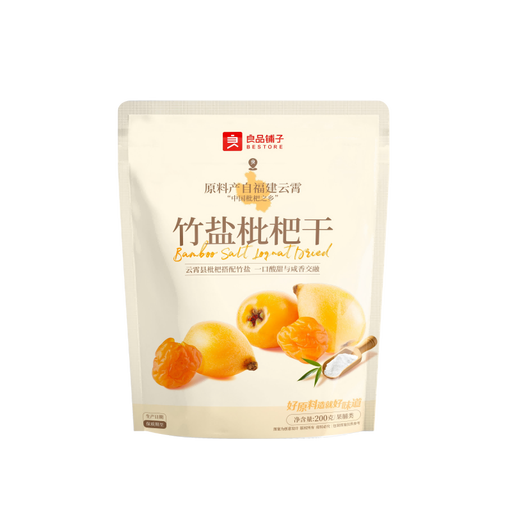 Image unavailable
A ready-to-eat fruit option to consider if you want to compare the fat content with the other nutritional values.
The product information lists 0 g of fat, 66.2 g of sugars and 311 kcal per 100 g. The ingredients list includes sugar and glucose syrup; the description mentions sulphites.
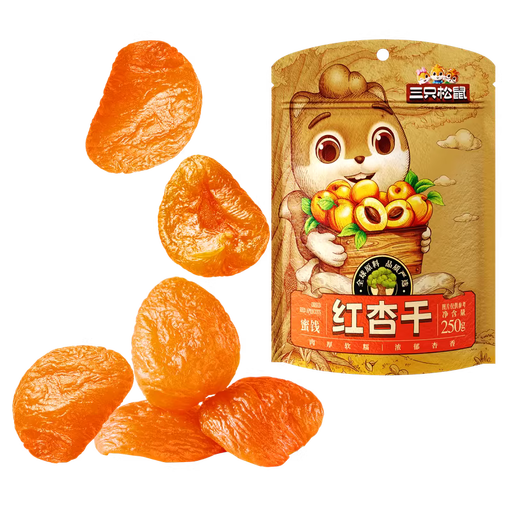 Image unavailable
An option if you’re looking for apricots that the product description says can be eaten straight from the pack.
The nutritional information lists 0 g of fat, 62 g of sugars and 311 kcal per 100 g. The ingredients list includes sugar and malt syrup; the description mentions sulphites. The pack is described as resealable.
For solid foods, the European Commission sets a maximum of 3 g of fat per 100 g for a ‘low fat’ claim. This limit describes an absolute amount of fat and, on its own, doesn’t prove a reduction in fat compared with another product.
The Jumbo pack we checked gives nutritional values per 20 g portion. You can weigh out that portion in advance; also check the instructions and warnings on the packaging of your product.
Follow the storage advice for the exact variant. PLUS recommends storing the apricots mentioned above in a cool, dry, dark place; the Netherlands Nutrition Centre also advises sealing dried mixed fruit properly. Don’t automatically apply that advice to every type of dried fruit.
Check the current packaging for the variant you’ve chosen. The Jumbo apricots we checked contain sulphites and may contain nuts, peanuts and sesame; the PLUS apricots also list sulphites.