Who is this relevant to?

Gamers keeping an eye on their snack portions

If you snack on dried fruit while gaming, you’ll want to know how much energy your portion provides. The Netherlands Nutrition Centre recommends a maximum of 20 g of dried fruit a day. This is dietary guidance, not a legal requirement when buying the product.

Snackers checking sugar claims

When comparing labels, look separately at added sugars, total sugars and energy. For example, AH Soaked Dried Apricots contains no added sugar, but has 37 g of total sugars per 100 g.

Gamers thinking about storage

If you use a pack over several gaming sessions, its storage instructions need to suit your circumstances. AH Soaked Dried Apricots must be refrigerated after opening; the Jumbo apricots and PLUS prunes checked should be stored in a cool, dry, dark place.

What should you look for when choosing?

What to consider What should you check? Who is this important to?
Energy in your portion Compare kcal per 100 g, then weigh your portion. The Netherlands Nutrition Centre recommends a maximum of 20 g of dried fruit a day; this is dietary guidance. The product information for the AH, Jumbo and PLUS products checked lists 182, 237 and 282 kcal per 100 g respectively. If you mainly want to know how much energy you’re actually consuming, weigh out the amount you plan to have while gaming. Around 40% of consumers put energy content first.
Ingredients and sugar Check the ingredients, total sugars and added sugars separately. Also check the allergen information on the packaging. If you want to choose based on ingredients and sugar information, don’t let a ‘no added sugar’ claim take the place of checking the energy value. Around 30% of consumers put checking ingredients first.
Storage and use Check the instructions for after opening, and look out for warnings about stones or fragments of stones. If you’re keeping the snack for several gaming sessions, choose a product whose storage instructions you can follow. Around 20% of consumers value easy storage most.
Pack size and using it up Compare the net weight with how much you expect to use and the storage instructions for after opening. If you want to avoid buying a pack that doesn’t suit how you use it, choose a size that matches how much you typically eat and can store. Around 10% of consumers put pack size first.

Common pitfalls

  • Confusing a small portion with a low-calorie product

    A portion may contain fewer calories than 100 g of the same product, but that doesn’t change its nutritional values per 100 g. According to the European Commission, a solid food can only carry the ‘low energy’ claim if it contains no more than 40 kcal per 100 g. The three products checked are above this limit, at 182, 237 and 282 kcal per 100 g.

    Compare the values per 100 g and also weigh the portion you actually eat.

  • Reading ‘no added sugar’ as ‘low in sugar’ or ‘low in calories’

    A product can contain no added sugar and still provide naturally occurring sugars and energy. For example, AH Soaked Dried Apricots lists 0 g of added sugar and 37 g of total sugars per 100 g.

    Consider the ingredients, total sugars and energy value separately.

  • Storing all dried fruit in the same way

    Storage instructions vary by product. The AH product checked must be refrigerated after opening at a maximum of 7 °C; the Jumbo apricots and PLUS prunes checked should be stored in a cool, dry, dark place.

    Follow the instructions on the packaging for the product you choose, including after opening it.

Brands to compare

Albert Heijn

AH Soaked Dried Apricots is a specific option for comparing energy values on an equal-weight basis.

  • Albert Heijn lists 182 kcal and 0 g of added sugar per 100 g.
  • The product contains sulphites and must be refrigerated after opening at a maximum of 7 °C. The 0 g added sugar figure doesn’t mean the product is low in total sugars or calories.

Jumbo

Jumbo Dried Apricots without Stones 250 g is an option if you’re looking for dried apricots.

  • Jumbo lists 237 kcal per 100 g and advises storing the product in a cool, dry, dark place.
  • The product contains sulphites and may contain nuts, peanuts and sesame. Despite its name, fragments of stones may be present.

PLUS

PLUS Dried Prunes 375 g offers a different type of fruit if you prefer prunes.

  • PLUS lists 282 kcal, 7.1 g of fibre and 0 g of added sugar per 100 g.
  • The ingredients also include sunflower oil and E200. At 282 kcal per 100 g, this product does not meet the EU requirements for the ‘low energy’ claim.

Lidl

Lidl sells dried fruit under the Alesto brand, including mango strips.

  • This product offers an alternative to apricots and prunes.
  • The retailer’s description doesn’t provide a basis for comparing the energy in these mango strips with that in the apricots and prunes checked.

ALDI

ALDI offers TRADER JOE'S Sun-Dried Apricots in a 250 g pack.

  • ALDI’s product description calls these soft dried apricots.
  • The description of the texture doesn’t show that the product is low in calories or lower in energy than other apricots.

Dirk

Dirk sells 1 de Beste Apricots 375 g as its own-brand product.

  • Dirk’s product description calls these apricots soft.
  • The product description doesn’t provide a basis for comparing its energy value with the three products whose nutritional values were checked.

Dried fruit at Joybuy

These dried fruit snacks can be compared using their stated nutritional information, ingredients and storage instructions.

OHLA Dried Guava 180 g

OHLA Dried Guava 180 g

An option if you want to compare dried guava using its stated energy per 100 g.

The product information lists 308 kcal per 100 g and names guava, sugar and a preservative among the ingredients.

View at Joybuy
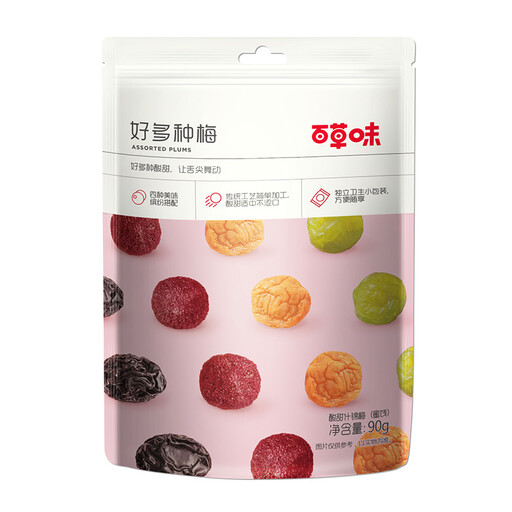
Be&Cheery Various Dried Plums 90 g

Be&Cheery Various Dried Plums 90 g

An option if you’re considering prunes and want to check the stated nutritional information.

The product information lists 68 kcal per 100 g and 3.0 g of salt per 100 g. The ingredients list includes plums, sugar, salt and flavourings.

View at Joybuy
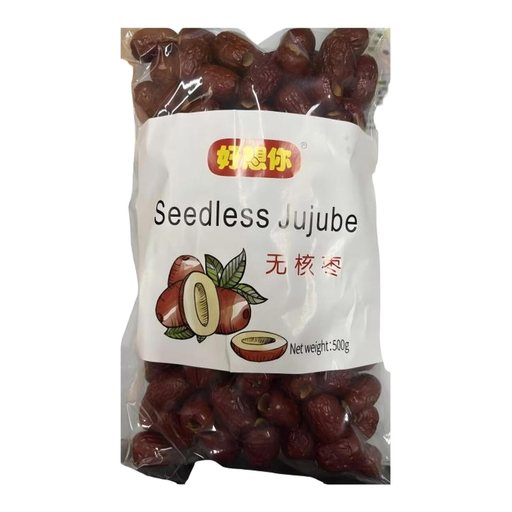
Haoxiangni Pitted Jujubes 500 g

Haoxiangni Pitted Jujubes 500 g

An option if you want to compare dried jujubes with other fruit snacks.

The ingredients information lists red dates (100%). The product information lists 300 kcal per 100 g and advises storing in a cool, dry place, preferably below 15 °C. Seal the pack tightly after opening.

View at Joybuy
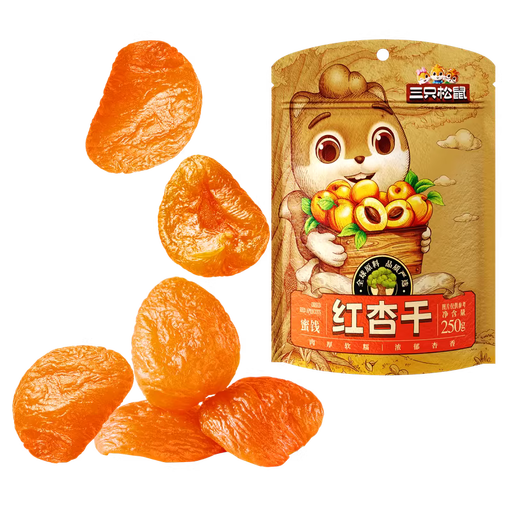
Three Squirrels Red Apricot Dried 250 g

Three Squirrels Red Apricot Dried 250 g

An option if you want to compare dried apricots by their stated energy and ingredients.

The product information lists 311 kcal per 100 g. The ingredients include apricot, sugar, maltose syrup and sulphites. Store in a cool, dry place.

View at Joybuy
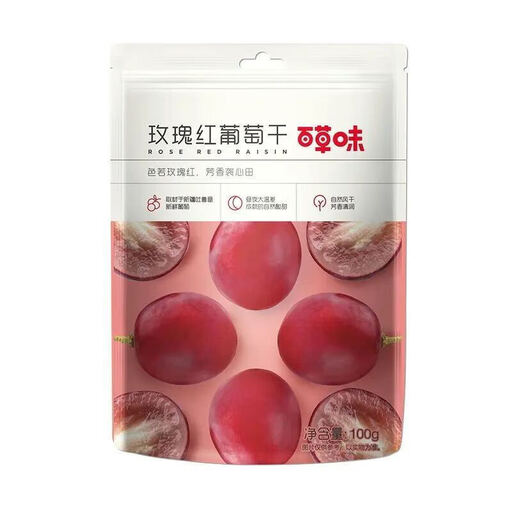
Be&Cheery Rose Red Raisins 100 g

Be&Cheery Rose Red Raisins 100 g

An option if you’re considering raisins and want to take their stated energy value into account when choosing a portion.

The product information lists 330 kcal per 100 g and names raisins as an ingredient. Store in a cool, dry place.

View at Joybuy

Frequently asked questions

Can you call these products low in calories?

No, not based on the nutritional values checked. According to the European Commission, the ‘low energy’ claim for solid food requires a maximum of 40 kcal per 100 g; the three supermarket products checked list 182, 237 and 282 kcal per 100 g. Having a smaller portion doesn’t change this.

How much dried fruit can I portion out in advance?

The Netherlands Nutrition Centre recommends a maximum of 20 g of dried fruit a day. Weigh your portion in advance, and don’t automatically treat the serving size on a pack as personal advice. This is dietary guidance, not a legal limit or personal dietary advice.

Does dried fruit need to go in the fridge after opening?

Follow the instructions for the specific product. AH Soaked Dried Apricots must be refrigerated after opening at a maximum of 7 °C. The Jumbo apricots and PLUS prunes checked should be stored in a cool, dry, dark place.

What should I check if I avoid certain allergens?

Check the allergen information on the current packaging for the product you choose. The NVWA points out that sulphites are one of the allergens consumers must be informed about on pre-packed products. AH and Jumbo list sulphites; Jumbo also states that the product may contain nuts, peanuts and sesame.

Is a bigger bag automatically more practical?

Not necessarily: choose a pack size that suits how much you expect to use and the storage instructions. The AH and Jumbo apricots checked come in 250 g packs; the PLUS prunes are sold in 375 g packs. The pack size alone doesn’t determine how much you need.
