Compare the nutritional values of dried fruit per 100g, as well as the amount you plan to serve: low fat doesn’t automatically mean low in energy or sugar. For solid foods, the European Commission sets a maximum of 3g of fat per 100g for a ‘low fat’ claim. If a product says ‘reduced fat’, check what it is being compared with. For a board game night, you’ll also need to consider portions, storage instructions and the ingredients if you’re serving guests.
Who is this relevant to?
People keeping an eye on fat
You want to choose dried fruit based on the fat content shown on the label, rather than relying on words such as ‘light’ or ‘reduced fat’. For solid foods, the European Commission sets a maximum of 3g of fat per 100g for a ‘low fat’ claim.
People planning portions
You want to share something sweet during a board game night, so you also consider energy, sugar and the amount in each portion. The World Cancer Research Fund provides dietary advice about dried fruit; this is different from the portion size shown on a packet.
People planning snacks for guests
You want to take storage instructions into account, along with sulphites or the possible presence of other allergens if relevant to your guests. Check the packaging for the specific variety.
What should you look for when choosing?
Rehydrated apricots
Choose these when: you want a ready-to-serve fruit option and are also comparing energy for the same quantity.
Worth noting: the AH variety checked must be kept refrigerated at a maximum of 7 °C after opening.
Non-rehydrated apricots
Choose these when: a variety that the packaging says can be stored in a cool, dry, dark place fits your plans better.
Worth noting: the Jumbo and PLUS varieties checked contain sulphites; their sugar values are 51.0 and 53.4g per 100g respectively.
Fruit with fruit as the only ingredient
Choose this when: you want to check the ingredients list specifically for added preservatives.
Worth noting: a previously listed organic Jumbo apricot contained only apricot as an ingredient, but the product listing does not indicate whether it is currently available to buy.
Nut and fruit mix
Choose this when: you specifically want to serve fruit with nuts.
Worth noting: a mix is not the same as dried fruit alone; check the nutritional values and allergen information for the mix itself.
| What to consider |
What should you check? |
Who should pay particular attention? |
| Fat and nutrition claims |
Compare fat per 100g. For solid foods, the European Commission sets a maximum of 3g per 100g for a ‘low fat’ claim. The AH, Jumbo and PLUS apricot labels checked list 0.5–0.6g. If a product says ‘reduced fat’, check what it is being compared with. |
If I’m mainly looking for a low fat value for a board game night, I compare the labels rather than relying on the claim alone. Around 29% of consumers make fat content their top purchase priority. |
| Energy, sugar and portions |
Compare energy and sugar for the same quantity. Jumbo lists 47 kcal and 10.2g of sugar for 20g of apricots; the World Cancer Research Fund recommends a maximum of 20g of dried fruit a day. |
If I want to know what a planned snack portion contains, I check the energy and sugar in that amount. Around 29% of consumers make portion control and nutritional values their top priority. |
| Serving and storage |
Check the instructions for after opening and any warnings about stones. AH says its rehydrated apricots must be kept refrigerated at a maximum of 7 °C; Jumbo says its variety should be stored in a cool, dry, dark place. |
If I want to serve snacks quickly during the game and store any leftovers properly, I check the product instructions. Around 18% of consumers prioritise ease of serving and storage. |
| Suitable for guests |
Check the ingredients, allergens and warnings about possible traces on the exact packaging. The Jumbo apricots checked list sulphites and possible traces of nuts, peanuts and sesame. |
If I’m choosing snacks for guests, I take known food reactions into account and check the packaging. Around 12% of consumers make suitability for guests their top purchase priority. |
| Quantity and leftovers |
Compare the net weight with the amount you want to serve and the storage instructions. The Jumbo packet checked contains 250g; the PLUS packet contains 375g. |
If I’m shopping for a group, I want to choose a packet size that suits how it will be used and allows any leftovers to be stored. Around 12% of consumers prioritise a suitable quantity and minimising leftovers. |
Common pitfalls
-
Assuming low fat means low in energy
The apricots checked have similar fat values, but different energy values per 100g. Comparing fat alone therefore doesn’t give you the full picture.
Compare both fat and energy for the same quantity, then decide how much you want to serve.
-
Taking a packet serving as dietary advice
AH lists a 50g portion, while the World Cancer Research Fund recommends a maximum of 20g of dried fruit a day. A serving size on a label and dietary advice are two different things.
Choose a portion deliberately for your game night, rather than automatically putting out a full packet serving for each person.
-
Assuming dried fruit is suitable for every guest
The Jumbo variety checked lists sulphites and possible traces of nuts, peanuts and sesame. The Food Allergy Foundation describes reactions to sulphites as intolerance reactions.
If food reactions are a concern, check the exact packaging and keep different snacks separate if necessary.
-
Storing rehydrated and non-rehydrated fruit in the same way
Storage requirements vary by product. The AH variety checked must be kept refrigerated after opening; the Jumbo variety has different instructions.
Read the storage instructions before buying if you plan to use a packet over several evenings.
Leftovers may go to waste if you don’t store them according to the product-specific instructions.
Relevant brands and varieties
Albert Heijn
AH’s rehydrated dried apricots are a specific variety to consider if you want fruit that’s ready to serve.
- Albert Heijn lists 0.6g of fat and 182 kcal per 100g.
- The variety contains sulphites and must be kept refrigerated at a maximum of 7 °C after opening.
Jumbo
Jumbo Dried Apricots, Pitted, 250g provides nutritional information per 100g and per portion.
- Jumbo lists 0.5g of fat per 100g and also provides values for a 20g portion.
- The packaging lists sulphites and possible traces of nuts, peanuts and sesame; also check the warning about stone fragments.
Lidl
Lidl’s Alesto range includes dried fruit, such as dried mango strips.
- The brand page is a useful starting point for browsing the dried fruit range.
- A range description is not a nutritional comparison for a specific variety.
Aldi
ALDI lists a nut and fruit mix as a snack containing both nuts and dried fruit.
- The mix is worth considering if you want to serve fruit and nuts together.
- It isn’t a product made exclusively from dried fruit; check its own nutritional values and allergen information.
PLUS
PLUS Dried Apricots, 375g is a larger packet to compare with other portion sizes.
- PLUS lists 0.5g of fat per 100g.
- The variety contains sulphites and lists 53.4g of total sugar per 100g.
Dirk
Dirk lists 1 de Beste Apricots in a 375g packet.
- The product listing gives you a familiar packet size to factor into your estimate of how much you’ll need.
- A product description about use or flavour isn’t a nutritional comparison; check the nutritional information on the packaging.
Dried fruit at Joybuy
These Joybuy products include different types of dried fruit. Compare the fat, energy and sugar values for each variety, and check the ingredients and storage instructions before choosing.
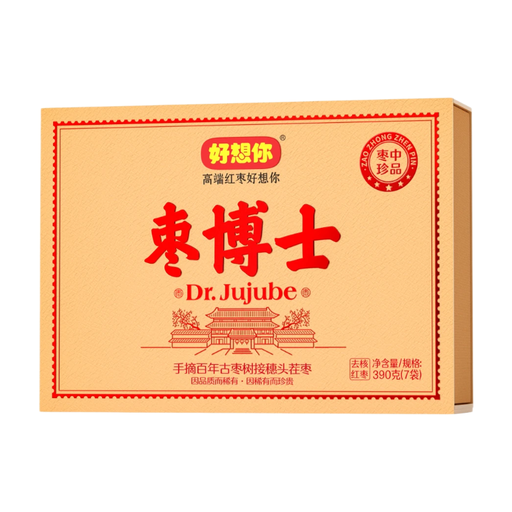 Image unavailable
Haoxiangni Dr.Jujube Premium Gold-Grade Pitted, 390g
An option to compare if you want to serve pitted jujubes without any further preparation.
The product description lists 0g of fat, 327 kcal and 50.0g of sugar per 100g.
The product description says to consume immediately after opening.
View at Joybuy
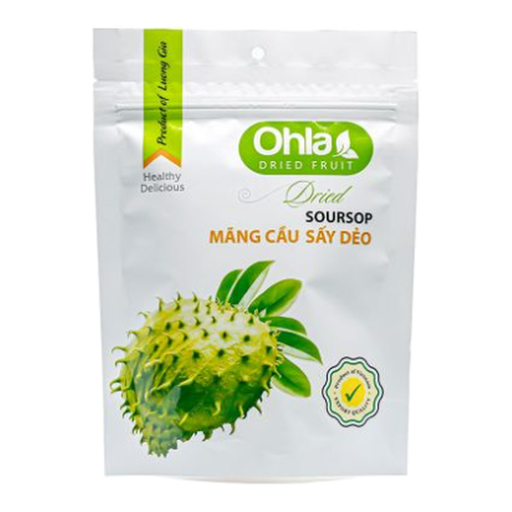 Image unavailable
OHLA Dried Soursop, 180g
This dried soursop is a different type of fruit to consider alongside dried apricots.
The product description lists 2.21g of fat, 348 kcal and 72.6g of sugar per 100g.
The ingredients list includes white sugar, glucose and sodium metabisulphite; the description recommends sealing the packet tightly after opening and storing it in a cool, dry place.
View at Joybuy
 Image unavailable
Haoxiangni Pitted Jujubes, 500g
An option to compare if you want to serve pitted jujubes without any preparation.
The product description lists 0.5g of fat, 300 kcal and 60g of sugar per 100g.
The description recommends storing below 15 °C and sealing the packet tightly after opening.
View at Joybuy
 Image unavailable
Three Squirrels Red Apricot Dried, 250g
An option to compare if you’re looking for dried apricots that are ready to eat.
The product description lists 0g of fat, 311 kcal and 62.0g of sugar per 100g.
The description mentions sulphites and recommends storing in a cool, dry place.
View at Joybuy
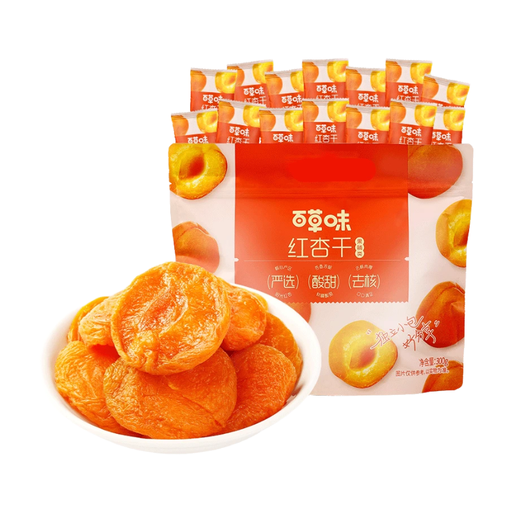 Image unavailable
Be&Cheery Dried Red Apricots, 300g
An option to compare if you want to serve dried apricots without any preparation.
The product description lists 1.0g of fat, 327 kcal and 64.5g of sugar per 100g.
The description mentions sulphites and recommends storing in a cool, dry place.
View at Joybuy
Frequently asked questions
What does ‘low fat’ mean for dried fruit?
For solid foods, the European Commission sets a maximum of 3g of fat per 100g for a ‘low fat’ claim. Check the nutritional information for the exact variety; a low fat value doesn’t automatically mean the product is also low in energy.
Does ‘no added sugar’ mean the same as ‘sugar-free’?
No. According to the Netherlands Nutrition Centre, ‘no added sugar’ doesn’t mean a product is sugar-free. Dried fruit can contain naturally occurring sugars; PLUS, for example, lists 0g of added sugar and 53.4g of total sugar per 100g.
How much dried fruit should you put out for a board game night?
Decide in advance how much you want to serve and measure it out if needed. The World Cancer Research Fund recommends a maximum of 20g of dried fruit a day; this is dietary advice, not a legal limit. The portion size shown on a packet may differ.
Can you store opened rehydrated apricots in the cupboard?
Follow the instructions on the packaging. Once opened, AH Rehydrated Dried Apricots must be kept refrigerated at a maximum of 7 °C. Don’t assume the same instructions apply to other dried fruit.
What should you look out for if guests are sensitive to sulphites?
Check the ingredients and allergen information on the packaging for the exact variety. The Food Allergy Foundation describes reactions to sulphites as intolerance reactions; the AH, Jumbo and PLUS apricots checked all list sulphites.


