
Hosts with guests who have allergies
If you're hosting a board game night, you’ll want to check which ingredients and warnings are relevant for each guest. Stichting Voedselallergie advises reading the full ingredients list for every product.


Choose dried fruit based on exactly what your guests need to avoid. Gluten-free or lactose-free does not automatically mean suitable for people with other allergies or those avoiding sulphites. The NVWA and Stichting Voedselallergie advise checking the full ingredients list and any cross-contamination warnings. Serve snacks for different dietary needs separately.
If you're hosting a board game night, you’ll want to check which ingredients and warnings are relevant for each guest. Stichting Voedselallergie advises reading the full ingredients list for every product.
You’ll want to check whether a product contains sulphites, even if it carries another dietary claim. Stichting Voedselallergie describes sulphites as a preservative that can be added to food.
You may want to serve unsweetened fruit and decide in advance how much to offer. Check both the ingredients list and the nutrition table: the Voedingscentrum distinguishes between added sugar and naturally occurring sugar.
| What to consider | What to look for | Who might find this especially important? |
|---|---|---|
| Specific allergen | Check the full ingredients list and any separate warning about possible cross-contamination. | If I’m choosing snacks for someone with a specific allergy, I want to be able to check for that substance and possible cross-contamination; around 29% of consumers prioritise suitability for a specific allergen. |
| Sulphites | Check the ingredients for E220–E228 and read the allergen information. Assess this separately from other dietary claims. | If a guest needs to avoid sulphites, I want to check this separately from, for example, a gluten-free claim; around 24% of consumers prioritise avoiding sulphites. |
| Sugar and portions | Read the ingredients and nutrition table, and decide in advance how much to serve. Unsweetened does not mean sugar-free. | If I’m serving unsweetened fruit, I also want to know how much sugar it contains naturally and plan portions in advance; around 18% of consumers focus on sugar-conscious portions. |
| Serving separately | Keep snacks for different dietary needs separate and use separate serving utensils. | For a games table with people who have different dietary needs, I want to serve snacks separately; around 18% of consumers prioritise serving food separately. |
| Quantity and leftovers | Choose a pack size that suits what you plan to serve during the evening, and follow the product’s storage instructions. | If I only want to open what will be eaten that evening, I look for a suitable quantity and consider what to do with leftovers; around 11% of consumers prioritise this. |
A gluten-free claim does not rule out other ingredients or a cross-contamination warning. For example, the AH Gewelde gedroogde abrikozen (soaked dried apricots) tested contain sulphites.
Make a note of exactly what each guest needs to avoid, then check the whole label against their needs.
Dried fruit can contain naturally occurring sugar, even when sugar isn’t listed as an added ingredient.
Read both the ingredients list and the nutrition table, and serve pre-measured portions.
Once opened, snacks can come into contact with other products or serving utensils. If you’re avoiding gluten, crumbs from other food can also be a concern.
Keep portions separate, use separate serving utensils and leave the relevant packaging handy so you can check it.
The product pages reviewed include dried mango and soaked apricots.
The varieties reviewed are dried pitted apricots and sun-dried sultana raisins.
Lidl lists dried fruit in selected stores.
The product listing reviewed is for Trader Joe’s sun-dried apricots, 250 g.
The PLUS Dried Apricots reviewed are sold in a 375 g stand-up pouch.
The product listing reviewed is for 1 de Beste Apricots, 375 g.
This selection includes freeze-dried jackfruit, dates, guava and strawberries. Check each product’s label against your guests’ specific dietary needs.
 No image available
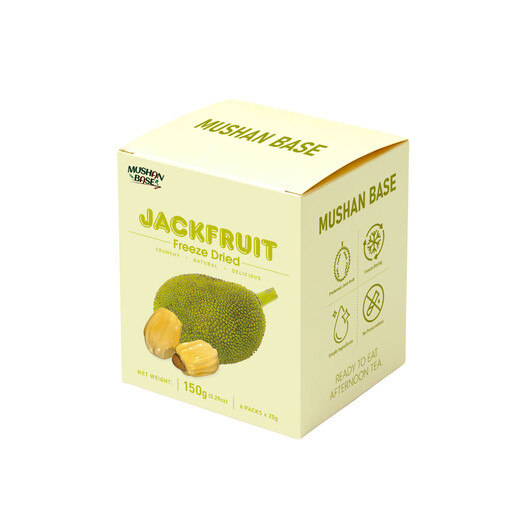
An option if you want to hand out individual portions of jackfruit; check the packaging against your guests’ specific allergen needs.
The product description lists 100% jackfruit, with no added sugar.
The pack contains six individual 25 g bags.
 No image available
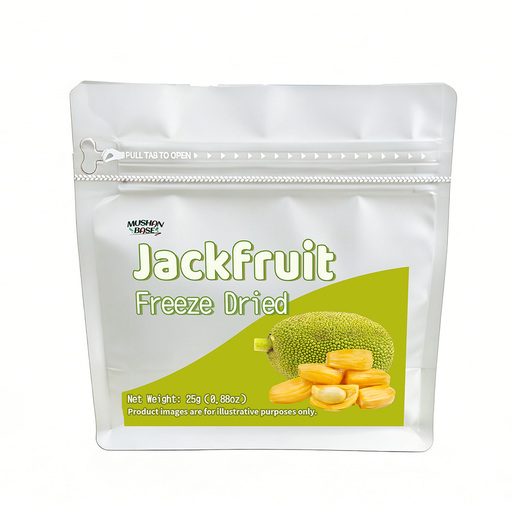
A small pack to serve as an individual fruit snack; check the label against your guests’ specific dietary needs.
The product description lists jackfruit as the only ingredient, with no added sugar.
The pack contains 25 g.
 No image available
An option if you want to serve dates as a shareable snack; check the packaging for allergens your guests need to avoid.
The product description refers to black dates and states that nothing has been added.
The pack contains 908 g.
 No image available
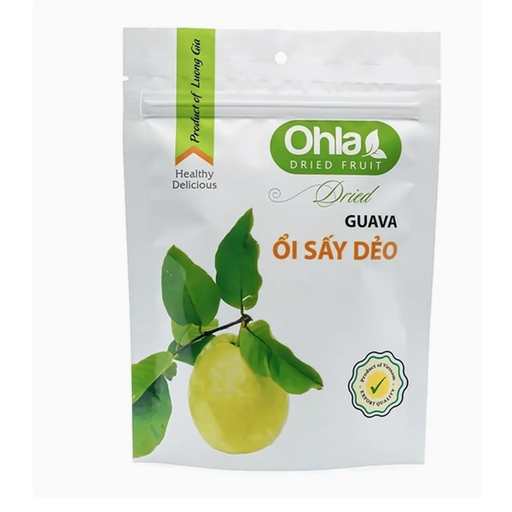
An option if you want to serve guava; check the ingredients and allergen information on the packaging for your guests.
The product description lists guava, sugar and a preservative.
The pack contains 180 g.
 No image available
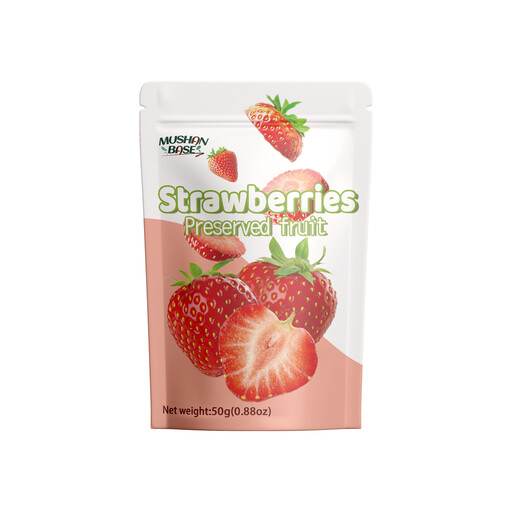
An option if you want to serve individual portions of strawberry slices; check the packaging for any specific dietary needs.
The ingredients list states dried strawberries and sugar.
The product description mentions a resealable 50 g pack.
No. Such a claim doesn’t automatically apply to other allergies or dietary needs. The European Commission sets out conditions for claims about the absence or reduction of gluten. You should also check the full ingredients list and any cross-contamination warnings.
It warns that an allergen may be present unintentionally. The NVWA states that such warnings must be based on a risk assessment. The Dutch rules on this have been in force since 1 January 2026.
No. Unsweetened doesn’t mean the fruit contains no naturally occurring sugar. Read both the ingredients list and the nutrition table to distinguish added ingredients from sugars.
Serve them in separate portions and use separate serving utensils. Keep the packaging nearby so you can check the ingredients and warnings; if you’re avoiding gluten, crumbs from other food can also be a concern.
No. Lactose intolerance and a food allergy are different types of food hypersensitivity. If someone has a milk allergy, check the ingredients and allergen information yourself; a lactose-free claim is no substitute for doing so.