
Players watching their portions
You want something sweet to snack on, while deciding in advance how much to put out. The amount you choose and its energy value are both worth considering.


Of the five varieties compared, AH Soaked Dried Apricots have the lowest declared energy value: 182 kcal per 100 g, or 36.4 kcal per 20 g (Albert Heijn, Jumbo and PLUS). Weigh out a portion in advance: the Netherlands Nutrition Centre recommends no more than 20 g of dried fruit a day, while the EU only allows a ‘low energy’ claim for solid foods containing no more than 40 kcal per 100 g.
You want something sweet to snack on, while deciding in advance how much to put out. The amount you choose and its energy value are both worth considering.
You’re sharing snacks with players who want to avoid certain ingredients. Check the ingredients and allergen information on the exact pack, and keep the details next to the bowls.
You’re looking for an amount that suits the group and want to store any leftovers properly. Pack size and storage instructions after opening can help you decide.
The Netherlands Nutrition Centre recommends no more than 20 g of dried fruit a day; take into account what someone has already eaten that day. For solid foods, the European Commission sets a limit of 40 kcal per 100 g for the ‘low energy’ claim.
| What to consider | What to look for | Who should pay particular attention? |
|---|---|---|
| Portion and energy | Compare kcal per 100 g and calculate the amount for the weight you’re putting out. | If I want something sweet during a long game night, weighing out a portion helps me limit how much I eat; around 42% of consumers prioritise calorie control. |
| Ingredients and allergens | Read the ingredients and allergen information on the exact pack. | If I’m sharing snacks with players who need to avoid certain ingredients, I want to be able to check what each variety contains; around 25% of consumers prioritise suitability for their needs. |
| Serving and storage | Check for warnings about any remaining stones and instructions for after opening. | If I want to serve snacks easily during the game and store any leftovers properly, I check the instructions for use; around 17% of consumers prioritise ease of serving and storage. |
| Quantity for the group | Compare the pack weight with the amount the players want to eat. | If I’m shopping for several players, I want to choose a pack that suits the group and avoids unnecessary leftovers; around 16% of consumers prioritise planning the quantity. |
A product can state that it contains no added sugars and still be high in energy per 100 g. For example, PLUS lists 0 g of added sugars and 282 kcal per 100 g.
Check both the ingredients and the energy value per 100 g. A small portion doesn’t change the product’s values per 100 g.
A value for a 20 g portion can’t be compared directly with one for a 30 g portion. Comparing different weights can therefore give you a misleading picture.
Calculate both varieties for the same weight before comparing them.
Jumbo’s page for Organic Dried Apricots 250 g says that the product is no longer in its online range.
Check the order status of the exact variety before planning your shopping around it.
The product range reviewed includes soaked apricots and soft, pitted prunes.
The own-brand options reviewed are pitted dried apricots and pitted prunes.
Alesto is Lidl’s relevant dried fruit range, which includes mango strips.
The Dutch ALDI product page identifies TRADER JOE'S Sun-Dried Apricots in a 250 g pack.
PLUS Dried Prunes is a relevant own-brand variety to compare using its nutritional information.
Dirk lists pitted apricots in a 200 g pack.
This selection includes different types of dried fruit and pack formats. Check the energy value, ingredients and quantity for each exact variety; a product’s name alone doesn’t mean it’s low in calories.
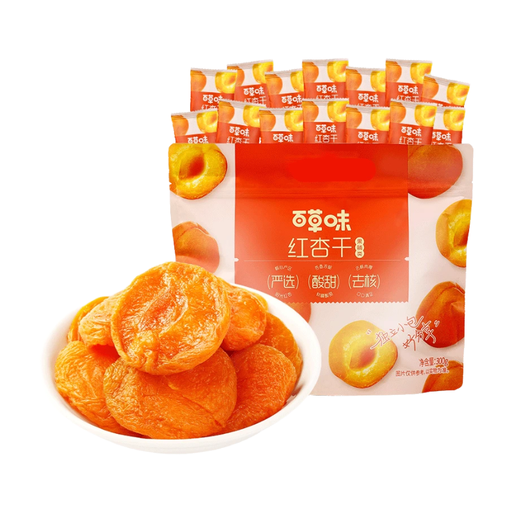 No image available
Weigh out the amount you want to put out for game night in advance, and check the nutritional information and ingredients for this variety on the pack.
 No image available
The product information lists red dates as the only ingredient and 300 kcal per 100 g; compare this value with the amount you’re putting out.
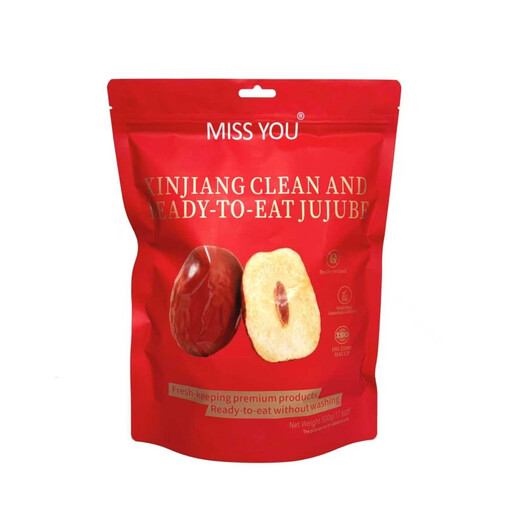 No image available
The product information lists jujubes as the only ingredient and gives a value of 304 kcal per 100 g. Use the nutritional value per 100 g to calculate your chosen portion.
 No image available
According to the product information, the pack contains 10 boxes of 14 g. The same information says the product is suitable from 12 months and that young children should be supervised while eating.
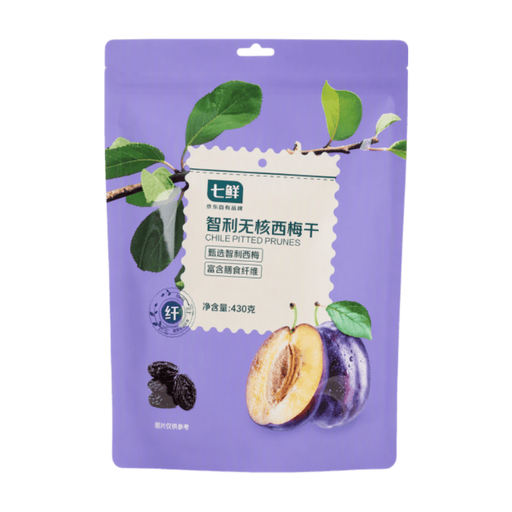 No image available
The product description lists 283 kcal per 100 g and recommends consuming the contents straight after opening. Bear this in mind when choosing a pack for a group.
The Netherlands Nutrition Centre recommends no more than 20 g of dried fruit a day. Setting aside no more than this amount in advance is a practical way to manage snacks for game night; take into account any dried fruit someone has already eaten that day.
No, a small portion doesn’t change the energy value per 100 g. According to the European Commission, the ‘low energy’ claim for solid foods is limited to products containing no more than 40 kcal per 100 g.
First compare the declared kcal per 100 g, then calculate the value for the same portion weight. Among the varieties reviewed, Albert Heijn lists 182 kcal per 100 g for soaked apricots, Jumbo lists 237 kcal per 100 g for pitted apricots, and AH lists 254 kcal per 100 g for soft prunes; Jumbo and PLUS list 282 kcal per 100 g for their prunes.
Follow the instructions for the exact variety. Albert Heijn says to refrigerate its soaked apricots after opening at a maximum of 7 °C; for the dried prunes reviewed, Jumbo recommends storing them in a cool, dry, dark place.
Check the allergen information on the pack for the exact variety and keep the details by the bowl. The Netherlands Food and Consumer Product Safety Authority (NVWA) says allergen information must appear on the label of prepacked foods; for the apricots reviewed, Jumbo lists sulphites and the possible presence of nuts, peanuts and sesame.