
Film snackers watching their fat intake
You want to check the fat content of the exact product and avoid mistaking a nutrition claim for proof that a snack is low in calories.


Choose dried fruit for a lower-fat film night based on the nutritional information for the exact product, not just its name: general nutritional values for apricots are not a product-specific claim. Compare fat, energy and sugars per 100 g, and set aside a small portion in advance; the Netherlands Nutrition Centre recommends a maximum of 20 g of dried fruit per day.
You want to check the fat content of the exact product and avoid mistaking a nutrition claim for proof that a snack is low in calories.
You’re looking for something sweet to enjoy during a film, but want to decide how much to eat in advance and distinguish between naturally occurring and added sugars.
You prefer soaked apricots or fruit strips and want to choose the product format that suits your snacking preferences. Descriptions such as ‘soft’ or ‘juicy’ come from sellers; they are not independent taste assessments.
First compare the nutritional values per 100 g, then decide on your portion, and finally consider texture, ingredients and pack size.
| What to consider | What to look for | Who it matters most to |
|---|---|---|
| Fat and nutrition claims | Compare fat per 100 g and read the exact claim on the packaging. According to the European Commission, ‘low fat’ for solid foods means no more than 3 g of fat per 100 g; this does not automatically determine the requirements for ‘reduced fat’. | If fat content is my main priority, I want to compare the values for the product I’ve chosen on the same basis; around 31% of consumers prioritise fat content. |
| Portion, energy and sugar | Weigh your portion in advance and check the energy and sugars on the label. The Netherlands Nutrition Centre recommends a maximum of 20 g of dried fruit per day; this is dietary guidance, not a legal limit on purchases. | I want something sweet during the film, but I decide on my portion in advance and keep an eye on sugar too; around 25% of consumers prioritise portion size and sugar. |
| Texture | Consider whether you’d prefer soaked apricots, soft fruit or strips. Also check for any warnings about fragments of stones that may remain. | If I prefer soft fruit or strips, I choose based on the product format; around 19% of consumers give texture top priority. |
| Ingredients if you have a sensitivity | If you have a relevant sensitivity, check the ingredients and allergen information on the exact pack. Sulphites may be listed as E220 to E228. | If I have a relevant intolerance or allergy, I want to check the ingredients and allergen information before choosing; around 13% of consumers prioritise these checks. |
| Pack size | Compare the net contents and consider how many portions you’ll use later. Follow the storage instructions on the packaging of the product you choose. | For several snacking occasions, I want a pack size that lets me store any leftovers; around 12% of consumers focus mainly on pack size and leftovers. |
The Netherlands Nutrition Centre’s general nutrition table lists 0 g of fat, 26 kcal and 5 g of sugars for one dried apricot weighing 9 g. These are general values per piece, not an analysis of a specific supermarket product.
Compare fat, energy and sugars together, and keep track of how much you actually eat.
A 250 or 375 g bag is not a recommended portion. The Netherlands Nutrition Centre recommends a maximum of 20 g of dried fruit per day.
Weigh out a portion in advance and store the rest according to the instructions on the packaging.
A product range may include several types of snacks. Words such as ‘juicy’, ‘soft’ or ‘tasty’ do not describe the fat content.
First check which fruit product you’re buying, then look at the label for the exact product.
The Netherlands Nutrition Centre officially classifies reactions to sulphites as an intolerance and lists sulphites under E220 to E228.
If you have a relevant sensitivity, read the ingredients and allergen information on the packaging.
The AH product range reviewed includes soaked dried apricots.
The options reviewed include organic dried apricots and 250 g packs of soaked apricots.
Alesto includes dried fruit, such as dried mango strips.
The option reviewed is Trader Joe’s Sun-dried Apricots in a 250 g pack.
PLUS Dried Apricots are sold in a 375 g stand-up pouch.
The option reviewed is 1 de Beste Apricots in a 375 g pack.
These Joybuy products are dried fruit options for snacking. Compare the nutritional values and ingredients on the packaging of the exact product; the product names alone do not confirm that a product meets a reduced-fat claim.
 No image available
An option if you’re looking for pitted red dates to snack on during a film.
The product name states that the pack contains 390 g. Compare the nutritional values per 100 g and the ingredients for the exact product.
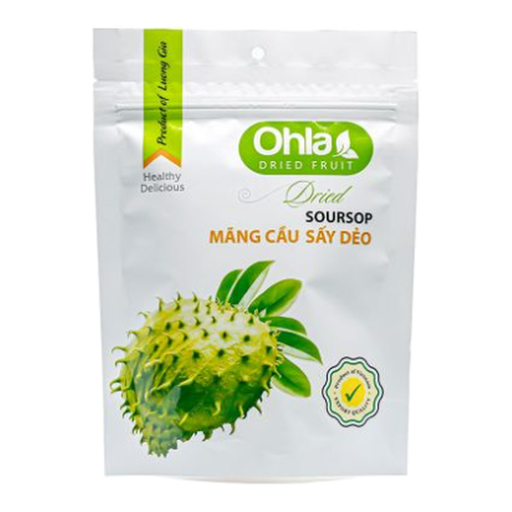 No image available
An option if you’d like to compare dried soursop with other types of fruit for film-night snacking.
The product name states that the pack contains 180 g. Check the nutritional values and ingredients for this product on the packaging.
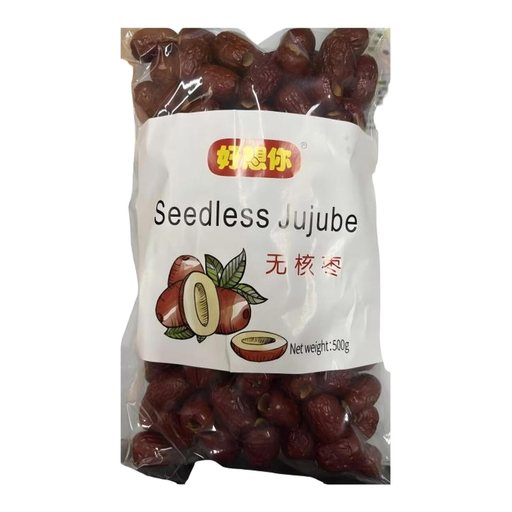 No image available
This product is for anyone looking for pitted red dates as a dried fruit snack.
The product name states that the pack contains 500 g. Check the nutritional values and ingredients on the exact pack.
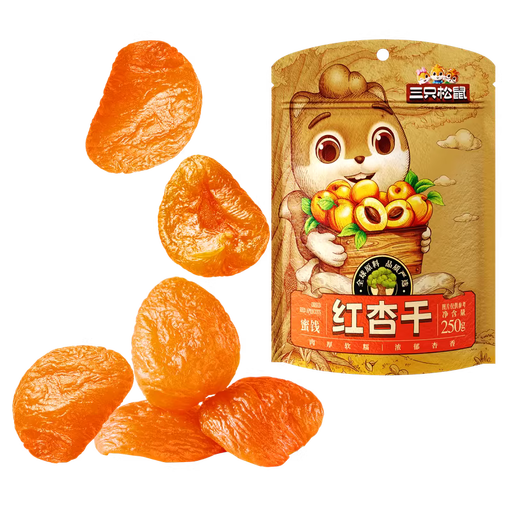 No image available
An option if you’re looking for dried apricots to enjoy as a portion during a film.
The product name states that the pack contains 250 g. Check the ingredients and nutritional values for the exact product before comparing it with other apricots.
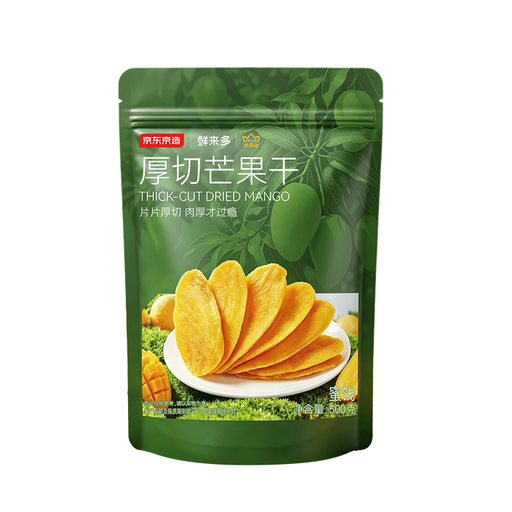 No image available
An option if you’d like to compare dried mango as a fruit snack with other types of fruit.
The product name states that the pack contains 500 g and describes the product as a fruit snack and preserved and candied fruit. Check the ingredients and nutritional values on the packaging.
For solid foods, the European Commission’s ‘low fat’ claim means no more than 3 g of fat per 100 g. Check the value on the exact pack; a rounded figure per small piece is based on a different amount.
The pack contents are not a portion recommendation. The Netherlands Nutrition Centre recommends a maximum of 20 g of dried fruit per day; weigh out your portion in advance and bear in mind any other times you eat dried fruit that day.
Follow the storage instructions on the exact pack. For dried mixed fruit, the Netherlands Nutrition Centre recommends storing it in a cool, dry, dark place in a well-sealed container, and gives a storage period of 6–9 months for an opened pack; this period does not automatically apply to other products.
The Netherlands Nutrition Centre officially classifies reactions to sulphites as an intolerance, although they are often referred to as a ‘sulphite allergy’. If you have a relevant sensitivity, check the ingredients for sulphites and E220 to E228, and read the allergen information on the exact pack.
Follow the information on the pack you choose and watch out for any stone fragments while eating. Jumbo warns that a stone or part of one may remain in its soaked apricots despite checks.