Choose dried fruit based on the substance you want to avoid, and check the ingredients list and any warning about possible cross-contamination. The words ‘free from’ or ‘natural’ are not, by themselves, proof that a product is safe for you. Then check for added sugar and decide how much you want to weigh out. Check the cinema’s rules before your visit, too.
Who is this guide for?
Film fans avoiding an allergen
If you avoid a particular allergen, compare the ingredients list and any warnings about possible presence. The Voedingscentrum explains that these warnings indicate a chance that the allergen may be present; a general product category is no proof that a product is safe for you.
Snack buyers keeping an eye on sulphites
If sulphites are a concern for you, check the product information specifically for this substance. Stichting Voedselallergie describes reactions to sulphites as intolerance reactions, not allergic reactions.
Film fans who like to keep an eye on portions
If you’re looking for an unsweetened option or want to weigh out a small amount in advance, compare the ingredients and nutritional information for the option you choose. A large pack isn’t automatically one portion.
What should you look for when buying?
First, check that the ingredients are suitable for you and don’t contain the substance you want to avoid. Then look at the sugar information and decide how much you want to weigh out for your film night.
| What to consider |
What should you check? |
Who is this important for? |
| Allergens and warnings |
Read the ingredients list and any warnings about possible presence of the specific allergen you avoid. |
If you avoid a particular allergen, check both the ingredients and the warnings; around 36% of consumers put allergen choice first. |
| Sulphites |
Check the product information specifically for sulphites, sulphur dioxide and relevant preservatives. |
If you’re sensitive to sulphites, you’ll want to check this substance in particular; around 29% of consumers give avoiding sulphites top priority. |
| Unsweetened ingredients |
Check the ingredients and compare the nutritional information per 100 g; unsweetened doesn’t automatically mean allergen-free. |
If you want to avoid added sugar, start with the ingredients; around 21% of consumers prioritise an unsweetened option. |
| Portion and packaging |
Weigh out an amount in advance and follow the storage advice on the pack. The Voedingscentrum recommends a maximum of 20 g of dried fruit per day. |
If you’re planning to weigh out an amount in advance for a film night, pack size and storage matter; around 14% of consumers prioritise portion convenience. |
Common pitfalls
-
Assuming all dried fruit is allergen-free
Products in the same category can have different ingredients and warnings. Albert Heijn, for example, also lists fruit and nut mixes containing almonds or cashews.
Check the ingredients and warnings on the exact product you’re buying for the allergen you want to avoid.
-
Assuming ‘no preservatives’ means free from all allergens
Jumbo describes its 250 g pack of organic dried apricots as having ‘no preservatives’. This product detail alone doesn’t tell you whether a product is free from sulphites or other allergens.
Check the current product information specifically for the substance you want to avoid.
-
Treating a large bag as one film-night portion
ALDI lists raisins in a 500 g pack, while Dirk sells them in a 750 g pack. The Voedingscentrum recommends a maximum of 20 g of dried fruit per day, so the pack size isn’t a recommended portion.
Weigh out an amount in advance and follow the storage advice for the rest of the pack.
-
Forgetting to check the cinema’s rules
Pathé Business’s official information for school visits says that food and drink brought in from outside may not be consumed there. This doesn’t confirm which rules apply to every individual visit.
Check the conditions for your venue and visit before taking snacks with you.
Brands to consider
Albert Heijn
The range includes dried fruit on its own, unsweetened pineapple and fruit and nut mixes.
- AH lists organic dried pineapple with no added sugar.
- An ‘unsweetened’ label isn’t an allergen guarantee; check the current packaging as well.
Jumbo
Options to consider include pitted dried apricots, 250 g, and organic dried apricots, 250 g.
- Jumbo describes its 250 g pack of organic apricots as having ‘no preservatives’.
- This description doesn’t automatically apply to other options, nor does it prove that the product is free from all allergens.
Lidl
Lidl Netherlands has a product listing for dried fruit.
- The listing can be a starting point for finding a suitable option.
- The product page lists selected stores; it doesn’t guarantee nationwide availability or specify that the product is free from particular ingredients.
ALDI
ALDI Netherlands lists Trader Joe’s raisins in a 500 g pack and sun-dried apricots in a 250 g pack.
- The product information describes the apricots as soft.
- ‘Sun-dried’ doesn’t guarantee that a product is free from allergens; check the information for the current option.
PLUS
PLUS lists dried apricots in a 375 g stand-up pouch.
- The pack size can help you plan how much to set aside for several occasions.
- PLUS warns that product information may change and advises customers to check the current packaging.
Dirk
Dirk lists raisins in a 750 g pack.
- The net weight is useful when planning portions.
- Pack size doesn’t tell you whether a product is suitable for a particular diet; check the product information.
Dried fruit at Joybuy
This product selection focuses on unsweetened dried fruit and portions you can weigh out yourself.
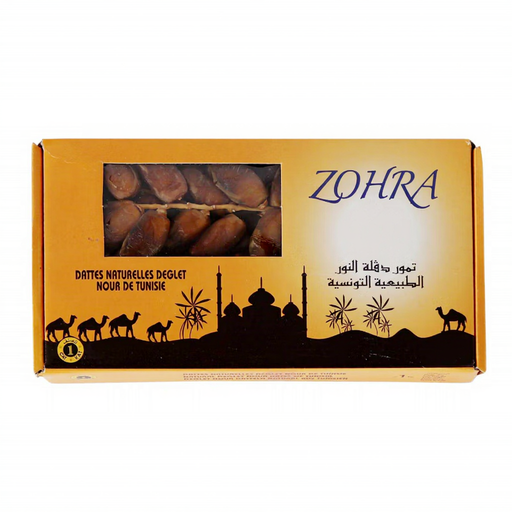 Image unavailable
Zohra Dates dried dates, 1 kg
An option if you’re looking for dried fruit with no added sugar: the product description says it contains 100% dried dates, with no added sugars. This doesn’t tell you whether the product contains allergens or may have been cross-contaminated; check the current product information for that.
A 1 kg pack isn’t a recommended portion. The Voedingscentrum recommends a maximum of 20 g of dried fruit per day.
View product
Frequently asked questions
What should you check on packaging in the Netherlands if you avoid an allergen?
Read the ingredients list and check for any warnings about possible presence, too. The NVWA explains that allergen information must appear on the label of prepacked products; the Voedingscentrum says that a warning such as ‘may contain’ indicates a chance that the allergen may be present.
Is sulphite sensitivity the same as a food allergy?
No. Stichting Voedselallergie describes reactions to sulphites as intolerance reactions, not allergic reactions. Sulphites may still be relevant when choosing dried fruit, so check the product information if you need to avoid them.
How much dried fruit can you weigh out for a film night?
The Voedingscentrum recommends a maximum of 20 g of dried fruit per day. This is dietary advice, not a legal limit for purchases or an individual assessment of an intolerance.
Can you take dried fruit you’ve bought yourself into Pathé?
Pathé Business’s official information for school visits says that food and drink brought in from outside may not be consumed there. This doesn’t confirm which rules apply to individual visits, so check the conditions for your venue and visit.
How should you store an opened bag of dried fruit?
Follow the storage advice on the packaging for the option you’ve chosen. The Voedingscentrum explains that the label tells you how best to store the product; don’t assume that all types of dried fruit have the same storage life.


