Choose dried fruit based on the specific ingredients you or your guests need to avoid, rather than relying on a general ‘free from’ label. Gluten-free, lactose-free and no added sugar do not mean the same thing, and none of these claims proves that a product is suitable for all allergies. So check the full ingredients list, any relevant dietary claims and allergen warnings on the current packaging.
Who is this relevant to?
Snack shoppers with a list of ingredients to avoid
You’re buying for someone who needs to avoid a specific allergen or follows a gluten-free diet. You need product-specific ingredients, dietary claims and warnings; a general promise that something is allergen-free isn’t enough.
People avoiding sulphites
You want to know whether the sulphite information is relevant to your dietary restriction. Dried apricots need extra checking: the supermarket products reviewed list sulphites.
Film night planners keeping an eye on portions
You’re looking for a fruit snack to share, while keeping an eye on added sugar, total sugars, portions and leftovers. No added sugar doesn’t mean sugar-free.
What should you look for when buying?
First, work out which ingredients someone needs to avoid. Then compare sugar and portion sizes, and choose a pack that suits the number of people.
| What to consider |
What should you check? |
Who is this relevant to? |
| Allergens and dietary claims |
Read the ingredients and any separate warnings. Check that a gluten-free or lactose-free claim matches the dietary restriction. |
If you’re buying for someone with a specific allergy or dietary restriction, check every relevant statement. Around 36% of consumers put a specific need to avoid certain ingredients first. |
| Sulphites |
Look for sulphur dioxide, sulphites and preservatives E220–E228; don’t rely on a gluten-free claim alone. |
If you need to avoid sulphites, make sure the product information actually covers that restriction. Around 29% of consumers put avoiding sulphites first when buying. |
| Sugars and portions |
Check both added sugar and sugars per 100 g, and decide in advance how much you’ll serve. |
If you want to avoid added sugar or measure out a portion, check the total sugars too. Around 21% of consumers prioritise sugar and portion size. |
| Packaging and storage |
Compare the net weight and follow the storage instructions and use-by or best-before information on the packaging. |
For a film night with a particular group, you’ll want to buy an appropriate amount and store any leftovers properly. Around 14% of consumers start by considering quantity and ease of storage. |
Common mistakes
-
Assuming ‘free from’ means free from all allergens
A dietary claim applies to the property stated; it doesn’t automatically cover other allergens. For example, AH Soaked Dried Apricots are labelled gluten-free and also list sulphites.
First, establish which substances need to be avoided. Then check the exact product’s ingredients and warnings.
-
Checking only the name of the fruit
The product name doesn’t tell you about all added ingredients or possible cross-contamination warnings. Jumbo Dried Apricots Without Stones list sulphites and, according to the product information, may contain nuts, peanuts and sesame.
Read the full ingredients list and allergen warnings on the packaging.
-
Confusing no added sugar with sugar-free
Albert Heijn’s product page lists 0 g of added sugars and 59 g of sugars per 100 g for AH Raisins. These figures describe different things.
Check both the ingredients and the nutritional information, and spoon a portion into a bowl in advance rather than treating the whole bag as one serving.
-
Assuming ‘stoneless’ is an absolute guarantee
The product page for AH Soaked Dried Apricots warns that a stone may accidentally remain in the product.
Read the usage warnings too, particularly if a remaining stone could pose a risk to someone at the table.
Brands to consider
Albert Heijn
The products reviewed are AH Raisins 250 g and AH Soaked Dried Apricots 250 g.
- The product information describes the raisins as gluten-free and lactose-free, and the apricots as gluten-free.
- The apricots contain sulphites. These product characteristics don’t automatically apply to other products from the brand.
Jumbo
Jumbo Dried Apricots Without Stones 250 g is a specific example where allergen information matters.
- The product information states that the product contains 99.8% apricots.
- The product lists E220 and sulphites and, according to the product information, may contain nuts, peanuts and sesame. It’s therefore not a general allergen-free choice.
Lidl
Alesto includes dried fruit and nuts, including apricots.
- The product range includes examples in the dried fruit category.
- A product range or selection page won’t tell you whether a specific pack suits your list of ingredients to avoid. Check the exact label.
Aldi
The Dutch ALDI page reviewed lists Trader Joe’s raisins in a 500 g pack.
- The pack size can help you estimate how much you’ll need to share and whether there may be leftovers.
- The product listing isn’t a general free-from guarantee; check the information on the exact pack.
PLUS
The examples reviewed are PLUS Sultana Raisins 375 g and PLUS Dried Apricots 375 g.
- The product information describes the sultana raisins as gluten-free and lactose-free.
- The apricots contain E220 and sulphites. PLUS says that product information may change, so check the current packaging.
Dirk
The Dirk search page reviewed shows a range of products under the 1 de Beste label, including sultanas, golden raisins, cranberries, pitted prunes and apricots.
- The listings provide examples of dried fruit in the range.
- A product listing doesn’t prove that a product is gluten-free, lactose-free or suitable for any other list of ingredients to avoid. Check the product information on each pack.
Dried fruit at Joybuy
These Joybuy products are freeze-dried jackfruit and raisin snacks. Check the ingredients information and warnings for each product to see whether it’s suitable for your specific list of ingredients to avoid.
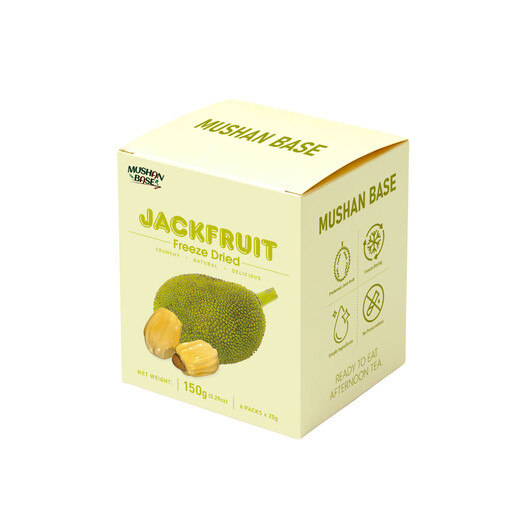 Image unavailable
MUSHAN BASE Freeze-Dried Jackfruit, 150 g (25 g x 6)
The six individual pouches are designed to be shared as a snack.
The pack contains 150 g in six 25 g pouches. The product information lists jackfruit as the only ingredient and says there is no added sugar.
The statement ‘Contains: None’ isn’t an independent test or a general guarantee that the product suits every individual list of ingredients to avoid.
View at Joybuy
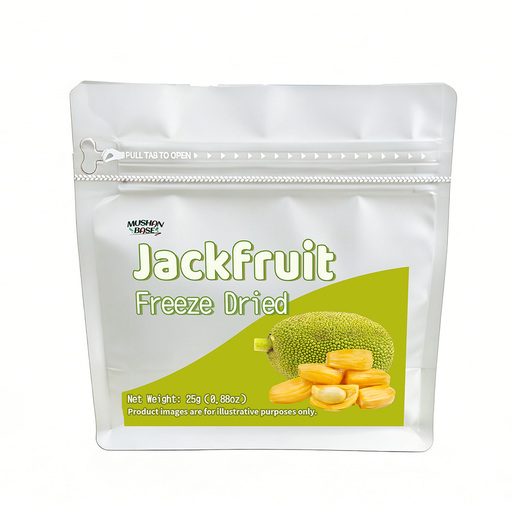 Image unavailable
MUSHAN BASE Freeze-Dried Jackfruit, 25 g
The 25 g pack is a handy single-serve option if you want to take a small amount with you or serve it.
The product information lists jackfruit as the only ingredient and says there is no added sugar.
The statement ‘Allergens: None’ isn’t an independent test or a general guarantee that the product suits every individual list of ingredients to avoid.
View at Joybuy
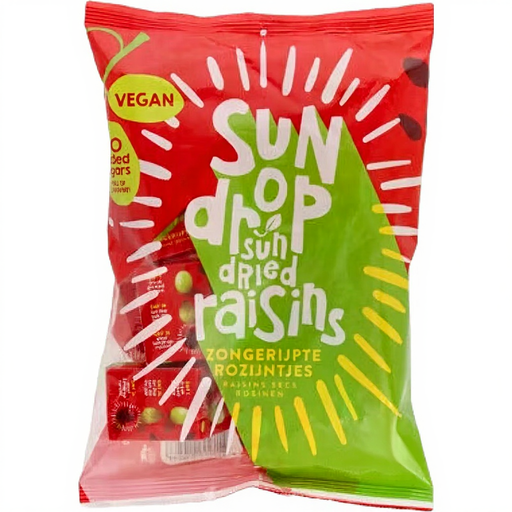 Image unavailable
Sundrop Mini Raisin Handouts, 252 g
The product information describes this as a raisin snack and includes storage advice for after opening.
The product information lists 99.5% raisins and sunflower oil.
The product description states that it doesn’t contain any of the 14 major EU allergens. This isn’t a general guarantee for every individual allergy, so check the current packaging.
View at Joybuy
Frequently asked questions
Is a gluten-free fruit snack automatically suitable for all food allergies?
No. For example, AH Soaked Dried Apricots are labelled gluten-free and also list sulphites. Assess each dietary restriction separately by checking the full ingredients list and warnings.
What allergen information must appear on a pre-packed snack?
According to the NVWA, mandatory allergen information covers 14 specified allergens. Allergens present as ingredients must be listed in the ingredients list. This requirement doesn’t mean that a product is suitable for every possible allergy.
What does a ‘may contain’ warning mean in the Netherlands?
According to the NVWA, Dutch rules for warnings about accidental allergens have applied since 1 January 2026. The permitted wording is ‘May contain X’ and ‘Not suitable for people with an X allergy’. Consider the warning in relation to the specific allergy.
Should I read the packaging again if I’ve bought the same product before?
Yes. Stichting Voedselallergie advises reading the full ingredients list again for every product and every purchase. Check the warnings too, especially if the packaging or recipe has changed.
Are raisins with no added sugar sugar-free?
No. Albert Heijn’s product page lists 0 g of added sugars and 59 g of sugars per 100 g for AH Raisins. So pay attention to the amount you serve as well. The Voedingscentrum recommends a maximum of 20 g of dried fruit per day; this is dietary advice, not an allergen safety limit.


