What should you look for in dried fruit for a festival?
First, check for the substance you need to avoid. Then consider the packaging, quantity and nutritional information for when you’re out and about.
| What to consider |
What to look for |
Who is this particularly relevant for? |
| Your specific allergen |
Read the ingredients, allergen information and warnings about possible cross-contamination on the packaging. |
If I need to avoid a particular allergen, I want to assess the information for this specific product. Around 39% of consumers put avoiding a specific allergen at the top of their shopping priorities. |
| Sulphites |
Check the sulphite information and preservatives E220–E228; colour or a sun-dried claim does not prove that the product is suitable. |
If I have a sulphite intolerance, I want to be able to check that information in particular, even if other product features appeal to me. Around 23% of consumers put sulphite information first. |
| Ease of carrying |
Compare the pack weight with the amount you want to take, and follow the storage advice for your chosen product. |
If I want to prepare an amount for the festival in advance, packaging that lets me measure out the contents is useful. Around 23% of consumers say ease of carrying is their main consideration. |
| Sugars and portion size |
Check the nutritional values per 100 g and consider how much you’ll actually eat; no added sugar does not automatically mean low in sugar. |
If I’m watching my sugar intake, I want to consider both the nutritional information and my planned portion. Around 15% of consumers make choosing with sugar in mind their top priority. |
The World Cancer Research Fund advises eating no more than 20 g of dried fruit a day. This is dietary advice from that organisation, not a legal limit or personal medical advice.
Dried fruit at Joybuy
These Joybuy products are fruit options to take with you; always check the packaging to make sure they’re suitable for your dietary needs.
 No image available
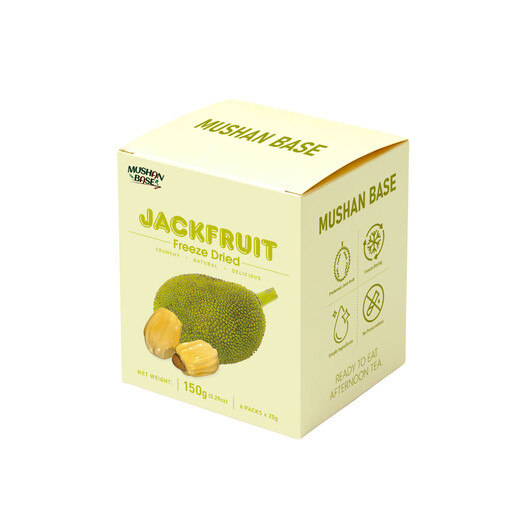
MUSHAN BASE freeze-dried jackfruit, 150 g (6 × 25 g)
The six individual bags may suit you if you want to take smaller portions with you; check the dietary information on the packaging first.
The product name gives a total weight of 150 g and six bags of 25 g.
Joybuy
 No image available
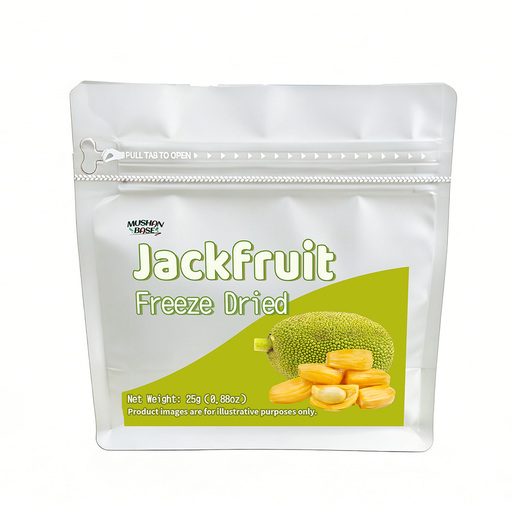
MUSHAN BASE freeze-dried jackfruit, 25 g
This fruit option may suit you if you want to take a small amount with you; check the ingredients and warnings on the packaging for your dietary needs.
The product name gives a pack size of 25 g.
Joybuy
 No image available
Zohra Medjool dates (M), 908 g
These dates are a fruit option to take with you, once you’ve checked the product information against your dietary needs.
The product name gives the date variety as Medjool, the size as M and the pack weight as 908 g.
Joybuy
 No image available
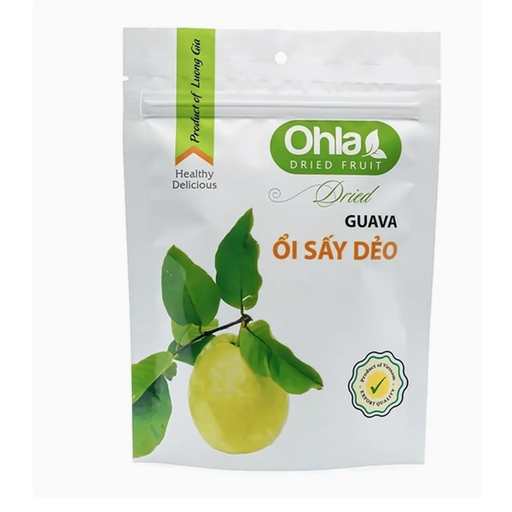
OHLA dried guava, 180 g
Dried guava is a fruit option for when you’re out and about; check the ingredients and allergen information for this variety before choosing it.
The product name gives a pack size of 180 g.
Joybuy
 No image available
Haoxiangni pitted red dates, 500 g
This fruit option may suit you if you’re looking for a pitted product to take with you; check the full product information against your dietary needs.
The product name gives the variety as pitted red dates and the pack weight as 500 g.
Joybuy
Frequently asked questions
What allergen information should I check on a packaged snack?
The NVWA says allergen information for prepacked products should appear on the label. Check the information for the allergen you need to avoid; a label claim is not a general guarantee that a product is suitable for every dietary need.
How can I check for sulphites in dried fruit?
Check specifically for sulphite information and preservatives E220–E228. The Food Allergy Foundation lists dried fruit as a relevant product category; a sun-dried claim or a particular colour is no substitute for checking.
What do warnings about possible cross-contamination mean?
The Dutch Coeliac Association describes this type of warning as information about a possible risk, not proof that every pack contains the substance in question. Take into account any warning relevant to your diet, and follow the dietary guidance that applies to you.
Can I use storage advice for raisins for apricots too?
Not necessarily: the advice from the Netherlands Nutrition Centre is for raisins. For opened raisins, it recommends storing them in a kitchen cupboard and gives a storage period of 6–9 months; follow the packaging instructions for other fruit products.
How much dried fruit can I portion out in advance?
The World Cancer Research Fund advises eating no more than 20 g of dried fruit a day. Treat this as dietary advice from that organisation, not a legal limit or personal medical instruction.
What should I do if the online product information differs from the packaging?
Use the information on the packaging of the product you’ve bought, and check the latest product details. Albert Heijn and PLUS note that product information can change and direct customers to their customer or consumer services with any questions.


