What should you look for when choosing?
First compare the nutritional values for the same amount, then check whether you can follow the storage advice during the festival.
| What to consider |
What to look for |
Who should pay particular attention? |
| Energy in your portion |
Compare kcal per 100 g and work out how much that is for the weight you’ll eat. For solid foods, the European Commission sets a maximum of 40 kcal per 100 g for a ‘low-calorie’ claim. |
If I want to weigh my snack portion, I look at the energy in that portion, not just the packaging. Around 36% of consumers put the energy in a portion first. |
| Storing it while you’re out |
Read the instructions for before and after opening. Albert Heijn says to refrigerate the rehydrated apricots after opening, at a maximum of 7 °C; other products may have different instructions on the label. |
If you won’t have access to a fridge, you’ll want to know in advance whether you can follow the advice on the day of the festival or at the campsite. Around 29% of consumers prioritise being able to store a product appropriately. |
| Ingredients and allergens |
Check the ingredients, added sugars, allergen information and precautionary warnings separately. The Netherlands Food and Consumer Product Safety Authority (NVWA) explains the rules for allergen information on pre-packed food. |
If certain ingredients or allergens are a deciding factor for me, I check the exact packaging before choosing. Around 21% of consumers put ingredients or allergens first. |
| Quantity and packaging |
Choose a pack size based on how much you want to take and share; for example, 375 g at PLUS and 500 g at Jumbo. |
If you want to take enough without buying more than you need, weigh the pack size against how much you plan to use. Around 14% of consumers prioritise the quantity they buy and the cost. |
Dried fruit at Joybuy
These Joybuy picks are dried fruit snacks to take with you. Compare the stated energy per 100 g with the portion you plan to eat; for solid foods, the European Commission sets a maximum of 40 kcal per 100 g for a ‘low-calorie’ claim.
 No image available
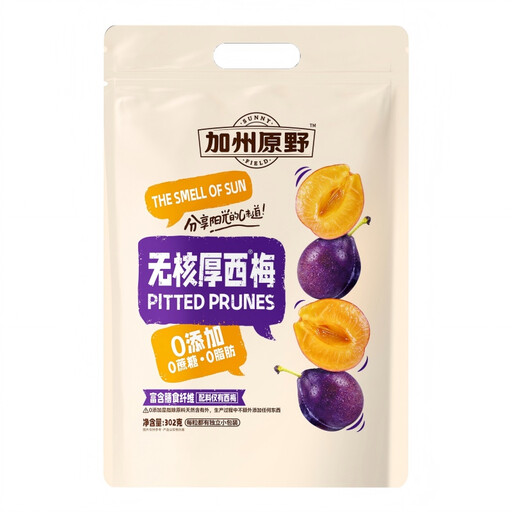
Jiazhouyuanye Thick Pitted Prunes 302 g
An option if you’re looking for prunes with a short ingredients list to take as a snack.
The listed ingredient is prunes; the stated energy is 224 kcal per 100 g.
The storage advice is to keep in a cool, dry place.
Joybuy
 No image available
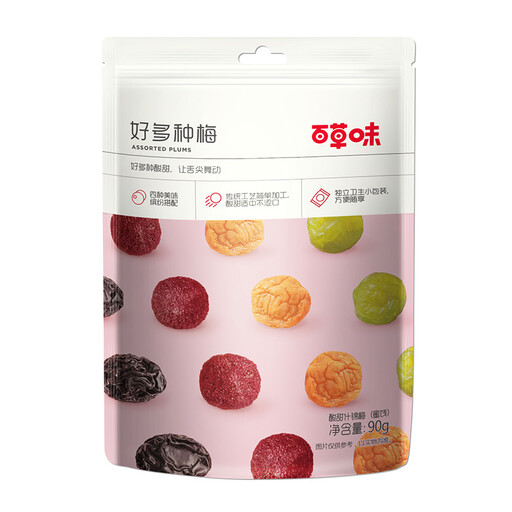
Be&Cheery Various Dried Plum 90 g
A dried plum snack to take with you; check the ingredients if you’re keeping an eye on sugar or salt.
The stated energy is 68 kcal per 100 g. The ingredients information lists white sugar and sweeteners; the salt content is 3,0 g per 100 g.
The storage advice is to keep in a cool, dry place.
Joybuy
 No image available
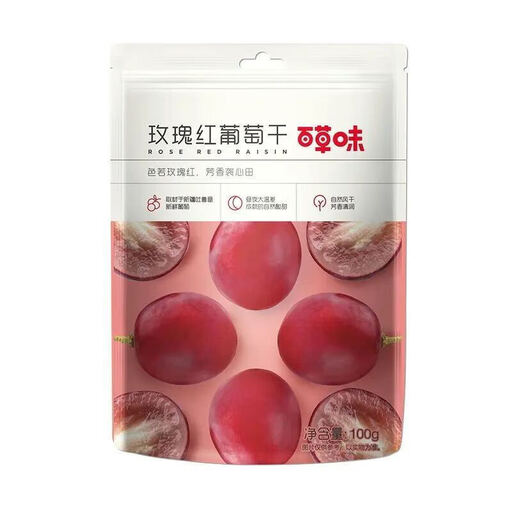
Be&Cheery Rose Red Raisins 100 g
A snack option if you’re looking for raisins that are ready to eat.
The ingredients information lists red currant raisins as the only ingredient; the stated energy is 330 kcal per 100 g.
The storage advice is to keep in a cool, dry place.
Joybuy
 No image available
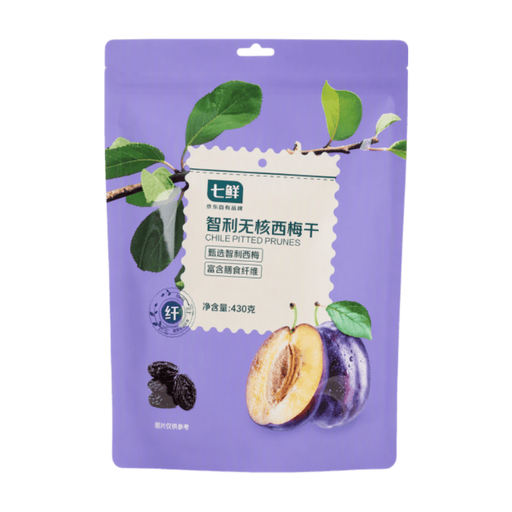
7FRESH Pitted Prunes 430 g
A pack of dried prunes that you can divide into snack portions.
The stated energy is 283 kcal per 100 g, and the ingredients information lists dried prunes.
The storage advice is to keep in a cool, dry place.
Joybuy
 No image available
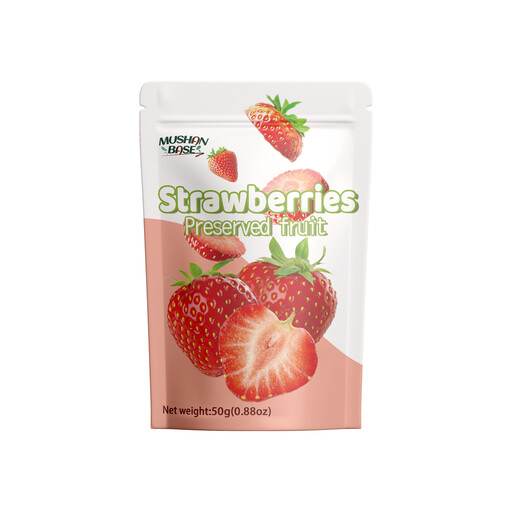
MUSHAN BASE Dried Strawberry Slices 50 g
A snack option if you’d like to take dried strawberry slices with you.
The stated energy is 313 kcal per 100 g; the ingredients information lists strawberries and sugar.
The storage advice is to keep in a cool, dry place.
Joybuy
Frequently asked questions
Can a small portion of dried fruit be sold as low-calorie?
Not just because the portion is small. For solid foods, the European Commission sets a maximum of 40 kcal per 100 g for the claim; choosing a smaller snack portion doesn’t change that threshold.
How much dried fruit does the Netherlands Nutrition Centre recommend?
The Netherlands Nutrition Centre recommends a maximum of 20 g a day. This is dietary advice, not a legal consumption limit; add together the amounts you have at different snack times.
How do I compare the energy in different portions?
First compare the kcal per 100 g, then work out how much that is for the weight you’ll eat. This lets you compare like for like, even if the packs suggest different portion sizes.
Does dried fruit need to go in the fridge after opening?
It depends on the product, so follow the label. Albert Heijn says to refrigerate its rehydrated apricots after opening at a maximum of 7 °C; other products may have different storage advice.
What should I look for when it comes to sugar and allergens?
Check the ingredients, nutritional values and allergen information on the exact pack. No added sugar doesn’t rule out naturally occurring sugars; the NVWA explains what allergen information must appear on pre-packed food. Also read any warnings about possible traces.


