What should you look for when buying?
If you’re considering dried fruit or a fruit and nut mix for a festival, start with what matters most to you: protein, storage, portion size or ingredients.
| What to consider |
What should you check? |
Who is this for? |
| Protein per portion |
Compare protein per 100 g and calculate how much that provides for the portion you plan to eat. |
If I want to know how much protein my snack actually provides, I look at my portion, not just the product name. Protein as the top buying priority matters to around 36% of consumers. |
| Taking it with you and storage |
Read the storage instructions for the whole combination and choose an amount that suits when you plan to eat it. |
If I have limited fridge space, I want to know whether the snack fits my festival plans. Taking it with you and storing it is the top buying priority for around 29% of consumers. |
| Portion size and sugars |
Check the sugars per planned portion and read the ingredients list. |
If I want to choose how much dried fruit to eat, I pay attention to the portion size and the sugars it contains. Portion size comes first for around 21% of consumers. |
| Ingredients and allergens |
Check the ingredients and allergen information for that specific variant. |
If certain ingredients don’t suit me, I want to be able to check the whole pack. Ingredients and allergens are the top buying priority for around 14% of consumers. |
The general nutritional values for a dried apricot don’t apply to every product. The Voedingscentrum lists 0.4 g of protein and 5 g of sugars for one 9 g apricot. Use the values on the exact pack you’re buying. Compare nutritional values on the same basis: the European Commission describes declarations per 100 g or 100 ml, with additional information per portion.
Joybuy products
This selection ranges from dried fruit to fruit and nut mixes. Compare the protein content per 100 g with your own portion, and check the ingredients and storage instructions.
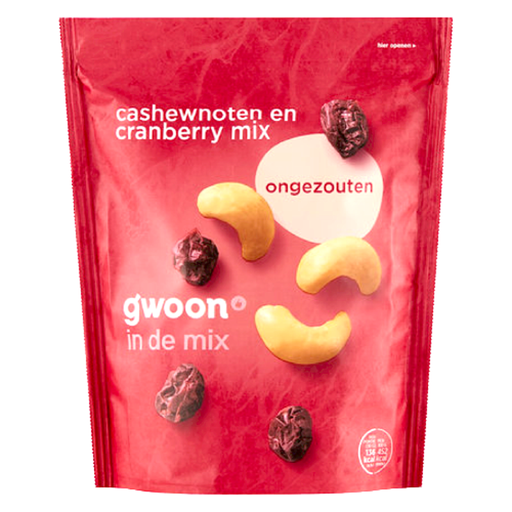 Image unavailable
g'woon Cashew Nut Cranberry Mix 200 g
Ideal if you want to combine cashews and dried cranberries in one snack.
The description lists 50% cashews, 50% dried cranberries and 10.9 g of protein per 100 g.
Contains cashews and may contain traces of peanuts and other nuts. Store in a cool, dry place.
View at Joybuy
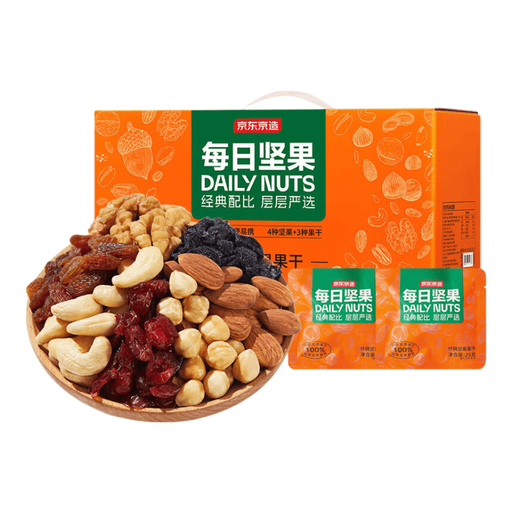 Image unavailable
J.ZAO Classic Daily-Nut Mix 750 g, 30 sachets
Ideal if you want to take nuts and dried fruit with you in individually portioned packs.
The pack contains 30 sachets of 25 g; the description lists 9.0 g of protein per 100 g and around 2.25 g per sachet.
Contains tree nuts, including walnuts, almonds, cashews and hazelnuts.
View at Joybuy
 Image unavailable
OHLA Dried Guava 180 g
Ideal if you’re looking for dried guava as the fruit element of a festival snack.
The description lists 1.27 g of protein per 100 g.
Contains added sugar and a preservative. Consider its nutritional value as fruit, not as a complete source of protein.
View at Joybuy
 Image unavailable
Three Squirrels Red Apricot Dried 250 g
Ideal if you want to take dried apricots with you as a fruity snack.
The description lists 1.1 g of protein and 62.0 g of sugars per 100 g.
Contains sulphites; check the allergen information on the pack.
View at Joybuy
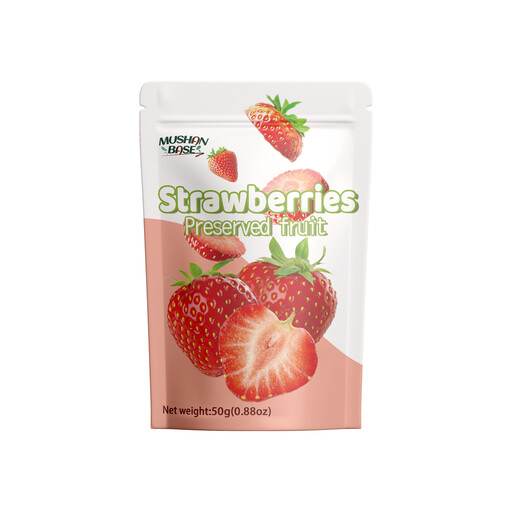 Image unavailable
MUSHAN BASE Dried Strawberry Slices 50 g
Ideal if you’re looking for dried strawberries as the fruit element of a snack.
The description lists 1.2 g of protein and 57.4 g of sugars per 100 g.
Sugar is listed as an ingredient; check the ingredients list and nutritional information on the pack.
View at Joybuy
Frequently asked questions
How do you compare protein when packs use different portion sizes?
First compare the values per 100 g, then calculate how much you’ll get from your own portion. Multiply the protein per 100 g by the portion weight, then divide by 100. The European Commission explains that nutritional values are expressed per 100 g or 100 ml and may also be provided per portion.
Do you always need a special protein snack for sports recovery?
No. According to the Voedingscentrum, most people who do sport don’t need special protein shakes or bars if they eat a healthy, varied diet. Protein requirements may be higher for strength training and endurance sports, so look at your overall diet rather than just the name of a festival snack.
Can you take fruit with a highly perishable addition to a festival without keeping it chilled?
Not just because it contains dried fruit. The Voedingscentrum advises not leaving highly perishable food out of the fridge for more than two hours. Apply this advice to the perishable addition, and follow any storage instructions specific to the product too.
Does ‘no added sugars’ mean the same as sugar-free?
No. The claim refers to what has been added to the product; fruit can contain naturally occurring sugars. So check the ingredients list and nutritional information table as well, not just the claim on the front of the pack.
Is a product that mentions protein automatically high in protein?
No. A mention of protein alone doesn’t tell you how much protein you’ll get per portion, or confirm that the claim meets the applicable requirements. The European Union sets requirements for nutrition claims. Compare the nutritional values of the exact variant and assess the claim using current product information and the relevant European definitions.


