
Fat-conscious snack buyers
You’re looking for dried fruit that’s low in fat and want to distinguish a low fat content from a comparative reduced-fat claim.


Choose dried fruit that’s low in fat by checking the nutrition table for the exact variety. A low fat content does not prove that a product is reduced in fat compared with similar products. The European Commission sets a maximum of 3 g of fat per 100 g for a ‘low fat’ claim on solid foods; the Netherlands Bakery Centre describes ‘reduced’ as at least 30% less than comparable products. When stocking up for the week, also consider portion size, ingredients and storage instructions once opened.
You’re looking for dried fruit that’s low in fat and want to distinguish a low fat content from a comparative reduced-fat claim.
You’re looking for a sweet snack to enjoy over several days and consider sugar and how much you eat, as well as fat.
You do a big weekly shop and want to match the pack size to how quickly you’ll use it and how it should be stored once opened.
| What to consider | What should you check? | Who should pay particular attention? |
|---|---|---|
| Low fat or reduced fat | The European Commission sets a maximum of 3 g of fat per 100 g for a ‘low fat’ claim on solid foods. The Netherlands Bakery Centre describes ‘reduced’ as at least 30% less than comparable products, so check what the comparison is based on too. | I want to know whether I’m simply looking for a low fat content or genuinely less fat than in a comparable product. Around 33% of consumers put this question first. |
| Sugars, energy and portion size | Compare energy and sugars per 100 g, read the ingredients list and decide on your portion. The Netherlands Nutrition Centre recommends a maximum of 20 g of dried fruit per day. | If I’m spreading a sweet snack over several days, I look at the portion size, not just the fat content. Around 27% of consumers focus mainly on sugar and portion size. |
| Stocking up and storage | Check the net weight and the storage instructions for after opening, as these can vary between products. | I want to choose a pack that suits how much I’ll use in a week and can be stored properly at home. Around 20% of consumers put planning their supplies first. |
| Cost per quantity | Compare the current price per kilo for the same type of product and think about how much you’ll actually use. | For my weekly shop, I want to weigh up the cost against how much we’ll get through. Around 13% of consumers put the cost of the usable quantity first. |
| Ingredients and allergens | Read the allergen information on the packaging of the exact variety. The Netherlands Food and Consumer Product Safety Authority (NVWA) states that allergen information must appear on the label of pre-packed products. | If certain ingredients aren’t suitable for me, I check this information before buying. Around 7% of consumers put ingredient suitability first. |
An absolute low fat content and a comparison with similar products answer different questions. A low figure on its own doesn’t show that the product contains less fat than a reference product.
For a ‘reduced’ claim, check what the comparison is based on; don’t use ‘low fat’ and ‘reduced fat’ interchangeably.
Dried fruit can contain naturally occurring sugars, even when no sugar has been added.
Read both the ingredients list and the nutrition table, and bear your portion size in mind.
Storage instructions can vary. For example, AH Stewed Dried Apricots must be kept refrigerated once opened.
Follow the instructions on the packaging of the variety you buy and check that they suit how quickly you’ll use it during the week.
Soaked apricots contain water; nutrition values apply to the product as sold. The product form and ingredients list are therefore relevant when comparing products.
Compare the same type and quantity of product, and don’t automatically attribute differences to fat reduction.
The retailers listed offer different product options. Always check the details for the exact variety; a brand name alone tells you nothing about the fat content or whether there’s a comparative claim.
An option for ready-to-eat stewed dried apricots.
Product pages give details for individual varieties of dried apricots and blue raisins.
An in-store option for dried tropical fruit in various varieties.
An option from the range of sun-dried apricots.
An option for dried apricots in a stand-up pouch.
An in-store option for raisins in a larger pack.
These Joybuy products are dried fruit options for anyone who also wants to check the nutrition table, ingredients and portion size before choosing. A low fat content on its own doesn’t prove a reduced-fat claim.
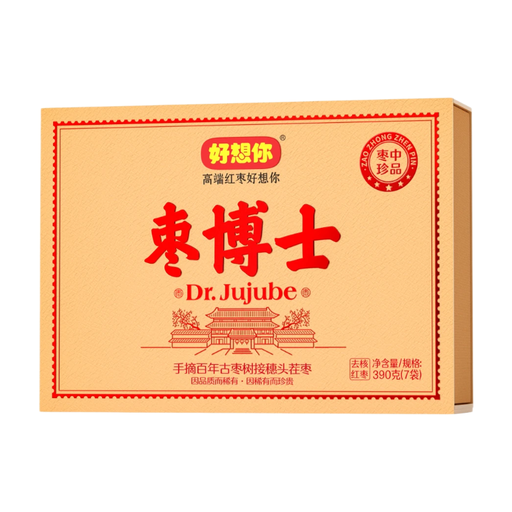 No image available
The product name indicates pitted jujubes; a handy option if you’re looking for dried fruit to take with you as a snack.
The product information lists 50.0 g of sugars per 100 g and recommends eating the dates immediately after opening. Check whether that amount and advice suit your portions.
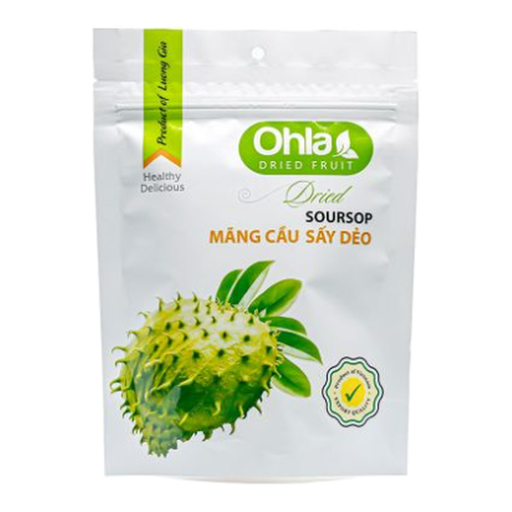 No image available
An option if you want to take dried soursop with you as a snack; the product name indicates a 180 g pack.
The product information lists 72.6 g of sugars per 100 g and includes white sugar and glucose in the ingredients. Check the ingredients list and nutrition table if added sugars are a consideration for you.
 No image available
The product name indicates pitted jujubes in a 500 g pack, for anyone looking for a larger quantity of dried fruit.
The product information lists 60 g of sugars per 100 g. Compare the nutrition information with the portion you have in mind, and follow the instructions for resealing the pack once opened.
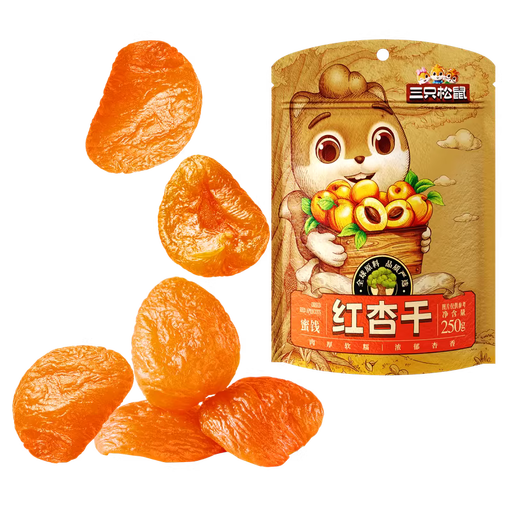 No image available
A snack option featuring dried red apricots in a 250 g pack.
The product information lists 62.0 g of sugars per 100 g and includes sugar, malt syrup and sulphites. Check the ingredients and allergen information on the exact pack.
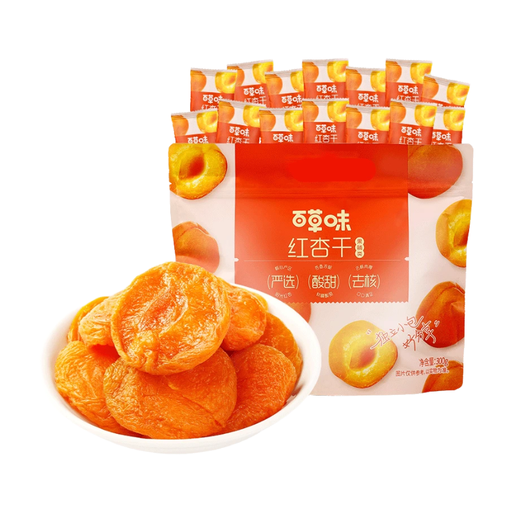 No image available
The product name indicates dried red apricots in a 300 g pack, intended as a ready-to-eat snack.
The product information lists 64.5 g of sugars per 100 g and includes sugar, malt syrup and sulphites. Check the ingredients and nutrition table before choosing this variety.
No. The European Commission sets a maximum of 3 g of fat per 100 g for a ‘low fat’ claim on solid foods. The Netherlands Bakery Centre describes ‘reduced’ as at least 30% less than comparable products; a low fat figure alone doesn’t prove that comparison.
The Netherlands Nutrition Centre recommends a maximum of 20 g of dried fruit per day. This is dietary advice, not a legal limit on what you can buy; a low fat content doesn’t mean you can ignore portion size.
Follow the instructions on the packaging of the exact variety. AH Stewed Dried Apricots must be refrigerated after opening at a maximum of 7°C; Jumbo Blue Raisins should be stored in a cool, dry, dark place.
Read the allergen information on the label of the exact pack. The Netherlands Food and Consumer Product Safety Authority (NVWA) states that allergen information must appear on the label of pre-packed products; the Jumbo apricots checked contain sulphites.
No. For the dried pitted apricots checked, Jumbo warns that the product may occasionally contain pieces or fragments of stone. Bear this product-specific warning in mind.