For a birthday get-together, start by comparing plain raisins or dried apricots if you want to check fat content: the Netherlands Nutrition Centre gives low average fat values for these types. These averages do not tell you what is in a particular pack, and on their own they do not support a claim such as ‘low fat’ or ‘reduced fat’. So check the label on the specific product, including sugar, energy per portion, ingredients, allergens and storage advice.
Who is this guide for?
Choosing dried fruit for a get-together
You want to serve fruit and compare the fat content of the specific varieties. The Netherlands Nutrition Centre’s figures for apricots and raisins are averages for each type, not nutritional values for a particular pack.
Keeping an eye on portions
By having a lighter snack, you mainly mean choosing a suitable portion and paying attention to sugar and energy. The Netherlands Nutrition Centre gives an average of 65 kcal and 13.8 g of sugars for a 20 g handful of raisins; check the nutritional information on the pack too when making your choice.
Taking your guests into account
You want to check ingredients and allergens when a guest says they need to avoid certain substances. The Netherlands Food and Consumer Product Safety Authority (NVWA) says that allergen information for prepacked products appears on the label.
What should you look for when choosing?
The percentages below relate to consumers choosing dried fruit for a birthday get-together; each row describes their top purchasing priority.
| What to consider |
What should you check? |
Who might prioritise this? |
| Fat content of the variety |
Compare the same quantity on the label and check the exact product variety. |
I want to use fat as my main selection criterion and compare labels fairly; around 36% of consumers put fat content first when choosing what to buy. |
| Sugar and energy per portion |
Read the values per 100 g and decide how much you actually want to serve. |
I want to prepare portions in advance and take sugar and energy into account too; around 29% of consumers put portion size and energy first when choosing what to buy. |
| Ingredients and allergens |
Read the full ingredients list and allergen information on the current packaging. |
I want to know whether the ingredients suit my guests’ needs; around 21% of consumers put suitability for guests first when choosing what to buy. |
| Quantity and storage |
Match the net quantity to your serving plan and follow the storage advice for that exact product. |
I want to buy enough for the get-together and know how to store any leftovers; around 14% of consumers put practical party shopping first when choosing what to buy. |
The Netherlands Nutrition Centre gives an average of 0.1 g of fat per 20 g portion of raisins and a rounded figure of 0 g of fat per 9 g dried apricot. For banana chips, it gives an average of 5.9 g of fat per 20 g. These are averages for each type; use the label to compare specific products.
Common pitfalls
-
Assuming low fat means low sugar or energy
According to the Netherlands Nutrition Centre, a 20 g handful of raisins contains an average of 0.1 g of fat, but also 65 kcal and 13.8 g of sugars.
Compare the fat content with the energy and sugars in the portion you plan to serve.
-
Automatically treating banana chips as a low-fat choice
The Netherlands Nutrition Centre gives an average of 5.9 g of fat and 4.8 g of saturated fat per 20 g of banana chips. This average does not automatically apply to every variety.
Check the product variety and nutrition table before choosing banana chips if fat is an important consideration.
-
Treating a fruit and nut mix as if it were just dried fruit
Albert Heijn’s range also includes fruit and nut mixes, so the ingredients may differ from a pack containing fruit alone.
Read the ingredients list and check the allergen information if a guest needs to avoid something.
-
Using the same storage advice for all dried fruit
For AH Apricots, Albert Heijn advises refrigerating the product after opening at a maximum of 7°C. This product-specific advice does not automatically apply to other apricots or dried fruit.
Follow the storage advice on the pack of the variety you buy.
Relevant brands and supermarket chains
These mentions refer to the named product ranges and product pages, not every product sold by a chain.
Albert Heijn
The dried fruit category includes apricots, unsweetened dried pineapple and fruit and nut mixes.
- The category mentioned includes products with different ingredients to compare on the label.
- For AH Apricots, Albert Heijn advises refrigerating the product after opening at a maximum of 7°C; this advice is specific to that product.
Jumbo
Jumbo lists Dried Pitted Apricots in a 250 g pack.
- The product name and pack size tell you which variety it is.
- ‘Pitted’ describes the product form and says nothing about its fat content.
Lidl
Lidl presents Alesto as a range of dried fruit and nuts, including apricots.
- The chain describes the range as suitable for get-togethers; this is Lidl’s own positioning.
- Check the ingredients of the specific pack, especially if it is a fruit and nut mix.
Aldi
ALDI lists TRADER JOE’S Sun-Dried Apricots in a 250 g pack.
- ALDI describes these apricots as soft, which may be relevant to the texture you want to serve.
- A description of the texture does not support a claim about fat content.
PLUS
PLUS lists Dried Apricots in a 375 g stand-up pouch.
- You can factor the stated quantity into your plans for how much to buy for the get-together.
- Check the information on the current packaging, as product information can change.
Dirk
Dirk lists pitted apricots in its dried fruit and nuts category.
- The product listing makes clear that these are pitted apricots.
- The fact that they are pitted does not tell you whether the product is low in fat.
Dried fruit at Joybuy
These dried fruit products are ready to serve; compare both fat and sugar per 100 g for each variety.
 No image available
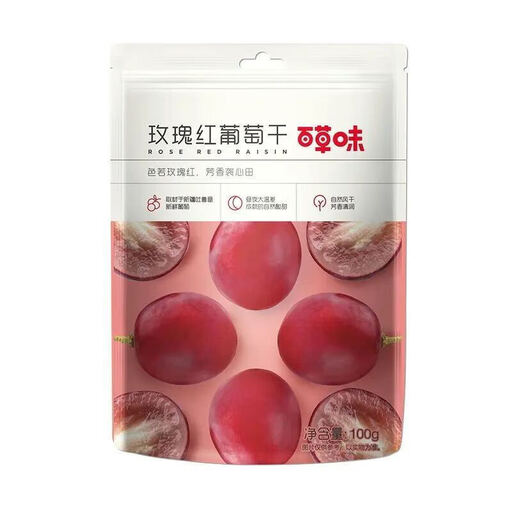
Be&Cheery Rose red raisins 100 g
Raisins in a 100 g pack, ready to serve.
The nutrition table gives 0 g of fat per 100 g; check the sugar value in the product information too.
View at Joybuy
 No image available
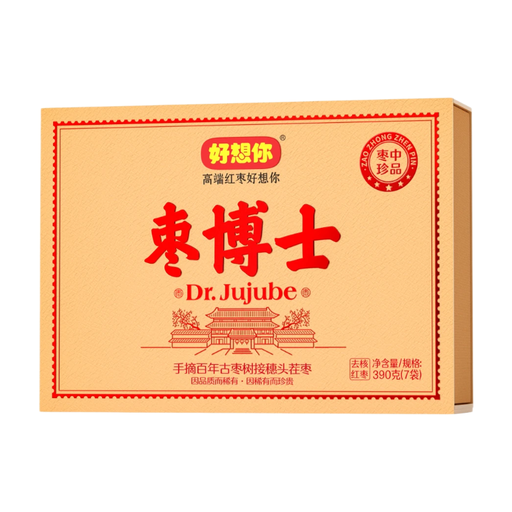
Haoxiangni Dr.Jujube Premium Gold-Grade Pitted 390 g
Pitted jujubes that, according to the product description, are ready to eat.
Per 100 g, the nutrition table gives 0 g of fat and 50.0 g of sugar.
View at Joybuy
 No image available
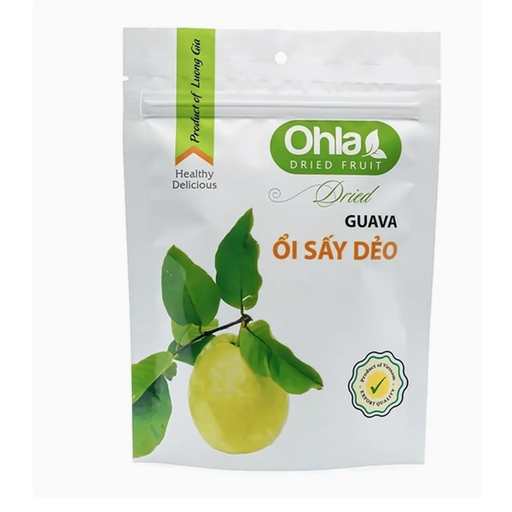
OHLA Dried Guava 180 g
Dried guava can be served as a snack on your get-together table.
Per 100 g, the product information gives 1.73 g of fat and 308 kcal. The ingredients list states 95% guava, sugar and a preservative.
View at Joybuy
 No image available
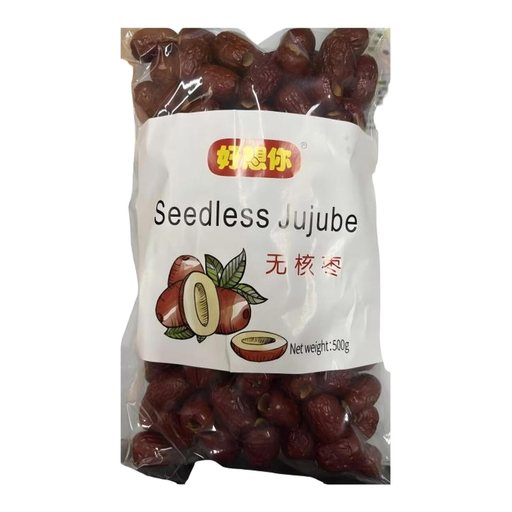
Haoxiangni Pitted Jujubes 500 g
Pitted jujubes that, according to the product description, are ready to eat.
Per 100 g, the nutrition table gives 0.5 g of fat and 60 g of sugar. The ingredients list states 100% red dates.
View at Joybuy
 No image available
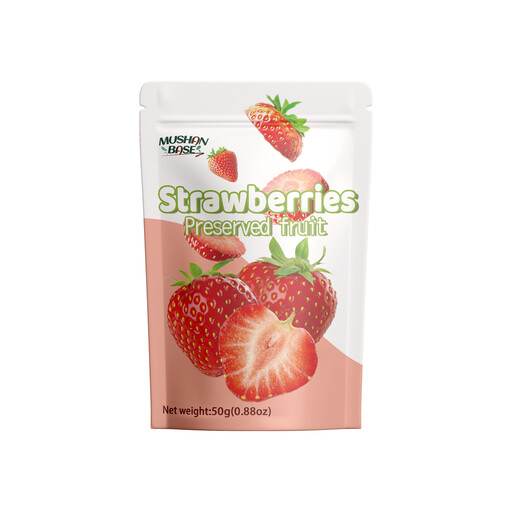
MUSHAN BASE Dried Strawberry Slices 50 g
Dried strawberry slices, ready to serve as a fruit option on your get-together table.
Per 100 g, the nutrition table gives 2.6 g of fat and 57.4 g of sugar. The ingredients list states dried strawberries and sugar; reseal the pack securely after opening.
View at Joybuy
Frequently asked questions
How much dried fruit should I serve?
The World Cancer Research Fund advises eating no more than 20 g of dried fruit a day because of its concentrated sugar content. You can use 20 g as an example portion to weigh out; this advice is not a legal limit or a required menu for a get-together.
Does dried fruit need to be refrigerated after opening?
Follow the storage advice on the packaging of your product. For AH Apricots, Albert Heijn advises refrigerating them after opening at a maximum of 7°C; do not automatically apply this advice to other varieties of raisins or apricots.
Where can I check allergens in prepacked dried fruit?
Check the label on the pack. According to the NVWA, allergen information for prepacked products appears on the label; use this information if a guest needs to avoid a relevant allergen.
Does general nutritional information prove that a product is ‘low fat’?
No, an average for a type of fruit is not the nutritional value of a specific pack. The NVWA says that nutrition claims, including those made for food sold by online shops, must comply with European rules; so do not assess a specific claim based on averages for a type of fruit alone.


