What should you look for when buying?
First decide whether you want low fat, a smaller portion or demonstrably less fat than a similar product. According to the European Commission, the claim ‘low fat’ can be used for solid foods containing no more than 3 g of fat per 100 g. This is not the same as a comparative claim about fat reduction.
| What to consider |
What to look for |
Who is this important for? |
| Fat content or fat reduction |
Compare the fat per 100 g on the exact pack. If there’s a comparative claim, check what it’s based on. |
If low fat is my main priority, I compare the packs and want to know exactly what a claim means. Around 34% of consumers prioritise fat content above all else. |
| Portion, sugar and energy |
Check calories and sugars for the same weight, and decide how many grams you’ll have per eating occasion. |
If I want to keep my snack lighter, I pay attention to how much I eat, not just the fat content. Around 33% of consumers prioritise portion size and energy. |
| Packaging and storage |
Check how easy it is to divide into portions and follow the storage instructions for the exact product. |
If I’m taking fruit on a trip, I want to be able to portion and store it easily. Around 20% of consumers are primarily concerned with convenience on the go. |
| Pack size and cost |
Compare the price per kilogram of the same product and choose a quantity you’ll use. |
If I’m buying snacks for a holiday, I want the pack size to suit how much I’ll use. Around 13% of consumers prioritise cost. |
Dried fruit at Joybuy
These Joybuy products are dried fruits with listed nutrition values that can help you compare fat per 100 g. Also check energy, sugars, ingredients and portion size.
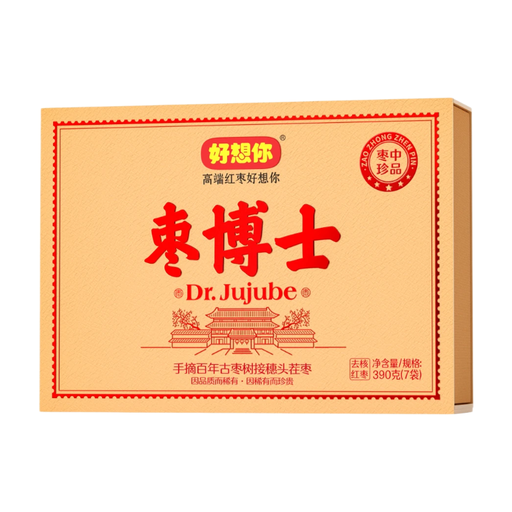 Image unavailable
Haoxiangni Dr.Jujube Premium Gold-Grade Pitted 390g
An option for comparing dried jujubes if you’re mainly looking at fat content per 100 g.
- Net weight: 390 g
- Fat: 0 g per 100 g
- Energy: 327 kcal per 100 g
- Sugars: 50.0 g per 100 g
- The product description says they’re ready to eat; store in a cool, dry place.
View at Joybuy
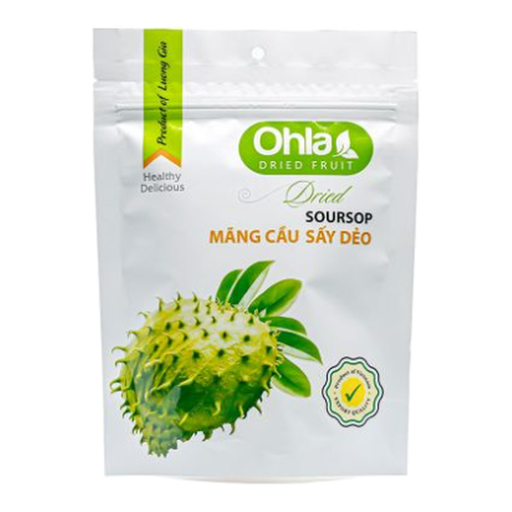 Image unavailable
OHLA Dried Soursop 180g
An option if you want to compare dried soursop for fat as well as its other nutrition values.
- Net weight: 180 g
- Fat: 2.21 g per 100 g
- Energy: 348 kcal per 100 g
- Sugars: 72.6 g per 100 g
- The listed ingredients include soursop, sugar and glucose.
View at Joybuy
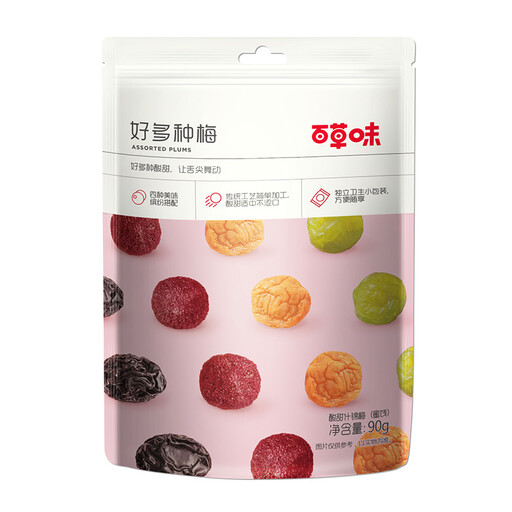 Image unavailable
Be&Cheery Various Dried Plum 90g
An option if you want to compare dried plums for fat per 100 g and take salt into account too.
- Net weight: 90 g
- Fat: 0.2 g per 100 g
- Energy: 68 kcal per 100 g
- Sugars: 16.0 g per 100 g
- The nutrition table lists 3.0 g of salt per 100 g.
- The product description says they’re ready to eat and packed in a stand-up pouch for taking on the go.
View at Joybuy
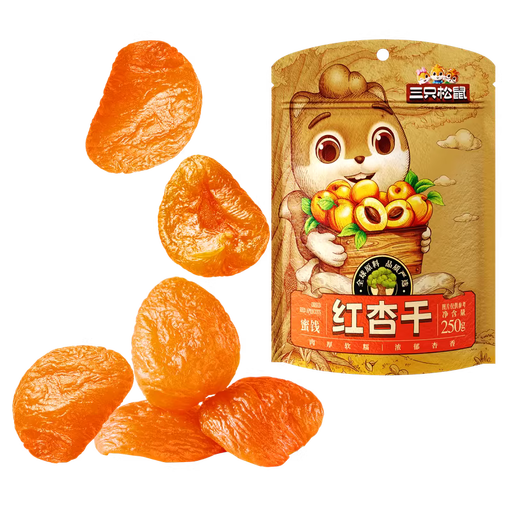 Image unavailable
Three Squirrels Red Apricot Dried 250g
An option for comparing dried apricots if fat per 100 g is your main selection criteria.
- Net weight: 250 g
- Fat: 0 g per 100 g
- Energy: 311 kcal per 100 g
- Sugars: 62.0 g per 100 g
- The pack is resealable; the ingredients and allergen information lists sulphites.
View at Joybuy
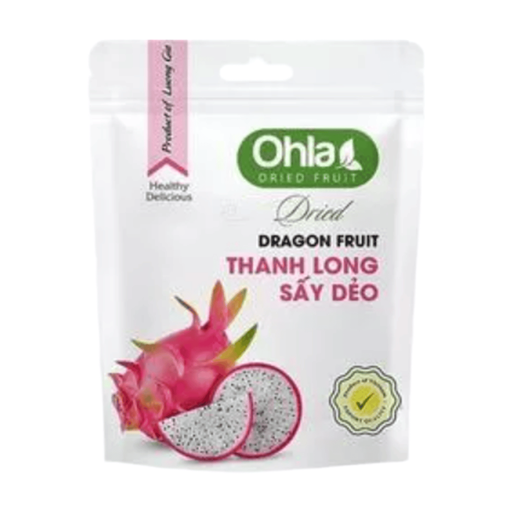 Image unavailable
OHLA Dried Dragon Fruit 180g
An option for comparing dried dragon fruit, with particular attention to the listed fat content.
- Net weight: 180 g
- Fat: 3.75 g per 100 g
- Energy: 375 kcal per 100 g
- Sugars: 57.5 g per 100 g
- The listed fat content is above the European Commission’s stated threshold of 3 g per 100 g for the ‘low fat’ claim on solid foods.
View at Joybuy
Frequently asked questions
When can dried fruit be labelled ‘low fat’?
For solid foods, the European Commission sets a maximum of 3 g of fat per 100 g for the ‘low fat’ claim. Meeting this threshold doesn’t prove that a product contains less fat than a similar option.
Should you only look at fat if you want a lighter snack?
No, check energy, sugars and how much you eat too. According to the Netherlands Nutrition Centre, a 20 g handful of raisins contains 0.1 g of fat, 65 kcal and 13.8 g of sugars; these general values don’t automatically apply to every pack.
How should you store an opened pack during your holiday?
Follow the instructions on the exact pack you have. For opened dried fruit mix, the Netherlands Nutrition Centre gives a cupboard storage period of 6–9 months. This advice doesn’t automatically apply to other types of fruit or to storage in a warm car.
What should you check if you’re sensitive to sulphites, nuts or peanuts?
Before buying, read the ingredients and allergen information on the exact pack. The NVWA states that prepacked products must show allergen information on the label. A low fat content says nothing about whether a product is suitable for someone with an allergy or sensitivity.
Is a large bag always the best value?
Not necessarily: compare the price per kilogram and how much you’ll actually use. Jumbo lists sultanas in different pack sizes; this doesn’t tell you which supermarket is generally the cheapest.


