What should you look for in dried fruit after exercise?
Start with the nutritional information for the exact product, work out the figures for your own portion, then consider how the snack fits with the rest of your diet.
| What to consider |
What should you check? |
Who is this important for? |
| Fat content |
Compare the amount of fat per 100 g on the pack. For solid foods, the European Commission sets a maximum of 3 g of fat per 100 g for a ‘low fat’ claim; this is different from a claim about reduced fat. |
If you’re mainly looking for a low-fat snack, you’ll want to compare the stated value per 100 g. Around 36% of consumers put this need first. |
| Recovery nutrition |
Check the protein and carbohydrates per portion, and take into account what the rest of your meals provide. The Voedingscentrum highlights the importance of getting enough protein after intense exercise. |
If you want to know how the snack fits into your post-exercise diet, look beyond the fat content alone. Around 29% of consumers prioritise this. |
| Portion size |
Work out the figures per 100 g for the amount you’ll eat. The Voedingscentrum recommends a maximum of 20 g of dried fruit a day; this is dietary advice, not a legal limit or a personalised sports nutrition plan. |
If your main priority is keeping the amount and energy content of your snack in check, weighing out a portion in advance can help. Around 21% of consumers make portion control their top priority. |
| Packaging and ingredients |
Check the contents, storage instructions and allergens for the exact product. The AH and Jumbo packs examined contain 250 g; the PLUS product contains 375 g. |
If you want to portion your snack in advance or take it with you, packaging and storage matter; if you have an allergy, check the ingredients too. Around 14% of consumers prioritise practicality. |
Joybuy products for a snack break
These Joybuy products are dried fruit options for enjoying as a snack straight from the pack. Compare the stated nutritional values for each specific product; the product details do not establish that a product can carry a ‘reduced fat’ claim.
 No image available
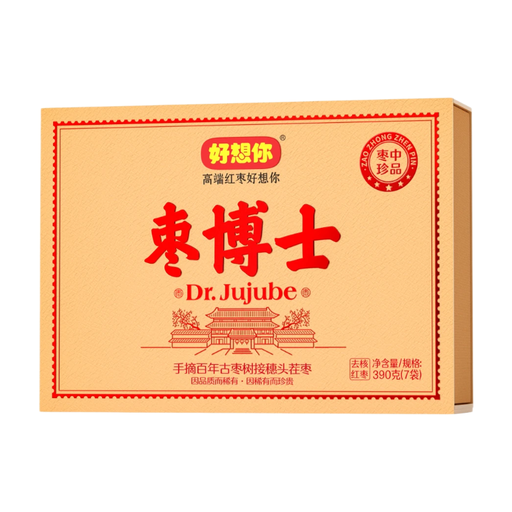
Haoxiangni Dr.Jujube Premium Gold-Grade Pitted, 390g
The product information describes the pitted jujubes as ready to eat.
Stated per 100 g: 0 g fat, 327 kcal and 50 g sugars. So, in this case, low fat doesn’t mean low in energy or sugars.
View at Joybuy
 No image available
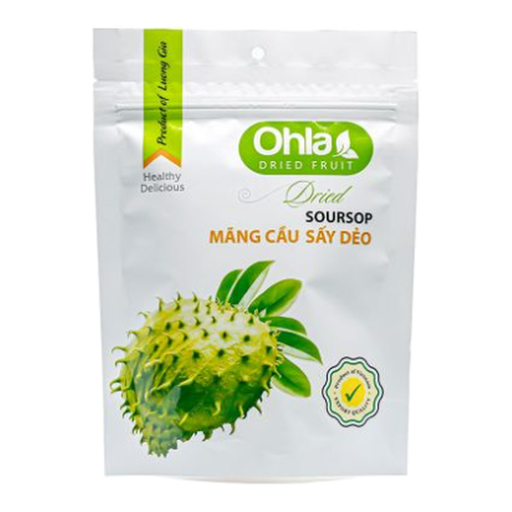
OHLA Dried Soursop, 180g
The product information describes dried soursop as a snack and recommends sealing the pack well or refrigerating it after opening.
Stated per 100 g: 2.21 g fat, 348 kcal and 72.6 g sugars. The ingredients list includes white sugar and glucose.
View at Joybuy
 No image available
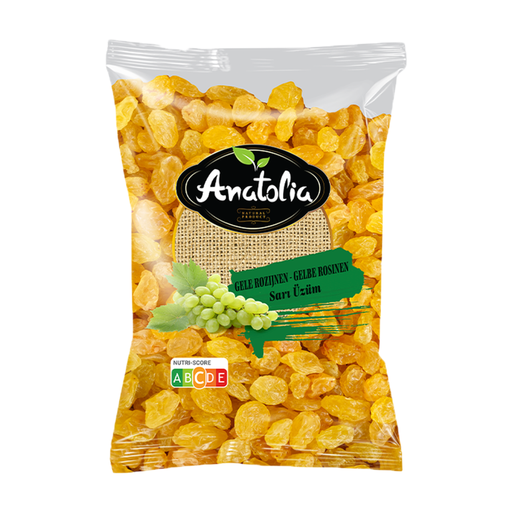
Anatolia Sari Uzum (Raisins), 500gr
The product description says the raisins are ready to eat as a snack and are made from 100% dried grapes.
View at Joybuy
 No image available
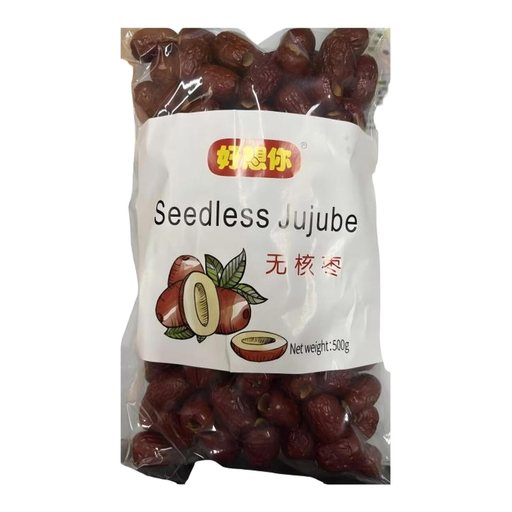
Haoxiangni Pitted Jujubes, 500g
The pitted jujubes are described as ready to eat; the ingredients list red jujubes.
Stated per 100 g: 0.5 g fat, 300 kcal and 60 g sugars. The product description recommends storing in a cool, dry place and sealing the pack well after opening.
View at Joybuy
 No image available
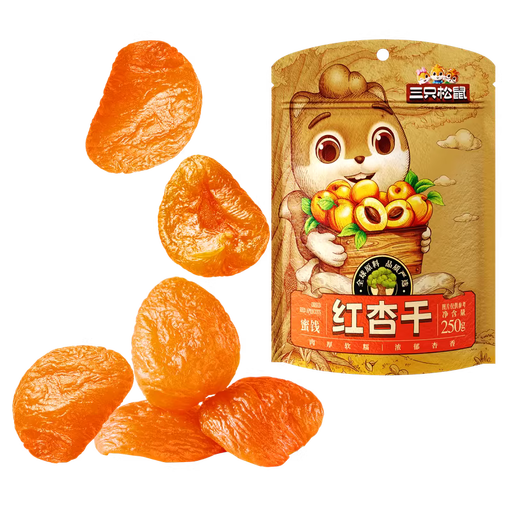
Three Squirrels Red Apricot Dried, 250g
The dried apricots are described as ready to eat and come in a resealable pouch.
Stated per 100 g: 0 g fat, 311 kcal and 62 g sugars. The ingredients list sugar, maltose syrup and sulphites.
View at Joybuy
Frequently asked questions
When can dried fruit be described as ‘low fat’?
For solid foods, the European Commission sets a maximum of 3 g of fat per 100 g for a ‘low fat’ claim. This absolute limit doesn’t mean the product is low in calories, nor does it prove a separate claim about reduced fat.
Does low fat mean dried fruit is low in calories or sugars?
No. A low fat content alone doesn’t tell you much about the calories or sugars. Compare the nutritional values per 100 g for the exact product and work them out for the portion you’ll eat.
Is dried fruit on its own a complete recovery meal after exercise?
No, a portion of dried fruit isn’t automatically a complete recovery meal. The Voedingscentrum highlights the importance of getting enough protein after intense exercise, so consider your overall diet and what the rest of your meals provide.
How much dried fruit can you plan to have as a daily snack?
The Voedingscentrum’s general advice is to have no more than 20 g of dried fruit a day. This is dietary advice, not a legal limit or a personalised sports nutrition plan.
Are the dried apricots examined suitable if you need to avoid sulphites?
The Jumbo and PLUS products examined list sulphites. If you need to avoid sulphites, check the ingredients on the exact pack and don’t choose these products without taking that information into account.


