After exercise, think of dried fruit primarily as a fruit component: according to the published nutrition information, 20 g of AH Soaked Dried Apricots, PLUS Dried Apricots or Jumbo Sun-Dried Sultana Raisins provides 0.80, 0.68 and 0.62 g of protein respectively (Albert Heijn, PLUS and Jumbo). If you want an additional source of protein, combining it with low-fat quark can provide more: 150 g of AH Low-Fat Quark with 20 g of AH apricots contains 14.3 g, based on the nutrition information. If you combine products, check the allergens and storage instructions for each one.
Who is this relevant for?
Sportspeople looking for extra protein
You want to know how much protein a snack actually adds. Calculate it based on the amount you eat, and consider the rest of your diet too; the Netherlands Nutrition Centre and the labels from Albert Heijn, Jumbo and PLUS provide useful information.
Sportspeople who want a small snack
You want to choose your portion carefully and keep an eye on total sugars. The Netherlands Nutrition Centre gives general advice on how much dried fruit to eat; the nutrition information on labels from Albert Heijn, Jumbo and PLUS applies to specific products.
Sportspeople who want to take a snack with them
You’re looking for something to take on the go and want to know how to store it after opening. Albert Heijn and PLUS give different product instructions, while ALDI describes a resealable pack for a specific fruit mix.
What should you look for when buying?
When choosing a snack for after exercise, check how much protein your actual portion provides, and assess any additional ingredients and storage instructions separately.
| Concern |
What to look for when buying |
Who is this important for? |
| Actual protein contribution |
Convert the nutrition information per 100 g to your own portion. According to Jumbo, PLUS and Albert Heijn, the apricots and raisins reviewed contain 3.1–4 g of protein per 100 g. |
If you want to know how much protein your snack adds after a workout, check how much you eat rather than relying on the product name alone. Around 42% of consumers say protein content is their main buying concern. |
| Portion size and sugars |
Weigh your portion and distinguish total sugars from the claim ‘no added sugars’. The Netherlands Nutrition Centre’s general advice is to eat no more than 20 g of dried fruit a day; this is dietary advice, not a legal limit for purchases. |
If you want to eat a small amount and keep track of sugars, weighing your portion and reading the label can help. Portion control is the top priority for around 25% of consumers. |
| Taking it with you and storage |
Follow the instructions for the exact product: AH Soaked Dried Apricots must be refrigerated after opening, at a maximum of 7°C. A resealable pack, such as the ALDI mix mentioned, does not replace storage instructions. |
If you want to take a snack in your sports bag, consider both practicality and how to store it after opening. Around 17% of consumers put portability and storage first. |
| Ingredients and suitability for you |
Check the ingredients and allergens in each product. The Albert Heijn and PLUS apricots reviewed contain sulphites; AH Low-Fat Quark contains milk and lactose. |
If a product needs to meet your personal dietary requirements, check every item in the combination. Ingredient suitability is the main buying concern for around 16% of consumers. |
Common buying mistakes
-
Mistaking a higher protein content among fruit products for a substantial protein contribution
Even 20 g of the fruit products reviewed with the highest published values provides no more than 0.80 g of protein. The nutrition information from Albert Heijn, PLUS and Jumbo applies to those specific apricots and raisins.
Convert the value per 100 g to your portion, then assess separately whether you’re getting enough protein from the rest of your diet.
-
Treating a portion on the label as a daily recommendation
Albert Heijn lists a 50 g portion for its soaked apricots. The Netherlands Nutrition Centre’s general advice for dried fruit is no more than 20 g a day; a manufacturer’s portion size is not automatically dietary advice.
Weigh your own portion and remember the difference between the serving size on the label and dietary advice.
-
Assuming resealable means it can be stored without refrigeration
The ALDI fruit mix mentioned comes in a resealable pack, while AH Soaked Dried Apricots must be refrigerated after opening, at a maximum of 7°C.
Follow the storage instructions on the specific pack, even if it can be resealed.
-
Checking only the fruit label when putting together a snack
An additional source of protein can introduce allergens. The quark reviewed contains milk and lactose; the apricots mentioned contain sulphites.
Check the ingredients and allergens in every part of your snack. The NVWA explains what allergen information must appear on pre-packed products.
Relevant brands for comparison
Albert Heijn
The product reviewed is AH Soaked Dried Apricots, also sold as a topping.
- The product lists 4 g of protein per 100 g and contains sulphites.
- Refrigerate after opening, at a maximum of 7°C; these details apply to this product only.
Jumbo
The comparison includes Jumbo Sun-Dried Sultana Raisins as a standalone dried fruit.
- The product information lists raisins and cottonseed oil, with 3.1 g of protein per 100 g.
- The label also lists 75.5 g of sugars per 100 g; these values are specific to this product.
Lidl
The Alesto range includes dried fruit, including mango strips.
- Lidl says its mango strips contain no added sugars and notes that they contain naturally occurring sugars.
- This statement refers to added sugars and is not a claim about protein content or recovery.
Aldi
The products mentioned are Trader Joe’s raisins and a cashew, cranberry or raisin mix.
- ALDI describes its 200 g fruit mix as resealable.
- A pack containing nuts does not, by itself, tell you the protein content of every product variant.
PLUS
The PLUS Dried Apricots reviewed are a standalone dried-fruit product.
- The product information lists 3.4 g of protein, 7.3 g of fibre and 53.4 g of sugars per 100 g.
- The ingredients are apricot and E220, identified as a sulphite; store in a cool, dry, dark place.
Dirk
The comparison includes Pitted Apricots in a 200 g pack.
- The product page lists pitted apricots and the pack weight.
- ‘Pitted’ describes the product format and is not a protein claim.
Products at Joybuy
This selection includes dried fruit and fruit-and-nut combinations for snacking. Use the nutrition information per 100 g alongside your own portion size; product names alone do not constitute a legal protein claim.
 No image available
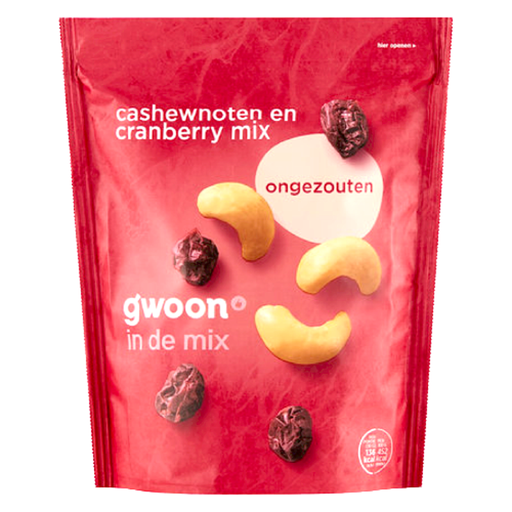
g'woon cashew and cranberry mix 200 g
A good fit if you’re looking for a snack that combines dried fruit and nuts; the listed protein value does not automatically make this a high-protein product.
The product listing describes 50% cashew nuts and 50% sweetened dried cranberries, with 10.9 g of protein per 100 g. May contain traces of peanuts and other nuts.
Joybuy
 No image available
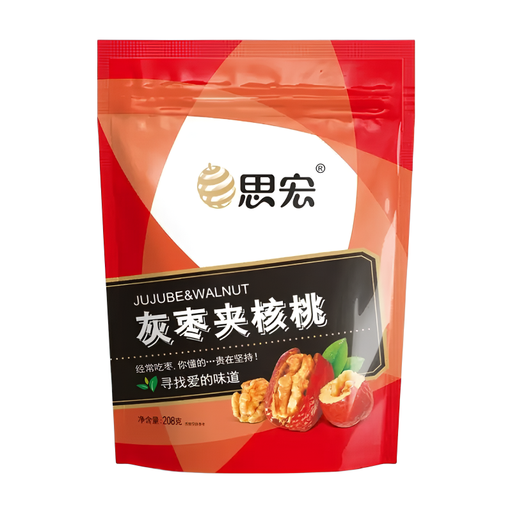
Sihong Gray Dates with Walnuts 208 g
A good fit if you want to combine dried dates with a plant-based ingredient; bear in mind that it contains walnuts.
The product information lists dates, walnut kernels and 3.4 g of protein per 100 g. Walnuts are a relevant allergen to check on the label.
Joybuy
 No image available
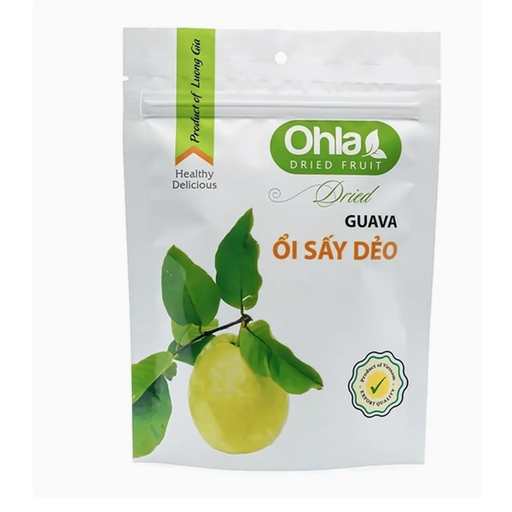
OHLA dried guava 180 g
A good fit if you’re looking for a fruit snack to take on the go and get your protein from other parts of your diet.
The product information lists 95% guava, sugar, a preservative and 1.27 g of protein per 100 g.
Joybuy
 No image available
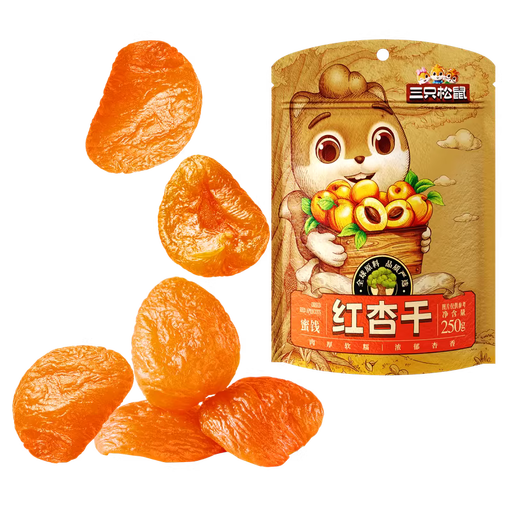
Three Squirrels dried red apricots 250 g
A good fit if you’re looking for a ready-to-eat fruit snack; the listed protein value is product information, not a protein claim.
The product information lists apricot, sugar, maltose syrup and 1.1 g of protein per 100 g. The product contains sulphites and added sugar.
Joybuy
 No image available
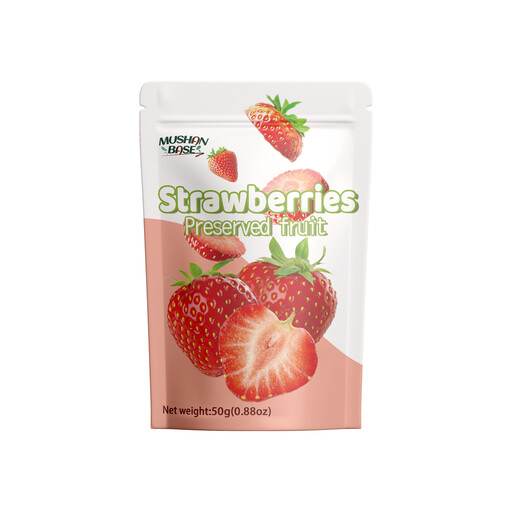
MUSHAN BASE dried strawberry slices 50 g
A good fit if you’re looking for dried strawberries as a snack or as a topping for yoghurt or a dessert.
The product information lists dried strawberries, sugar and 1.2 g of protein per 100 g. The pack can be resealed after opening.
Joybuy
Frequently asked questions
Do you need a special protein snack after every gym session?
No. According to the Netherlands Nutrition Centre, recreational exercisers don’t need special protein shakes or bars. Your needs may be higher if you do intensive strength or endurance training, so first assess your protein intake over the whole day.
Why does a general quark value differ from the label on my brand?
A general value and a branded product won’t necessarily have the same nutritional value. The Netherlands Nutrition Centre’s calorie checker gives an average of 12.6 g of protein per 150 g of low-fat quark; AH Low-Fat Quark lists 9 g per 100 g, or 13.5 g per 150 g. When calculating the value for a specific product, use that product’s label.
Can I leave an opened bag of soaked apricots in my sports bag?
Follow the instructions for the exact product. For AH Soaked Dried Apricots, Albert Heijn says to refrigerate after opening, at a maximum of 7°C. This instruction doesn’t automatically apply to other dried fruit.
Does ‘no added sugars’ mean the same as sugar-free?
No. The Netherlands Nutrition Centre explains that this claim refers to adding sugars or other ingredients used for their sweetening properties; naturally occurring sugars may still be present. The AH apricots reviewed state that they contain no added sugars and contain 37 g of total sugars per 100 g.
What allergen information should be provided for a pre-packed product?
According to the NVWA, allergen information must appear on the label of pre-packed products, and allergens must be clearly identifiable in the ingredients list. Check the label of every item in your combination; for example, apricots containing sulphites and additional ingredients such as quark, nuts or soya may introduce different allergens.


