
Calorie-conscious evening snackers
You want to compare the energy in the portion you actually eat, rather than relying on a small serving size on the label or the impression created by a product name.


First compare dried fruit by kcal per 100 g, then work out how much energy is in the amount you actually plan to eat. The supermarket products checked for this comparison are all above the European threshold for a ‘low energy’ claim, so choose based on portion weight, ingredients and the storage instructions on the exact pack.
You want to compare the energy in the portion you actually eat, rather than relying on a small serving size on the label or the impression created by a product name.
You want to set aside an amount and choose a pack that suits how often you eat it and how it needs to be stored once opened.
You check for added sugar and, if it matters to you, take sulphites and allergen warnings into account when choosing.
First compare the energy per 100 g and then calculate the energy in your own portion. Next, check the ingredients, storage instructions and pack size. Albert Heijn lists 182 kcal per 100 g for the soaked apricots checked, compared with 237 kcal per 100 g for the pitted Jumbo apricots checked; this difference applies only to these particular products.
| What to consider | What to look for | Who is this important for? |
|---|---|---|
| Energy in your portion | Compare kcal per 100 g and use the same weight for your calculation. | If I want to limit the energy in my evening snack, I look at how much I actually serve myself. Around 31% of consumers put calories first. |
| Portioning and storage | Weigh your portion and follow the storage instructions for the exact product once opened. | If I set aside a small bowl in advance, I also want to know how to store the rest of the pack. Around 25% of consumers prioritise portioning and storage. |
| Added sugar | Check the ingredients list alongside the total sugar and kcal content. | If I want to avoid added sugar, I check the ingredients rather than just reading the fruit name. Around 19% of consumers put this first when choosing what to buy. |
| Ingredient suitability | Check the ingredients and allergen information, including warnings about possible traces. | If I need to avoid certain ingredients, the information on the exact pack is especially important to me. Around 13% of consumers prioritise ingredient suitability. |
| Pack size | Choose a net weight that suits how often you snack and the storage instructions for after opening. | If I don’t eat dried fruit often, I want to choose a pack that suits how I use it. Around 12% of consumers prioritise buying an appropriate amount. |
The Jumbo dates checked use a 15 g serving size on the label, the apricots 20 g and the prunes 30 g. This means the per-serving figures aren’t directly comparable.
First compare kcal per 100 g, then calculate using the same weight of your choice. The serving size on the label isn’t a personal recommendation you have to follow.
A product can contain a lot of total sugars even if no sugar has been added as an ingredient. The sultanas checked list raisins and cottonseed oil as ingredients and contain 75.5 g of sugars per 100 g.
Read the ingredients list and nutrition information separately; one doesn’t replace the other.
The Albert Heijn soaked apricots checked must be refrigerated once opened, while the PLUS prunes checked should be stored in a cool, dry, dark place.
Follow the instructions on the pack of the product you buy.
Albert Heijn’s organic prunes have a simple ingredients list, but also carry a warning that they may contain peanuts and nuts.
If you need to avoid something, check both the ingredients and allergen information on the exact pack.
The own-brand products mentioned include soaked apricots and soft or organic prunes.
The own-brand products mentioned include apricots, prunes, dates, sultanas and cranberries.
Lidl sells nuts and dried fruit under the Alesto brand; its Dutch product information lists dried tropical fruits in various 200 g options.
ALDI’s Dutch product information lists Trader Joe’s sun-dried apricots in a 250 g pack and raisins in a 500 g pack.
The own-brand option mentioned is dried prunes in a 375 g pack.
Dirk’s Dutch results page lists 1 de Beste pitted prunes in a 375 g pack.
These product choices are suitable for snacking; compare the listed ingredients, portion information and nutrition values for each specific product.
 No image available
An option to compare if you’re looking for a ready-to-eat date snack.
The product information lists black dates as an ingredient.
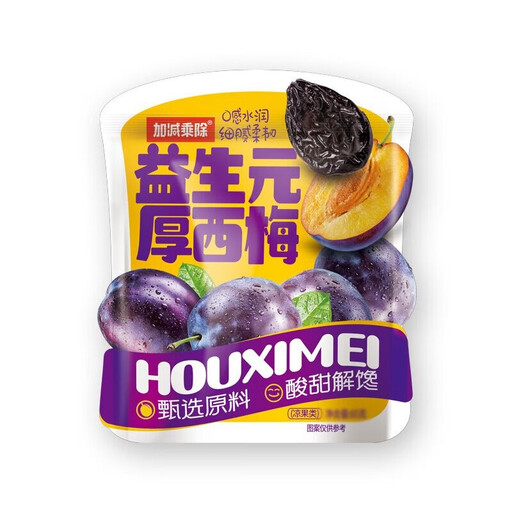 No image available
The individual 65 g pack could suit you if you want to set aside a portion in advance.
The nutrition information lists 214 kcal per 100 g. Fructose syrup is included in the ingredients.
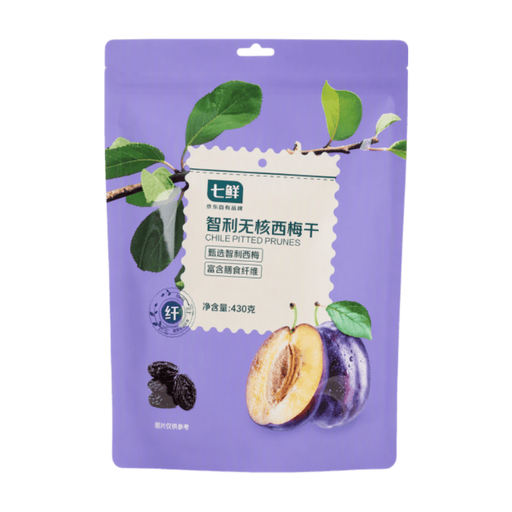 No image available
An option to compare if you’re looking for dried prunes with no added ingredients listed.
The ingredients list contains only dried prunes; the nutrition information lists 283 kcal per 100 g. The product description says to consume the product immediately after opening.
 No image available
An option to compare if you’re looking for a ready-to-eat red date snack.
The ingredients information lists 100% red dates; the nutrition information lists 300 kcal per 100 g.
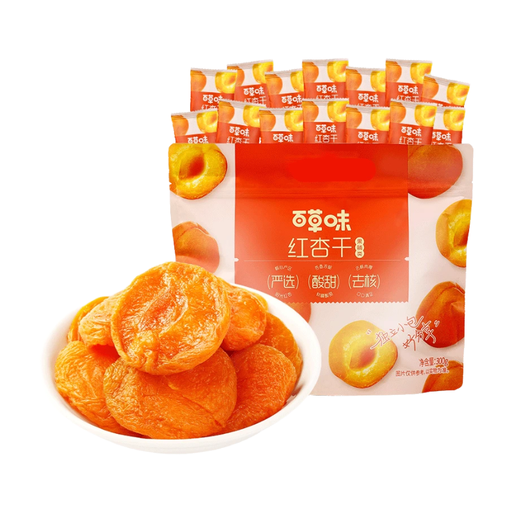 No image available
An option to compare if you’re looking for dried apricots for a ready-to-eat snack.
The ingredients information lists sugar, maltose syrup and sulphites; the nutrition information lists 311 kcal per 100 g.
For solid foods, the European Commission sets a maximum of 40 kcal (170 kJ) per 100 g for a ‘low energy’ claim or a claim with the same meaning. The products checked for this comparison are all above that threshold; choosing a smaller portion doesn’t make the product itself low in energy.
The Netherlands Nutrition Centre advises having no more than a handful of dried fruit with no added sugar. This is general dietary guidance, not a personal portion recommendation; to work out the energy in your snack, weigh the amount you choose and use the energy per 100 g.
Check both the ingredients list and the nutrition information. ‘No added sugar’ doesn’t automatically mean that a product is low in total sugars or kcal.
Not all products need to be soaked. Albert Heijn describes its soaked apricots and soft prunes as soaked products; check the product information for the option you choose.
No, follow the storage instructions on the exact pack. Albert Heijn says its soaked apricots should be refrigerated after opening at a maximum of 7°C; the PLUS prunes checked should be stored in a cool, dry, dark place.
Read the ingredients and allergen information on the exact pack. The Jumbo apricots checked list sulphites and may contain nuts, peanuts and sesame. The NVWA explains that allergens which must be declared need to be clearly distinguished from the other ingredients; a general fruit name doesn’t guarantee that a product is suitable.