
Conscious portion choosers
You want to choose a treat, so you compare not only fat but also sugar, energy and the amount per person.


For an Easter egg hunt, choose dried fruit by looking at both its stated fat content and the portion you want to hand out: small boxes offer ready-portioned servings, while a bag means portioning it yourself. A low absolute fat content does not prove that the fat content has been reduced compared with a similar product; also check sugar, energy and ingredients.
You want to choose a treat, so you compare not only fat but also sugar, energy and the amount per person.
You’re looking for individually portioned treats or a bag you can divide up yourself for the Easter egg hunt.
You take sulphites or other listed allergens into account, so you check the label of the exact variety.
For an Easter egg hunt, the label, the portion per participant and the work involved in portioning are all important factors to consider.
| What to consider | What to look for | Who is this important for? |
|---|---|---|
| Fat content and claims | Compare fat per 100 g and distinguish between an absolute amount and a claim that fat has been reduced. | If I want to take fat content into account for an Easter egg hunt, I look at the nutritional information and what a claim actually says. Around 26% of consumers prioritise fat content. |
| Portion and energy | Check the sugar and energy per 100 g, then decide how many boxes or weighed portions to offer each participant. | If I want to keep the overall treat small, I decide in advance how much to hand out to each participant. Around 26% of consumers prioritise portion size and energy. |
| Ready-to-hand-out portions | Check the number of boxes, the amount in each box and the storage instructions. | If I want to prepare treats in advance, I look for individual boxes or consider how much work portioning them myself will involve. Around 21% of consumers prioritise convenience when handing out treats. |
| Dietary suitability | Read the current ingredient and allergen information; take the choking risk into account for young children. | If participants have dietary requirements or are young children, I check the ingredients and supervise them while they eat. Around 16% of consumers prioritise suitability. |
| Pack size | Match the total amount to the number of participants and decide in advance how you’ll divide up the pack. | If I choose a pack for the whole activity, I want to have enough without being left with too much. Around 11% of consumers prioritise choosing the right overall quantity. |
Dried fruit can be low in fat while still providing sugar and energy. So the fat figure alone doesn’t tell you how much you’ll get in the portion you choose.
Check the sugar and energy on the label as well as the fat, and decide on the portion in advance.
The listed ingredients vary by variety. The PLUS apricots reviewed list sulphites; the Jumbo raisin boxes state that they may contain, among other things, milk, soya and various nuts.
Check the current ingredient and allergen information for the exact pack.
A bag doesn’t give you a set portion for each participant. Portioning it yourself takes preparation and can leave you with leftovers if the quantity isn’t right for the number of participants.
Work out in advance how many treats you want to hand out, then choose between individual boxes and portions you weigh out yourself.
Portioning a bag yourself takes preparation; also follow the storage instructions on the pack.
The Albert Heijn product information reviewed covers both boxes of raisins and a bag of sun-dried raisins.
The Jumbo product information reviewed covers boxes of raisins and a bag of sun-dried Sultana raisins.
Lidl describes Alesto as a range that includes dried fruit and mango strips.
ALDI Netherlands lists Trader Joe's raisins and sun-dried apricots.
The PLUS product information reviewed covers Sultana raisins and dried apricots in stand-up pouches.
The Dirk product page shows raisins in a 750 g pack; Dirk is the retailer.
Compare these dried fruits and raisins by pack size, nutritional values and the ingredients that matter for your Easter egg hunt.
 No image available
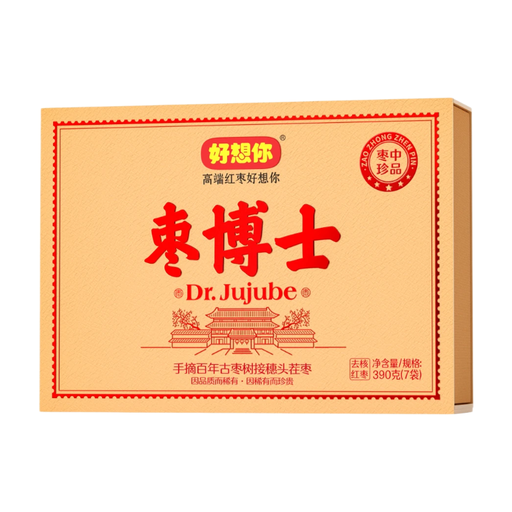
A good option if you want to portion out a pack of pitted jujubes yourself.
The product information states 390 g and, per 100 g, 0 g fat, 50,0 g sugar and 327 kcal. Store in a cool, dry place.
 No image available
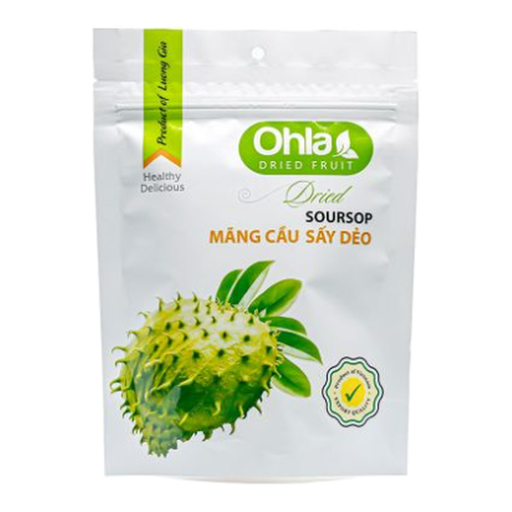
Another dried fruit to consider alongside raisins; check the ingredients if they matter for any of the participants.
The product information states 180 g and, per 100 g, 2,21 g fat, 72,6 g sugar and 348 kcal. The listed ingredients are white sugar, glucose and sodium metabisulphite.
 No image available
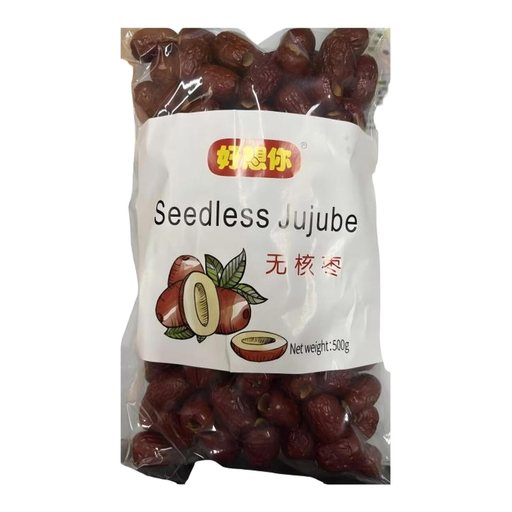
The product information describes the pitted jujubes as ready to eat, so you can decide on the portion yourself.
The pack contains 500 g. Per 100 g, the product information states 0,5 g fat, 60 g sugar and 300 kcal; store in a cool, dry place.
 No image available
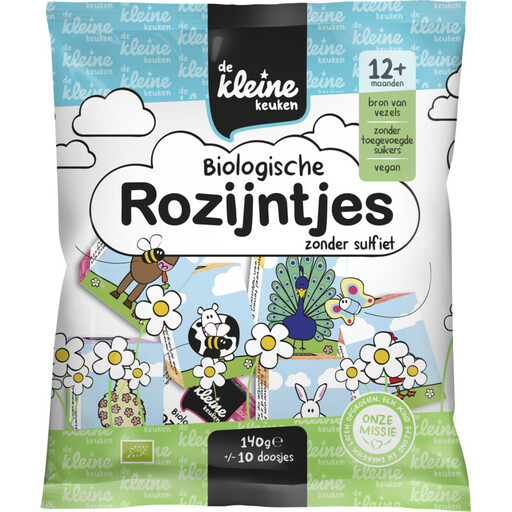
The product information states that there are 10 individual 14 g boxes, making these a good option if you want ready-portioned treats.
According to the product information, this variety is intended for children over 12 months. Supervise children while they eat and don’t give this product to children with swallowing difficulties.
 No image available
Compare the nutritional values per 100 g with your selection criteria before choosing this product for the activity.
The product information states 180 g and, per 100 g, 3,75 g fat, 57,5 g sugar and 375 kcal. For solid foods, the European Commission sets a maximum of 3 g fat per 100 g for a ‘low fat’ claim; the stated amount is above this limit.
No. A low absolute fat content alone doesn’t prove that the fat content has been reduced compared with a similar product. For solid foods, the European Commission sets a maximum of 3 g fat per 100 g for a ‘low fat’ claim; the Voedingscentrum describes ‘light’ as meaning at least 30% less energy, fat or sugar. Check what the claim applies to and what the comparison is based on.
Not necessarily. The product information for PLUS Dried Apricots states 0 g added sugar, but also 53,4 g total sugar per 100 g.
The Voedingscentrum lists raisins as a possible snack around a child’s first birthday, when they start eating meals with the family. Don’t give them too many at once and stay with the child because of the choking risk; this is nutritional guidance, not a legal age limit.
No, check the information on the exact pack. The PLUS apricots reviewed list sulphites; the Jumbo raisin boxes state that they may contain, among other things, milk, soya and various nuts.
On 14 November 2025, NU.nl reported a recall of Jumbo Snoeprozijntjes with barcode 8718452534326 and best-before date 28-07-2026. The report advised consumers not to eat that specific pack; the best-before date mentioned has now passed. This report is not evidence that other varieties or batches were recalled.