What should you look for when choosing?
First decide which substance needs to be avoided, then check the product information and how you’ll serve the portion.
| What to consider |
What should you check? |
Who is this important for? |
| Suitability for a specific diet |
Read the ingredients, the relevant free-from information and any warnings about possible cross-contamination. A lactose-free label is not the same as a milk allergy label. |
If I’m looking for something for a guest with a specific gluten, lactose or allergy-related need, I want to be able to check that exact information. Around 33% of consumers choosing dried fruit for drinks nibbles put suitability for a specific diet first. |
| Sulphites |
Look for sulphur dioxide, sulphites and E220–E228. The European Commission sets a labelling threshold for sulphites of more than 10 mg/kg or 10 mg/L. |
If I need to avoid sulphites, I want to be able to check the additives in my chosen product separately. Around 27% of consumers in this purchasing context make avoiding sulphites their top priority. |
| Added and total sugars |
Check added sugars and total sugars separately per 100 g. PLUS states that its own dried apricots contain 0 g of added sugars and 53,4 g of total sugars per 100 g. |
If I don’t want added sugar, I check that separately from the allergen information. Around 20% of consumers make avoiding added sugar their top priority. |
| Serving separately |
Prepare the gluten-free portion separately and use a clean work surface and clean utensils, away from crumbs and breaded snacks. |
If there are different snacks on the table, I want to be able to prepare and serve the suitable portion separately. Around 20% of consumers prioritise practical, separate serving. |
Dried fruit at Joybuy
Below are dried fruit products for serving with drinks and nibbles, including options with and without added sugar according to the available product information. Check the ingredients, allergen information and any warnings relevant to your situation on each pack.
 No image available
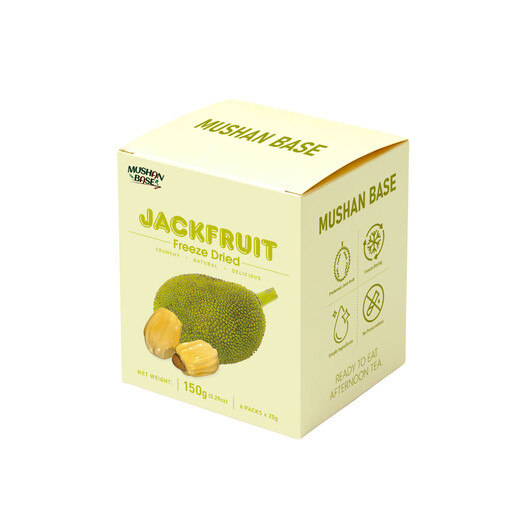
MUSHAN BASE freeze-dried jackfruit 150 g (6 × 25 g)
The pack size mentioned may be handy if you want to serve jackfruit in individual portions.
The product information lists jackfruit as the only ingredient and says there is no added sugar. According to the same information, the pack contains six 25 g bags.
Joybuy
 No image available
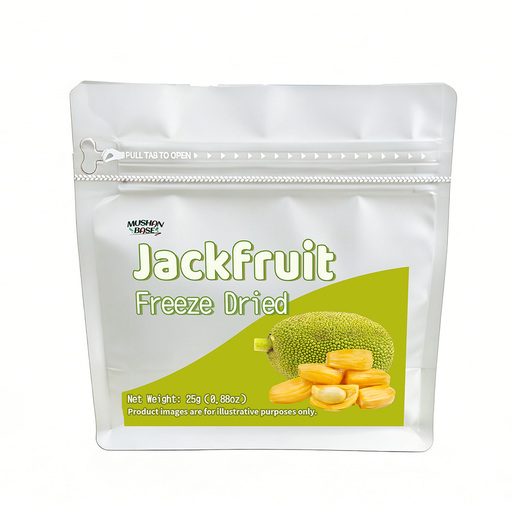
MUSHAN BASE freeze-dried jackfruit 25 g
This single-portion pack is ideal if you want to serve an individual bag with drinks and nibbles.
The product information lists jackfruit as the only ingredient, says there is no added sugar and gives a serving size of 25 g.
Joybuy
 No image available
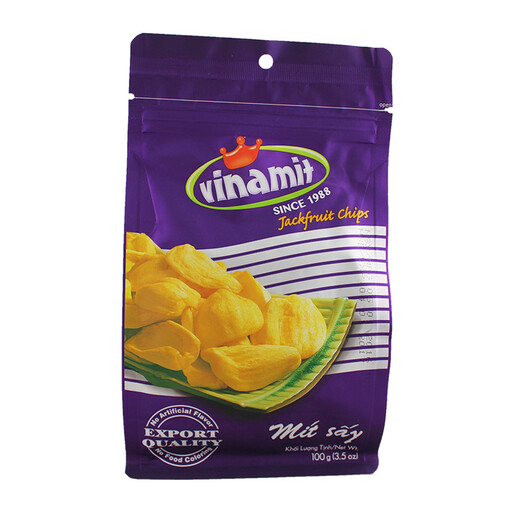
Vinamit Jackfruit Snack In Pieces 100 g
The snack pieces described are an option if you want to serve jackfruit as a nibble.
The product information lists 98% jackfruit and vegetable oil. It also makes a claim about the 14 major EU allergens; check the pack for the information you need for your situation.
Joybuy
 No image available
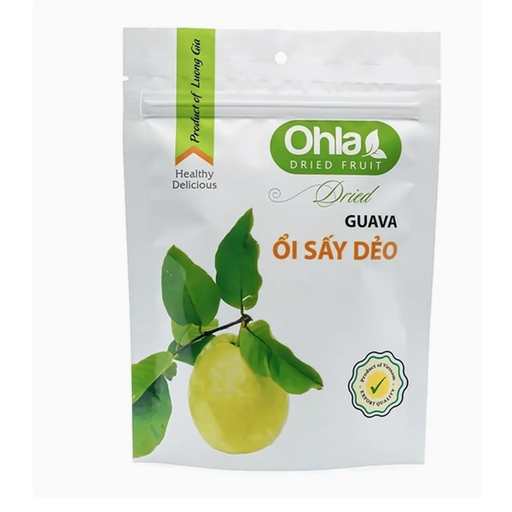
OHLA dried guava 180 g
This dried guava can be served as a fruity snack with drinks and nibbles if the ingredients suit your preferences.
The product information lists guava, sugar and a preservative. This product isn’t suitable if you prefer dried fruit with no added sugar. Check the pack for relevant allergen information.
Joybuy
 No image available
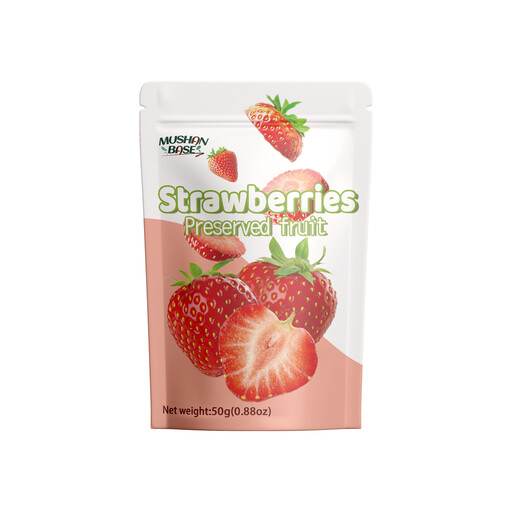
MUSHAN BASE dried strawberry slices 50 g
The strawberry slices are a ready-to-serve snack option for drinks and nibbles.
The product information lists dried strawberries and sugar. This product isn’t suitable if you prefer dried fruit with no added sugar; also check the full pack for allergen information.
Joybuy
Frequently asked questions
Is lactose-free the same as suitable for someone with a milk allergy?
No. Lactose intolerance relates to milk sugar, while with cow’s milk allergy the immune system reacts to milk proteins. Voedingscentrum explains the difference, so if you have a milk allergy, don’t base your choice on a lactose-free label alone.
Should I serve dried fruit separately for a gluten-free guest?
Prepare the portion separately and use clean utensils and a clean work surface. The Dutch Coeliac Society highlights the risk of gluten transferring via crumbs and used equipment.
What does a sulphite label on the packaging mean?
The European Commission sets a labelling threshold for sulphur dioxide and sulphites of more than 10 mg/kg or 10 mg/L. Check the ingredients and allergen information on the specific pack; a free-from label for another substance doesn’t answer the question of sulphites.
Does ‘no added sugar’ mean dried fruit is sugar-free?
No. Added sugars and total sugars are different things. PLUS states that its dried apricots contain 0 g of added sugars and 53,4 g of total sugars per 100 g.
How should I interpret a ‘May contain X’ warning?
Consider the warning in relation to the specific substance you need to avoid. According to the NVWA, a precautionary warning is used following a risk assessment that shows reference values could be exceeded; check the warning on the pack and, if in doubt, don’t assume the product is free from that substance.


