
Shoppers watching their fat intake
You’re looking for a sweet option to serve with drinks and compare the fat content on the label rather than relying on a product claim alone.


Choose based on the nutrition information for the specific product, and don’t treat the term ‘reduced fat’ as proof on its own. The apricots from Albert Heijn, Jumbo and PLUS included in this comparison list 0.5–0.6 g of fat per 100 g in their product information. Also compare sugars and energy, check allergen information and portion size, and find out how to store any leftovers.
You’re looking for a sweet option to serve with drinks and compare the fat content on the label rather than relying on a product claim alone.
You’re keeping an eye on sugar and energy and want to tailor the amount of dried fruit to what you’re serving.
You’re considering pack size, allergen information and what to do with an opened pack.
| What to consider | What should you check? | Who might prioritise this? |
|---|---|---|
| Fat content | Compare the fat per 100 g on the label. The European Commission sets a maximum of 3 g per 100 g for a ‘low fat’ claim on solid foods. | If I’m mainly looking for a low, verifiable fat content to serve with drinks, I compare the nutrition information for the exact product. Around 36% of shoppers put fat content ahead of other buying considerations. |
| Sugar, energy and portion size | Check both sugars and energy per 100 g, and decide in advance how much you want to serve. The World Cancer Research Fund advises eating no more than 20 g of dried fruit a day. | If I want to keep track of my sugar and energy intake, I also consider my portion size, not just the fat content. Around 29% of shoppers give these factors top priority. |
| Sulphites and other allergens | Read the ingredients and allergen information on the specific pack, including any warnings about possible traces. | If I’m buying for someone with a relevant sensitivity, I check the label on the exact product. Allergen information comes first for around 21% of shoppers. |
| Pack size and storage | Compare the net weight and follow the storage instructions after opening; the soaked AH apricots should be refrigerated at a maximum of 7°C. | When I’m buying for several people, I want a pack that suits the occasion and to know how to store any leftovers. Around 14% of shoppers consider packaging and storage the most important factors. |
Jumbo’s product information lists 0.5 g of fat, 51 g of sugars and 237 kcal per 100 g for the apricots included in this comparison. A low fat figure doesn’t tell you how much sugar or energy the product contains.
Compare the nutrition information per 100 g and decide in advance how much you’ll serve.
A statement about preservatives doesn’t automatically tell you whether a product is suitable for someone with an allergy. Historical product information for Jumbo Organic Dried Apricots listed possible traces of nuts, peanuts and sesame; always check the information on the pack you’re buying.
Check allergen information separately from other ingredient claims, and follow the information on the current packaging.
Albert Heijn’s product information says to refrigerate its soaked apricots at a maximum of 7°C after opening. Following different storage instructions could mean you’re not storing leftovers as directed in the product information.
Read the instructions before opening the pack and decide where you’ll store any leftovers.
The soaked dried apricots are an option if you’re looking for fruit that’s already been soaked.
Pitted dried apricots in a 250 g pack.
Dried apricots in a 375 g stand-up pouch.
Alesto includes dried fruit, such as apricots; the retailer features a range of dried stone fruit.
ALDI describes TRADER JOE’S Sun-Dried Apricots as soft dried apricots.
Dirk describes 1 de Beste Apricots as soft apricots for snacking.
This Joybuy selection includes ready-to-eat dried fruit, such as pitted dates, soursop and raisins. Compare the nutrition and packaging information for each product, as it can vary between products.
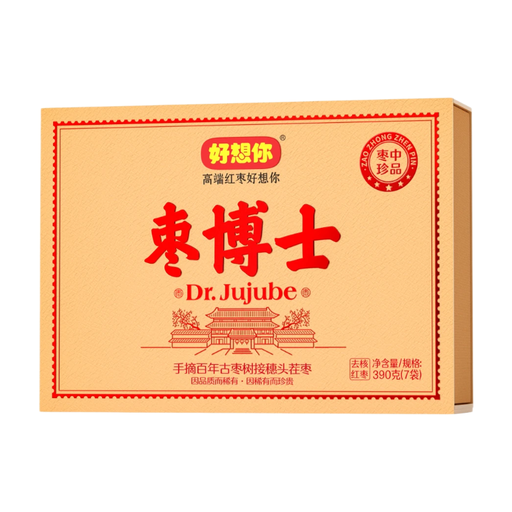 Image unavailable
According to the product information, the pitted dates are ready to eat.
Pack size: 390 g. The product information lists 0 g of fat and 50.0 g of sugars per 100 g.
The product information says to consume immediately after opening.
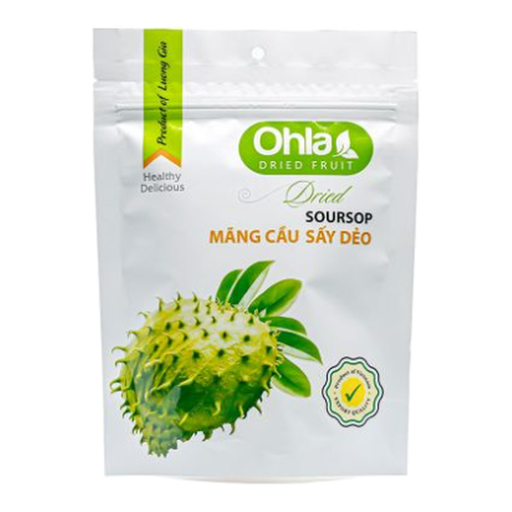 Image unavailable
The product description calls this dried fruit a soft snack.
Pack size: 180 g; the product information lists approximately 95% soursop.
The product information lists 2.21 g of fat, 72.6 g of sugars and 348 kcal per 100 g.
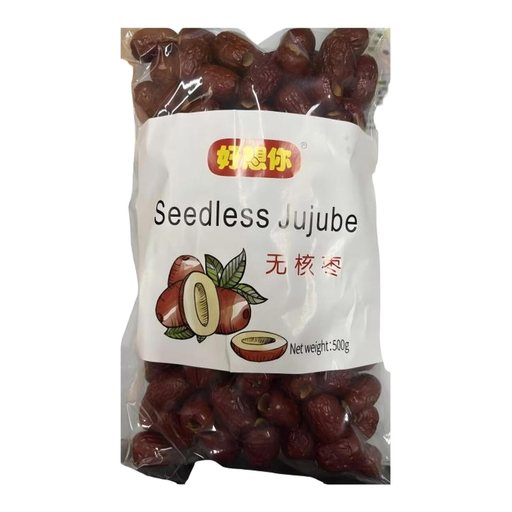 Image unavailable
According to the product information, the pitted dates are ready to eat.
The pack contains 500 g; the ingredients list states 100% red dates.
The product information lists 0.5 g of fat and 60 g of sugar per 100 g. Reseal tightly after opening and store in a cool, dry place.
 Image unavailable
According to the product information, the pack contains ten individual 14 g portions.
The product information says no sugars have been added.
According to the product information, this product is intended for children over 12 months. Supervise children while they eat; this product is not suitable for children with swallowing difficulties.
A solid food must contain no more than 3 g of fat per 100 g. The European Commission sets this as a condition for the nutrition claim; it isn’t a general statement about a product’s nutritional value.
No. For the apricots included in this comparison, PLUS lists 0 g of added sugars but also 53.4 g of naturally occurring sugars per 100 g. So check both figures in the product information.
The World Cancer Research Fund advises eating no more than 20 g of dried fruit a day. This is dietary advice, not a legal product limit; decide in advance how much you want to serve with drinks.
Follow the instructions on the pack. Albert Heijn says to refrigerate its soaked apricots at a maximum of 7°C after opening; also check the use-by information on the label.
Businesses are required to provide information about allergens present. The Netherlands Food and Consumer Product Safety Authority says this can be given in writing or verbally for unpackaged products; if it’s given verbally, customers must be clearly told that they can ask for it.