
Hosts with guests who have allergies
You want to know which allergen a guest avoids, so you assess the ingredients and relevant warnings for each product. The NVWA and Voedingscentrum emphasise the importance of allergen information.


Start with the substance or ingredient a guest needs to avoid, then choose the type of fruit and pack size. Check ingredients and precautionary allergen warnings separately, treat sulphites as distinct from food allergies, and don’t confuse ‘no added sugar’ with sugar-free. Serve products that need to be kept separate apart from one another.
You want to know which allergen a guest avoids, so you assess the ingredients and relevant warnings for each product. The NVWA and Voedingscentrum emphasise the importance of allergen information.
You’re looking specifically for information about sulphites and distinguishing between unsulphured fruit and a product that might be suitable for all allergies. Stichting Voedselallergie describes sulphites as preservatives.
You’re looking for dried fruit with no added sugar, while bearing in mind that dried fruit naturally contains sugar. Voedingscentrum makes this distinction in its information about fruit.
Start with each guest’s specific dietary requirement. A type of fruit or a broad product description alone won’t tell you whether a product meets that requirement.
| What to consider | What should you check? | Who is this important for? |
|---|---|---|
| Specific allergen | Read the ingredients and check the precautionary allergen warnings separately. The NVWA explains the information requirements for the statutory allergen list. | If a guest needs to avoid a particular allergen, I want to be able to assess the ingredients and warnings separately. Around 31% of consumers make checking for allergens their top purchase priority. |
| Sulphites | Check the product information; use ‘unsulphured’ only as a search term, not as a general guarantee for allergy sufferers. Stichting Voedselallergie lists E220–E228 as sulphite preservatives. | If a guest needs to avoid sulphites, I look for them specifically and check the full product information. Around 25% of consumers prioritise avoiding sulphites. |
| Added sugar | Check the ingredients for added sugar and bear in mind that dried fruit naturally contains sugar. Voedingscentrum explains this distinction. | If I want to avoid added sugar, I don’t want to assume that this makes the fruit sugar-free. Around 19% of consumers prioritise this requirement. |
| Serving separately | Keep the product information with the correct bowl and use separate serving utensils for products that need to be kept apart. | For a buffet, I want to be able to tell which information goes with each bowl and keep products separate. Around 13% of consumers prioritise clear serving and storage arrangements. |
| Suitable quantity | Match the pack size to the number of guests and your portion plan; follow the storage instructions on the pack for any leftovers. | If I only need a small amount of a particular type of fruit, I want to choose a pack size to suit. Around 12% of consumers prioritise a suitable quantity. |
A general description is no substitute for checking the specific ingredients and warnings.
Make a note of what each guest needs to avoid and assess each product separately.
Unsulphured does not mean that other allergens or ingredients are absent. Sulphites need to be considered separately.
Use the description only as a search term for sulphites, then check the full product information.
Dried fruit still contains sugar even when none has been added, as Voedingscentrum explains.
Check the ingredients and consider sugar separately from allergen information.
At a buffet, a product that needs to be kept separate can still come into contact with other snacks while you’re setting up or serving.
Keep the products clearly separate and use separate serving utensils. Sensz highlights cross-contamination as something to consider when serving buffet food.
Worth considering if you want to compare individual types of fruit and products with a specific description, such as unsulphured.
Worth considering when you want to match the type of fruit and pack size to your portion plan.
The Alesto range is worth considering if you want to compare individual products and mixes for snacking or adding as a topping.
Worth considering if you want to look at an individual product containing dried apricots.
Worth considering if you’re looking for an individual product containing dried apricots.
Worth considering if you’re looking for raisins for your party.
This Joybuy selection focuses on dried fruit and fruit products where ingredients, type of fruit or individual portions may be relevant. Ingredients vary by product, so check the current label to make sure it meets your guests’ requirements.
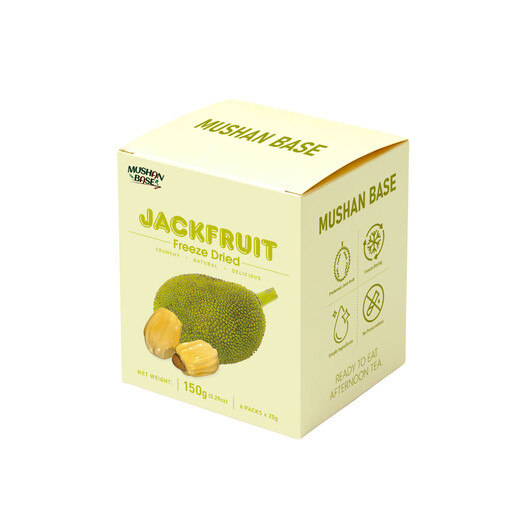 No image available
The individual bags may suit your portion plan for a party. The product information lists jackfruit as the only ingredient and says no added sugar; check the current allergen information for your guests too.
 No image available
These dates may suit you if you want to serve one type of fruit on its own. The product information lists dates as an ingredient; read the current label and warnings before serving them to your guests.
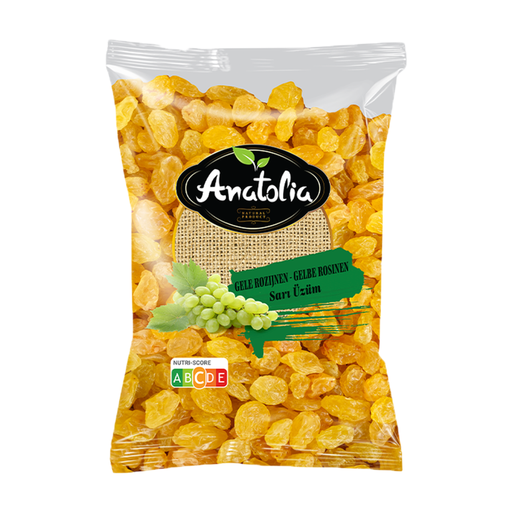 No image available
These raisins may suit you if you want to serve or use a single type of fruit. The product information lists dried grapes as an ingredient; check the current product information against your guests’ requirements.
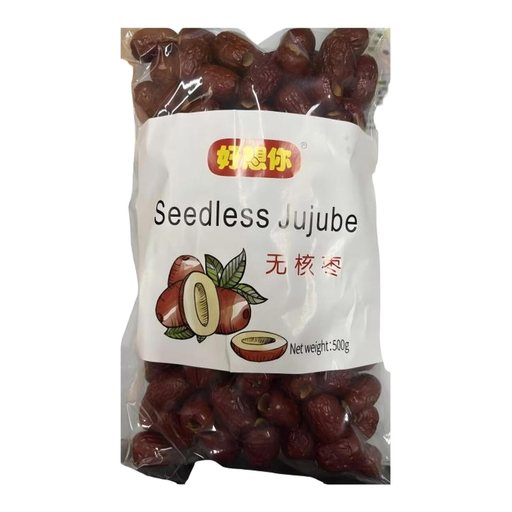 No image available
The pitted jujubes may suit you if you want to serve fruit without stones. The product information lists red dates as the only ingredient; check the current label and relevant warnings for your guests.
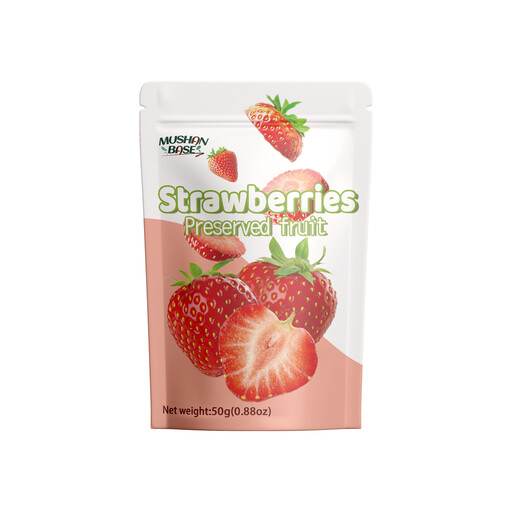 No image available
These slices may work as a fruity snack or topping if added sugar is not a concern. Sugar is listed in the ingredients, so this product is not suitable if you need to avoid added sugar.
No. The NVWA describes a specific list of 14 allergens that must be disclosed. This list is not a general declaration that a product is suitable for every guest; assess it against each person’s specific requirements.
No. ‘Unsulphured’ indicates a specific requirement relating to sulphites; it is not a general guarantee for allergy sufferers. Stichting Voedselallergie describes sulphites as preservatives; check the other ingredients and warnings too.
No. No added sugar does not mean that the fruit itself contains no sugar. Voedingscentrum recommends a maximum of 20 g of dried fruit per day; this is general dietary information, not an individual medical portion or a legal limit for parties.
Use clearly identifiable separate bowls and separate serving utensils for products that need to be kept apart. Keep the packaging with the correct bowl too, so the ingredient information is available. This won’t prevent a product from being unsuitable if it was chosen incorrectly in the first place.
According to the NVWA, new rules take effect on 1 January 2026 on how and when food businesses must warn about allergens that may inadvertently enter food. The NVWA will monitor compliance with these rules from 2026. This does not automatically make a product suitable for every diet.