
Host with guests who have allergies
You want to choose snacks based on the specific ingredients and allergens your guests need to avoid. A general allergy-free promise isn’t enough.


Choose dried fruit based on the specific ingredients and dietary claim that matter to your guests, rather than relying on a general free-from promise. PLUS Sultana raisins and AH unsweetened mango are listed as gluten-free and lactose-free, but the mango may also contain peanuts and nuts. Always check the full information on the packaging; a lactose-free claim, for example, does not mean a product is suitable for someone with a cow’s milk allergy.
You want to choose snacks based on the specific ingredients and allergens your guests need to avoid. A general allergy-free promise isn’t enough.
You’re looking for dried fruit with a suitable, product-specific dietary claim. Keep lactose intolerance separate from cow’s milk allergy: they require different checks.
You check preservatives in products such as apricots and raisins, and look for an option without added sulphites. This doesn’t mean it’s free from all allergens.
Start with the specific substance a guest wants or needs to avoid, then check the ingredients, warnings and dietary claims on the exact product packaging. Also consider whether the storage and serving instructions work for your garden party.
| What to check | Check when buying | Who is this important for? |
|---|---|---|
| Allergens and cross-contamination | Read the full ingredients list and any warnings, such as ‘may contain’, on every pack. | As a host, I want to know which allergens my guests avoid and take possible cross-contamination into account too. Around 31% of consumers put allergen checks first. |
| Gluten and lactose claims | Check that the claim appears on the exact product; if someone has a cow’s milk allergy, also check for milk ingredients and warnings. | People avoiding gluten or lactose can benefit from a suitable product-specific claim; lactose-free does not prove a product is suitable for someone with a cow’s milk allergy. Around 25% of consumers put these dietary claims first. |
| Added sulphites | Look for sulphites, sulphur dioxide or E220–E228 in the ingredients; check for other preservatives too. | For consumers who want to avoid added sulphites, the ingredients list is key: ‘unsulphured’ doesn’t automatically mean free from other preservatives. Around 19% of consumers prioritise this check. |
| Sugar information | Check both the ingredients and the nutritional information, including ‘of which sugars’ per 100 g. | If I want to avoid added sugar, I also check the total sugars on the label. Around 13% of consumers make this their top priority when choosing. |
| Storage and serving | Follow the storage instructions for the exact product and keep the original packaging with the snacks. | For consumers who want to keep serving simple, storage instructions and easy-to-manage portions matter. Around 12% of consumers prioritise practical storage and serving. |
Stichting Voedselallergie advises reading the full ingredients list for every product, every time. The NVWA describes ‘may contain’ as a warning about possible accidental presence; it is not an individual guarantee of tolerance. Examples of sugar information on product pages also show why ‘unsweetened’ doesn’t mean sugar-free: AH unsweetened mango lists 61 g of sugars per 100 g and PLUS Sultana raisins 68,2 g per 100 g, according to the relevant product information.
A suitable dietary claim doesn’t rule out other allergens. AH unsweetened mango, for example, is listed as gluten-free and lactose-free, but may contain peanuts and nuts according to the product information.
Be clear about which specific claim applies, and check other ingredients and warnings separately.
The AH dried apricots examined, labelled as unsulphured, list potassium sorbate (E202) as a preservative.
Check the full ingredients list; the label only answers the question about sulphuring.
AH unsweetened mango lists no added sugar, but contains 61 g of total sugars per 100 g according to the product information.
Read both the ingredients and nutritional information, and think carefully about how much you serve.
For AH soaked dried apricots, the product information says to refrigerate after opening at a maximum of 7 °C.
Check the instructions on the exact pack before putting the snacks out for your garden party.
The variants examined have different product claims and allergen information; check each one separately.
The individual raisin variants differ in their ingredients and warnings.
According to Lidl, the Alesto range includes dried fruit and nuts, including apricots.
ALDI identifies Trader Joe’s Sun-Dried Apricots as dried fruit.
The Sultana raisins and dried apricots examined have different ingredients and product claims.
1 de Beste Sultana Raisins are a dried fruit option that Dirk suggests for yoghurt, muesli and baking recipes, among other uses.
These Joybuy products are dried fruit options to consider alongside your guests’ dietary needs. Check the current ingredients, allergen information and warnings on each pack before serving.
 No image available
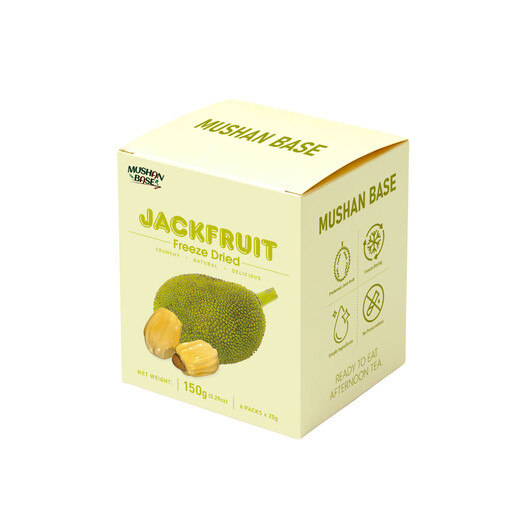
The product description lists jackfruit as the only ingredient and says no sugar has been added; check the packaging against your guests’ needs.
Pack size: 150 g, divided into 6 portions of 25 g.
 No image available
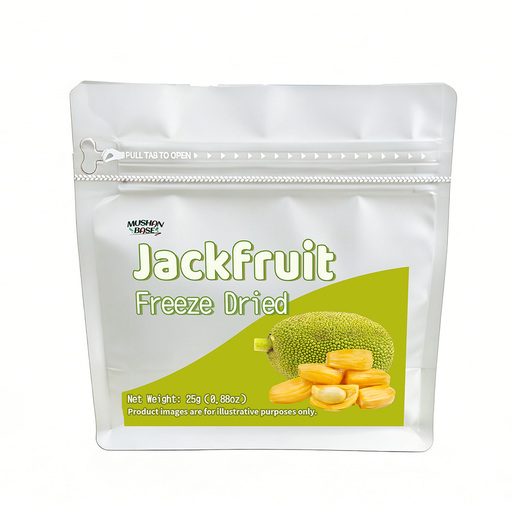
The product description lists jackfruit as the only ingredient and says no sugar has been added. Check the current packaging for allergen information relevant to your guests.
 No image available
The description says the dried guava is ready to eat as a snack. The ingredients information lists sugar and a preservative, so this isn’t the right choice if you want to avoid added sugar.
The product information lists none of the 14 major EU allergens; also check the current packaging and any warnings.
 No image available
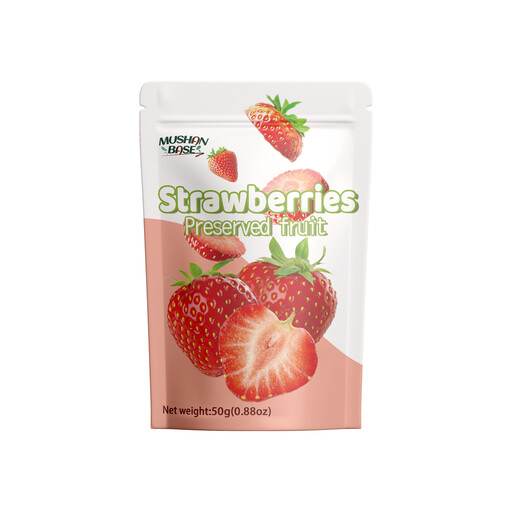
The description suggests enjoying these as a snack or as a topping for yoghurt and desserts. The ingredients information lists sugar, so this product isn’t suitable if you’re avoiding added sugar.
Ingredients listed in the product information: dried strawberries and sugar.
 No image available
The product description says the apricots are ready to eat as a snack. The ingredients information lists sulphites, sugar and maltose syrup, so this variant isn’t suitable if you’re avoiding added sulphites or added sugar.
The sulphite listed is sodium metabisulphite.
Not on the basis of that claim alone. Lactose intolerance relates to milk sugar; cow’s milk allergy relates to milk proteins. If someone has a cow’s milk allergy, also check for milk ingredients and relevant warnings.
It warns of the possible accidental presence of an allergen and doesn’t indicate an intentionally added ingredient. According to the NVWA, such a warning must be based on a risk assessment and must not be used where there is no risk of exceeding the reference values. The warning is not an individual guarantee of tolerance.
Keep the original packaging with the snacks and, as a practical precaution, use separate, clean bowls and serving spoons. Discuss with the guest concerned which ingredients and warnings are relevant; serving items separately doesn’t replace checking the product information.
Follow the instructions for the exact variant. For AH soaked dried apricots, the product information says to refrigerate after opening at a maximum of 7 °C. So refrigerate this variant, and don’t automatically apply its instructions to other dried fruit.
Yes. According to the NVWA, the policy must be applied from 1 January 2026. The production date is decisive: older stocks of packaged products may still be sold under the transitional conditions, provided the food is not unsafe.
Businesses offering unpackaged food must provide information about the 14 legally listed allergens. The NVWA describes written and oral options, subject to certain conditions. These rules for businesses don’t automatically apply as an obligation to every private host.