
I want a low-fat snack
You’re looking for a small, sweet addition to your desk lunch and want to assess everyday fruit varieties based on their actual fat content, not an unsubstantiated claim about reduced fat.


For a quick desk lunch, plain raisins or dried apricots are sensible fruits to compare. But check the label on the exact pack: average values for a type of fruit don’t prove that a branded product has a reduced fat content. The Netherlands Nutrition Centre gives average values of 0.1 g fat, 65 kcal and 13.8 g sugars for a 20 g handful of raisins. So a low fat content alone tells you nothing about the sugar or energy in your portion.
You’re looking for a small, sweet addition to your desk lunch and want to assess everyday fruit varieties based on their actual fat content, not an unsubstantiated claim about reduced fat.
You want a lighter snack, so you’re looking at more than just fat: you’re also checking how much you eat, and the sugars and energy in that portion. The Netherlands Nutrition Centre provides average values for different types of fruit; for a branded product, use the information on the exact pack.
You’re looking for fruit to eat alongside your lunch or add to it, in packaging that suits your working day and with storage instructions that work for you. For dried apricots, the Netherlands Nutrition Centre gives general storage advice, but always follow the instructions on the specific pack.
Start with what matters most to you: the fat content of the exact product, how much you take with you, or packaging that suits how often you eat dried fruit.
| What to consider | What should you check? | Who is this important for? |
|---|---|---|
| Fat content of the product | Check the fat content in grams per 100 g on the pack. For a ‘low fat’ claim, the European Commission specifies a maximum of 3 g fat per 100 g for solid foods; this alone does not establish that a product has a reduced fat content. | If keeping fat low is my top priority, I want to check the exact product rather than go by the name of the fruit. Around 31% of consumers put actual fat content first. |
| Portion, energy and sugars | Decide how many grams you want to eat and check the energy and sugars for that amount. The World Cancer Research Fund recommends a maximum of 20 g dried fruit per day; this is dietary advice, not a legal requirement for buying a product. | If I want to keep my desk lunch small, I want to know how much I actually take with me and eat. Around 31% of consumers prioritise keeping portions in check and the energy they contain. |
| Ingredients and how you’ll eat it | Check the ingredients if you want to avoid added sugar. Also consider whether you want to eat the pieces on their own or add them to your lunch. | If I want something to eat or add to my lunch during a short break, I check the ingredients and how the product is intended to be used. Around 25% of consumers prioritise lunchtime convenience and suitable storage. |
| Packaging and storage | Compare the net weight with how often you use the product, and follow the storage instructions on the exact pack, especially after opening. | If I don’t eat dried fruit often, I want to choose an amount that suits how I use it and know how to store the rest. Around 13% of consumers focus mainly on choosing a suitable pack size and avoiding waste. |
Low fat content is only one part of the decision: check the portion and the information for the exact product, too.
According to the Netherlands Nutrition Centre, an average 20 g handful of raisins contains 0.1 g fat, but also 65 kcal and 13.8 g sugars.
Consider how much you eat, as well as the energy and sugars in that portion, rather than looking only at the fat content.
Average values for raisins or apricots aren’t the nutrition declaration for a specific supermarket product. Albert Heijn also warns that product information can change.
Use average values for a type of fruit as a guide, and check the label on the exact product before buying.
Packs with different net weights don’t automatically correspond to a recommended portion. The World Cancer Research Fund recommends a maximum of 20 g dried fruit per day.
Decide in advance how much you want to take with you, and choose a pack based on how you’ll use it and its storage instructions.
Among the products reviewed, AH Soaked Dried Apricots are a relevant option to assess by checking the label.
Jumbo Blanched Raisins 250 g is a specific raisin product in the range reviewed.
Lidl sells dried fruit under its Alesto range. The retailer describes mango strips, for example, as suitable for work or eating on the go.
ALDI lists TRADER JOE'S Raisins 500 g and Sun-Dried Apricots 250 g, among other products. TRADER JOE'S is the product name; ALDI is the retailer.
PLUS Sultana Raisins is a specific product in the range reviewed.
Dirk lists 1 de Beste Apricots 375 g; according to Dirk, 1 de Beste is its own-label brand.
These Joybuy products are in the dried fruit category. Check the product information and ingredients for the exact product before choosing.
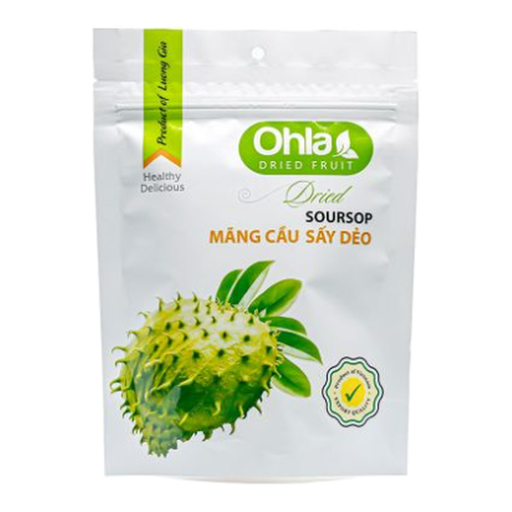 No image available
The listed fat content may be useful when comparing products by fat per 100 g; check the ingredients and sugars as well.
The product information lists 2.21 g fat and 72.6 g sugars per 100 g. The ingredients list includes white sugar and glucose.
 No image available
According to the product information, these dried red apricots are ready to eat straight from the pack.
The nutrition table lists 0 g fat per 100 g. The ingredients list includes sodium metabisulphite.
 No image available
According to the product information, these dried red apricots are ready to eat.
The nutrition table lists 1.0 g fat per 100 g. The ingredients list includes E223 (sodium metabisulphite).
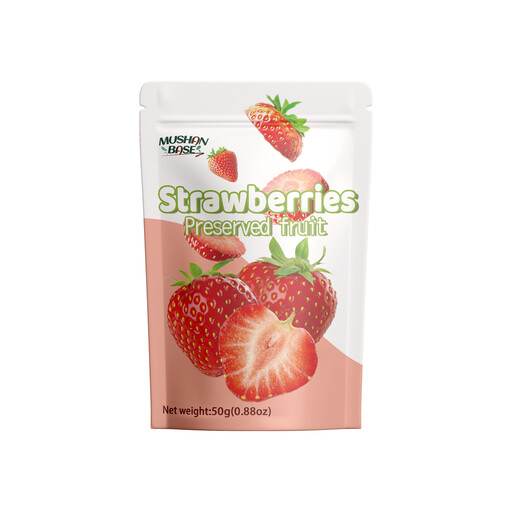 No image available
The listed pack size may be useful if you want to take a small amount with you for lunch.
The nutrition table lists 2.6 g fat per 100 g. The pack contains 50 g; the ingredients list includes sugar as well as dried strawberries.
 No image available
The pack is divided into portions, which may suit you if you want to take a small amount with you in advance.
The product information lists 10 boxes of 14 g, with no added sugars and no sulphites. The product is labelled as suitable from 12 months; children should be supervised while eating.
No, they’re different things to consider. For a ‘low fat’ claim on solid foods, the European Commission specifies a maximum of 3 g fat per 100 g. A low average value for a type of fruit doesn’t prove that a specific pack has a reduced fat content; check the claim and information for the exact product.
Check the ingredients list on the exact pack. A statement such as ‘no added sugars’ doesn’t mean that the product contains no naturally occurring sugars.
Decide in advance what amount works for your lunch and check the nutritional values for that portion. The World Cancer Research Fund recommends a maximum of 20 g dried fruit per day; this is dietary advice, not a legal requirement for buying a product.
For dried apricots, the Netherlands Nutrition Centre gives a general recommendation of 6–9 months in a kitchen cupboard. Don’t automatically apply this to soaked apricots or fruit already mixed into your lunch; follow the instructions on the exact pack.
Check the allergen information on the exact pack. According to the Netherlands Food and Consumer Product Safety Authority, this information must be provided on the label of prepacked products. The name of the fruit alone doesn’t prove that a product is suitable for your allergy.