What should you look for when buying?
Start with the nutritional information for the exact variety and your own portion size. Then check the ingredients, allergens and storage instructions for after opening.
| What to consider |
What to look for |
Who is this important for? |
| Calories per portion |
Compare kcal per 100 g and weigh your portion; calculate the calories in your portion using kcal per 100 g × portion weight ÷ 100. |
If I want to limit the calories in my snack, I weigh the amount rather than relying on the serving size on the label. Around 39% of consumers prioritise calories per portion. |
| Added sugar |
Read the ingredients list and compare total sugars with added sugars if both are listed. |
If I want to avoid added sugar, I check both the ingredients and the nutritional information. Around 15% of consumers make this their top priority. |
| Taking it with you and storage |
Check the instructions for storage before and after opening, and choose a pack size that suits how you plan to use it. |
If I’m short on time and want to keep my snack at work, the pack needs to suit the refrigeration and storage space I have there. For around 23% of consumers, taking it with them and storing it is a top priority. |
| Its role in your lunch |
Decide whether you want to enjoy dried fruit as a snack, a topping or part of a more substantial lunch. |
If I’m mainly looking for a small addition to my lunch, I also consider the other parts of my meal. Around 15% of consumers prioritise this role as a lunch addition. |
| Ingredients and allergens |
Check the ingredients and allergen warnings on the pack you’re actually buying. |
If I have a personal allergy or another necessary dietary restriction, I check the information for each product. Around 8% of consumers make this their first selection criterion. |
Products on Joybuy
This selection includes dried raisins, prunes, guava, dragon fruit and apricots for snacks or lunch additions. Compare the portion size, ingredients and storage instructions for each variety.
 No image available
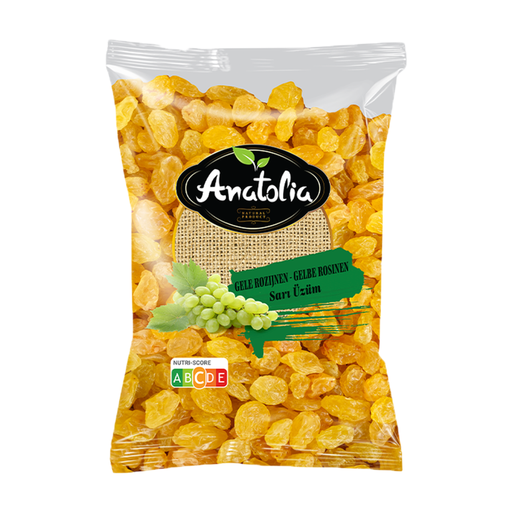
Anatolia Sari Uzum raisins, 500 g
The product information describes these golden raisins as a snack and as an addition to dishes such as salads or breakfast cereals.
The ingredients are listed as 100% dried grapes.
View on Joybuy
 No image available
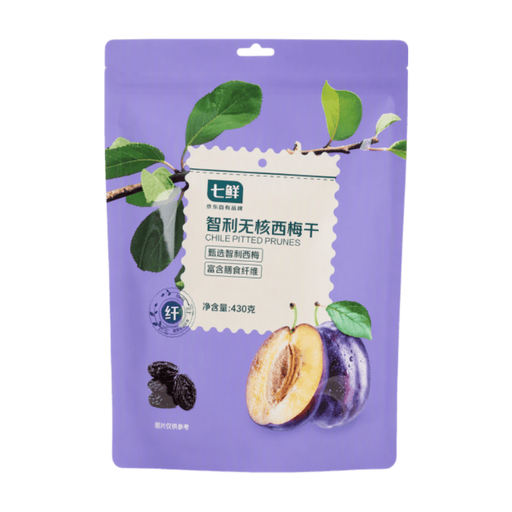
7FRESH Pitted Prunes, 430 g
The product information describes these dried prunes as ready-to-eat snacks and as a topping.
Listed nutritional value: 283 kcal per 100 g. According to the product information, the pack should be consumed immediately after opening.
View on Joybuy
 No image available
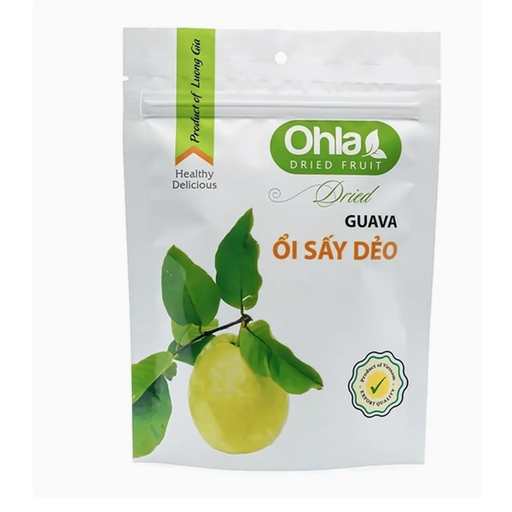
OHLA Dried Guava, 180 g
The product description presents dried guava as a snack or an ingredient.
The ingredients list guava and sugar. After opening, store the pack tightly sealed in a cool, dry place.
View on Joybuy
 No image available
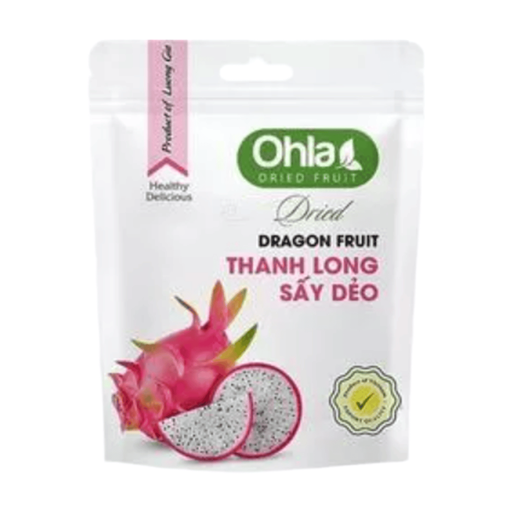
OHLA Dried Dragon Fruit, 180 g
The product description presents dried dragon fruit as a snack.
Listed nutritional value: 375 kcal per 100 g. The product information says to store it in a cool, dry place away from direct sunlight, heat and moisture.
View on Joybuy
 No image available
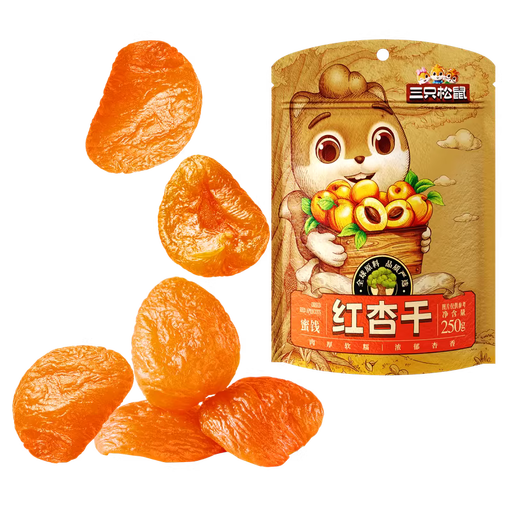
Three Squirrels Dried Red Apricots, 250 g
The product information describes these ready-to-eat apricots as a snack.
The ingredients list apricot, sugar and maltose syrup. The nutritional value is 311 kcal per 100 g; after opening, consume immediately and store in a cool, dry place away from direct sunlight.
View on Joybuy
Frequently asked questions
Is 20 g of dried fruit a legal limit?
No. The Netherlands Nutrition Centre recommends a maximum of 20 g of dried fruit per day. This is dietary advice, not a legal serving size or a personal calorie requirement. The serving size on a label may be different.
When can dried fruit be described as ‘low energy’?
For solid foods, the EU’s ‘low energy’ nutrition claim applies to products with no more than 40 kcal (170 kJ) per 100 g, according to the European Commission. The varieties mentioned with available nutritional information are above this limit: their labels list between 182 and 333 kcal per 100 g. A small portion does not change the assessment per 100 g.
How do I calculate the calories in my portion?
Multiply the kcal per 100 g shown on the label by the weight of your portion in grams, then divide the result by 100. This lets you compare portions using the nutritional information for the exact variety, without relying on a single fixed number of pieces for different types of fruit.
Can I keep an opened bag of dried fruit in my desk drawer?
Follow the instructions on the specific pack. AH Soaked Dried Apricots must be refrigerated after opening at a maximum of 7 °C; Jumbo Pitted Dried Apricots should be stored in a cool, dry and dark place. A warm spot or direct sunlight is not suitable under Jumbo’s instructions.
Does ‘no added sugar’ mean there’s no sugar or calories?
No. PLUS Dried Apricots lists 0 g of added sugar, but also 53.4 g of total sugars and 254 kcal per 100 g. So check both the ingredients list and the nutritional information.


