
Cyclists who take small portions with them
You want to know in advance how much to put in your bag. Weighing it makes the amount clear; the Netherlands Nutrition Centre’s general table uses a 20 g portion of raisins.


First decide how much dried fruit you want to take for each snack, then choose packaging to suit. According to the Netherlands Nutrition Centre’s general nutrition table, 20 g of raisins contains 14,3 g of carbohydrates. Its general recommendation of no more than 20 g of dried fruit a day is not a per-hour cycling target. On long, intense rides, a portion of fruit does not automatically replace a separate fuelling plan.
You want to know in advance how much to put in your bag. Weighing it makes the amount clear; the Netherlands Nutrition Centre’s general table uses a 20 g portion of raisins.
You want to prepare several portions at home from a larger bag, or reseal a pack after use. Check the pack size and whether the specific bag is resealable.
You’re looking for a snack to take on the ride, but don’t want to confuse it with a complete plan for prolonged exertion. The Netherlands Nutrition Centre discusses additional sports nutrition for long, intense training sessions.
| What to consider | What to look for | Who is this important for? |
|---|---|---|
| Portion size and carbohydrates | Weigh the amount and use the nutrition information on the pack you choose. | If I want to know how much I’m taking for each snack, I weigh the portion. Around 31% of consumers prioritise portion weight and carbohydrates per snack. |
| Taking it with you and resealing | Check whether the specific bag is resealable; resealable does not mean pre-portioned. | If you want to reseal the pack on the go and avoid transferring too much, ease of use is key. Around 31% of consumers prioritise portability and resealing. |
| Ingredients and allergens | Read the ingredients and allergen information for the exact variety, especially for mixes. | If I want to avoid sweetened fruit or an allergen that’s relevant to me, I check the label. Around 23% of consumers make ingredients and allergens their top priority when choosing. |
| Stock and storage | Compare pack weights and follow the storage advice for the specific product. | If you buy a larger bag to portion out later, you’ll want to know whether the quantity suits how you use it. Around 15% of consumers prioritise stock levels and portion costs. |
A handful isn’t a standard measure for everyone. According to the Netherlands Nutrition Centre, a 20 g portion of raisins contains 14,3 g of carbohydrates. Use the nutrition information for your product when working out the amount.
The 14,3 g of carbohydrates in 20 g of raisins, according to the Netherlands Nutrition Centre’s general table, describes that portion. It doesn’t tell you whether your fuelling is fully tailored to prolonged exertion.
Distinguish between an everyday snack and a separate plan for long, intense cycling.
A resealable pack doesn’t determine how much you eat. An ALDI listing describes a 200 g resealable pack; the amount in the bag is not the same as a snack portion.
Decide in advance how much to take, and weigh it if needed.
A bag containing only fruit may have different ingredients from sweetened fruit or a fruit and nut mix. Nuts and sulphites may be relevant to the allergen information.
Read the ingredients and allergen information for the exact variety, especially if a product listing includes several varieties.
Albert Heijn’s category page lists dried fruit, including a fruit and nut mix and unsweetened dried pineapple.
Jumbo lists various dried fruits, including raisins and pitted dates or apricots.
Lidl has a product listing for dried tropical fruit.
ALDI lists Trader Joe's raisins in a 500 g pack, as well as a separate 200 g resealable product listing covering several varieties.
PLUS lists Sultana raisins in a 375 g stand-up pouch.
Dirk has a product listing for raisins.
These dried fruit products can be taken along as snacks. Check the ingredients on each pack and decide for yourself what portion to have.
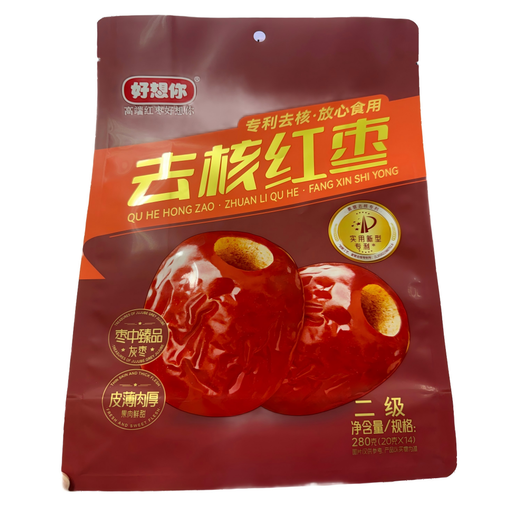 Image unavailable
A good option if you want to take pitted red dates with you; decide for yourself how much to have as a snack.
The product description lists 100% red dates (jujube), pitted, in a 280 g pack.
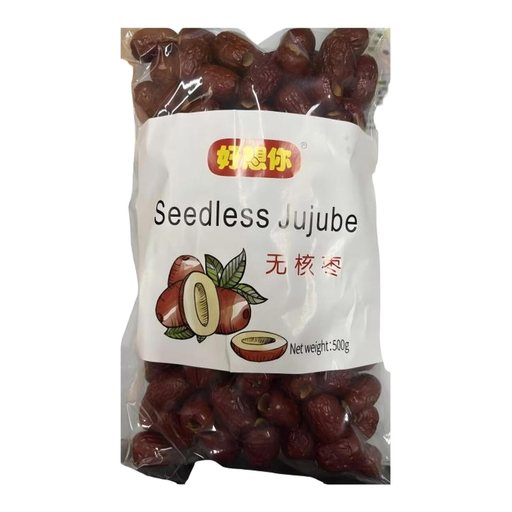 Image unavailable
A larger pack may suit you if you want to prepare several portions; you’ll need to weigh each portion yourself.
The product description lists 100% red dates, pitted, with a pack weight of 500 g.
 Image unavailable
A good option if you want to take raisins as a snack; check the product information if you want to take the ingredients into account.
The product information lists 99,5% raisins and sunflower oil; the pack contains 252 g.
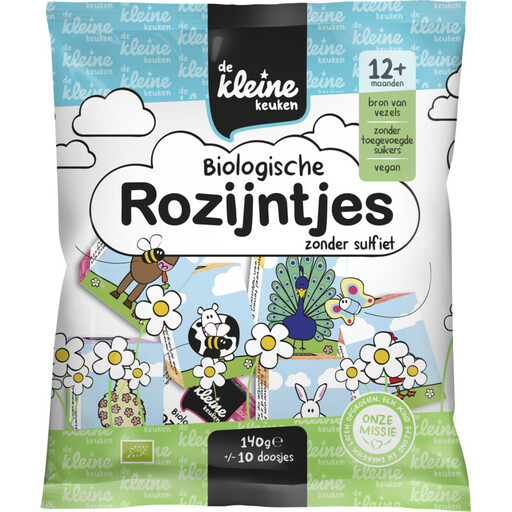 Image unavailable
The individual boxes contain a set amount; the description is for baby food for children aged 12 months and over.
The product description lists ten 14 g boxes and raisins with no added sugar or sulphites. Suitable only for children over 12 months; supervise them while they eat.
 Image unavailable
A good option if you want to mix things up with dried apricots; the product description mentions a resealable bag.
The ingredients list sugar, maltose syrup and sulphites (sodium metabisulphite). Check the ingredients if you’re looking for unsweetened fruit or want to avoid sulphites.
No. A handful is not the same amount for everyone. The Netherlands Nutrition Centre’s general table uses 20 g of raisins as a portion; this contains 14,3 g of carbohydrates. Weigh your snack if you want to calculate the amount.
According to the Netherlands Nutrition Centre, sports bars and gels aren’t needed if you exercise for less than an hour. Additional sports nutrition may be appropriate for long, intense training sessions; an everyday snack is not automatically a complete fuelling plan for your ride.
No. The Netherlands Nutrition Centre gives 20 g a day as the general recommended maximum for dried fruit. This is not an hourly target for planning nutrition during prolonged exertion.
Follow the storage advice on your product’s packaging. For opened dried mixed fruit, the Netherlands Nutrition Centre specifically recommends 6–9 months in a kitchen cupboard; this does not automatically apply to soaked fruit or portions you’ve repackaged yourself.
Check the allergen information on the exact pack. The Netherlands Food and Consumer Product Safety Authority says allergen information for prepacked products must appear on the label, and includes sulphites and nuts on its statutory list of allergens. If an allergen is relevant to you, don’t rely on the product name alone.