
Cyclists looking for recovery nutrition
You want to know whether dried fruit provides enough protein after a hard training session, and when another protein source might work better as part of your meal.


When choosing dried fruit around a bike ride, focus mainly on the carbohydrates and the portion you plan to eat, rather than treating it as your main source of protein for recovery. The three apricot labels checked provide 1.6 to 2 grams of protein per 50-gram serving. The Netherlands Nutrition Centre recommends considering your total protein intake for recovery; if needed, add a separate source of protein rather than simply eating more fruit.
You want to know whether dried fruit provides enough protein after a hard training session, and when another protein source might work better as part of your meal.
You’re looking for an alternative to specialist sports nutrition and want to compare carbohydrates per serving, without confusing protein with fuel for your ride.
You want to check the ingredients, allergen information and storage advice before choosing a product to take on the ride or enjoy at home.
First decide whether you want to eat the fruit for carbohydrates around your ride, as a snack or as part of a recovery meal. Then choose based on the serving size, ingredients and storage advice for that specific product.
| What to consider | What to look for | Who is this most relevant to? |
|---|---|---|
| Protein for recovery | Compare the protein per 100 grams and per serving you’ll actually eat; also consider your overall diet. | If recovery is your top priority, you’ll want to know how much protein the fruit really adds to your meal. Around 36% of consumers put protein for recovery first. |
| Carbohydrates around your ride | Decide whether you’ll eat before, during or after cycling, and compare the carbohydrates per serving. | If you’re looking for everyday food to eat around a cycling session, the amount per serving matters more than a protein claim. Around 29% of consumers put carbohydrates first. |
| Ingredients and allergens | Read the ingredients list and allergen information, including any warning that other allergens may be present. | If the ingredients or your allergy requirements determine your choice, check the label on the exact pack you’re considering. Around 21% of consumers put suitable ingredients first. |
| Packaging and storage | Check the net weight and instructions for storing the product after opening; these can vary between products. | If you’re taking the fruit with you or won’t finish it quickly, suitable packaging and storage are important. Around 14% of consumers prioritise practical use and storage. |
Dried fruit can provide carbohydrates as an everyday food around a ride, but whether it’s suitable depends on your portion and when you eat it. The Netherlands Nutrition Centre says sports drinks, bars or gels aren’t necessary for every recreational cycle ride; in this context, its guidance describes intense exercise as more than an hour of sport with a lot of sweating. According to the Netherlands Nutrition Centre’s general nutrition data, a 20-gram handful of raisins contains 14.3 grams of carbohydrates. This is not the nutritional information from the label of a specific supermarket product.
The three apricot products checked provide 1.6 to 2 grams of protein per 50-gram serving. Having the highest value in this limited comparison doesn’t make the fruit a complete source of protein for your recovery meal.
Compare the amount in your portion with the rest of your meal and your overall diet. The Netherlands Nutrition Centre generally advises recreational athletes not to use special protein shakes or bars without a good reason.
Lidl describes its Alesto mango strips as having no added sugars, while noting that they contain naturally occurring sugars.
Check both the ingredients list and the nutritional information, including the total amount of sugars and carbohydrates.
Once opened, AH Soaked Dried Apricots should be refrigerated at a maximum of 7 °C. Storage instructions for one product don’t automatically apply to another.
Follow the instructions on the pack you buy. Jumbo and PLUS advise storing their apricot products checked in a cool, dry, dark place.
AH Soaked Dried Apricots are one product to include when comparing apricots to eat with a meal.
Jumbo Pitted Dried Apricots 250 g provides product details you can use to compare ingredients and serving sizes.
Lidl sells Alesto products, including dried mango strips.
ALDI sells Trader Joe's Sun-Dried Apricots in a 250-gram pack.
PLUS Dried Apricots, per bag, 375 g is worth considering when comparing nutritional values and pack sizes.
Raisins are listed as a product category at Dirk.
This selection features dried fruit described as a snack. The nutritional information provided can help you compare carbohydrates and the limited protein contribution per 100 grams.
 No image available
The product description says this guava is suitable as a ready-to-eat snack.
Per 100 grams: 1.27 grams of protein and 80.3 grams of carbohydrates.
Ingredients: 95% guava, sugar and preservative.
 No image available
The description mentions individually wrapped pieces for a snack on the go.
Per 100 grams: 2 grams of protein and 90 grams of carbohydrates.
The ingredients list states that it contains sulphites.
 No image available
The product description suggests the apricots as a snack, for lunchboxes or to share.
Per 100 grams: 1.1 grams of protein and 75.5 grams of carbohydrates.
The ingredients list states that it contains apricot, sugar and sulphites.
 No image available
The description suggests the apricots as a snack, for lunchboxes or to use in recipes.
Per 100 grams: 0.9 grams of protein and 77.4 grams of carbohydrates.
The ingredients list states that it contains apricot, sugar and sulphites.
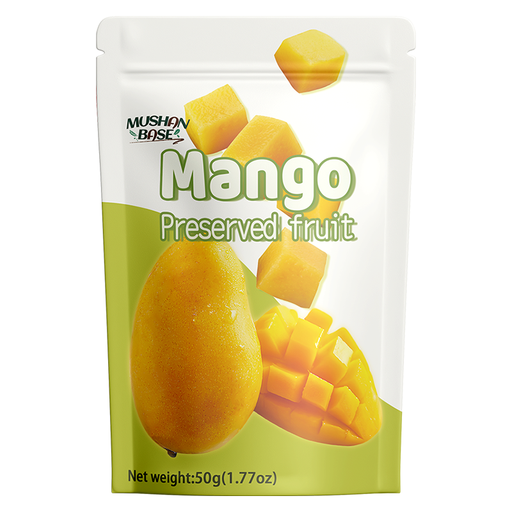 No image available
The description mentions individually wrapped mango, suitable for eating on the go.
Per 100 grams: 1 gram of protein and 78.7 grams of carbohydrates.
The ingredients list states that it contains sugar, glucose powder, maltose syrup and sulphites.
According to the Netherlands Nutrition Centre, recreational athletes generally don’t need special protein shakes or bars. First check whether you get enough protein from your everyday diet.
Not necessarily. The November 2007 study in the Journal of Strength and Conditioning Research involved eight trained cyclists and a short exercise session in a laboratory. It didn’t examine a full day of outdoor cycling or protein-focused recovery.
No, follow the advice for the specific product. AH says its soaked apricots should be refrigerated at a maximum of 7 °C once opened; Jumbo and PLUS advise storing their apricot products checked in a cool, dry, dark place.
Read the ingredients list and allergen information on the pack. The Jumbo apricot product checked states that it contains sulphites and may contain nuts, peanuts and sesame; always check the warnings on the product you’re buying.
No. The Netherlands Food and Consumer Product Safety Authority (NVWA) states that medical claims are prohibited when selling and promoting food. A product description must not suggest that it can treat or cure a condition.