If you want to enjoy dried fruit as a mindful snack, weigh your portion and compare the energy content of the exact product, both per 100 g and per portion. On a longer or more intense ride, your aim may instead be to take useful carbohydrates with you. If so, check the carbohydrate content too, and consider whether you find the solid food easy to eat. A small portion does not automatically make a product low in calories: according to the European Commission, solid foods can only carry the ‘low energy’ claim if they contain no more than 40 kcal (170 kJ) per 100 g.
Who is dried fruit suitable for?
Mindful snacking cyclists
You want to enjoy a manageable portion around a regular bike ride. Compare the nutritional values and portion weight of the exact product; ‘unsweetened’ alone doesn’t tell you how much energy it contains. The Netherlands Nutrition Centre (Voedingscentrum) recommends a maximum of 20 g of dried fruit a day as part of your daily diet. This isn’t a personalised sports nutrition plan.
Cyclists going on longer rides
You’re looking for solid food to fuel prolonged or intense exercise. If so, check the amount of carbohydrate per portion and whether you find the product easy to eat. The Netherlands Nutrition Centre discusses eating around exercise, while Sportzorg notes that solid, carbohydrate-rich foods you enjoy can be a useful option.
Cyclists who prioritise tolerance
You want to know whether solid food is comfortable to eat on the go. If you know you’re sensitive to sulphites, also check the ingredients and allergen information on the exact pack. Sulphites can be found in dried fruit, but checking for them isn’t automatically a selection requirement for everyone.
What should you look for when choosing?
A snack portion
Choose this when: you want to enjoy dried fruit mindfully around a regular bike ride and weigh out your portion.
Bear in mind: a small portion limits how much you eat, but it doesn’t make the product itself low in calories.
Fuel for exercise
Choose this when: you want to take solid, carbohydrate-rich food with you on a longer or more intense ride.
Bear in mind: choosing the option with the least energy isn’t necessarily the most important consideration. Ease of eating and personal tolerance matter too.
First decide whether you’re looking for a snack for regular bike rides or food to eat on the go. Then compare the exact product on the same nutritional basis: the European Union explains that values on the label refer to the product as sold, unless stated otherwise.
| What to consider |
What should you check? |
Who is this important for? |
| Energy and portion |
Compare kcal and kJ per 100 g for the same product, and weigh the portion you’ll actually eat. The Netherlands Nutrition Centre recommends a maximum of 20 g a day as part of your daily diet; this isn’t a sports nutrition guideline. |
If you’re choosing a snack for a regular bike ride, you’ll want to know how much energy your portion provides. Around 36% of consumers prioritise portion size and energy content. |
| Carbohydrates for the ride |
Check the carbohydrate content per 100 g and work out how much you’ll get from your planned portion. First decide whether you’re looking for a snack or food to eat during exercise. |
For a longer or more intense ride, you’ll want to take food that suits when you plan to eat it, rather than focusing only on choosing the lowest-energy option. Around 29% of consumers prioritise fuel for exercise. |
| Tolerance and ingredients |
If you know you’re sensitive to sulphites, check the ingredients and allergen information on the exact pack. Also consider whether you find the texture comfortable to eat on the go. |
If you’re taking solid food with you, you’ll want to know whether you find it easy to eat. If you have a known sensitivity, check the relevant ingredients carefully. Around 21% of consumers prioritise personal tolerance. |
| Packaging and portions |
Compare the net weight and packaging of the same fruit and product type. Follow the storage instructions on the pack and, if you like, divide the contents into portions in advance. |
If you want to fit dried fruit into your shopping and portion planning, packaging and practicality matter too. Around 14% of consumers prioritise shopping convenience and cost. |
Common mistakes when choosing
-
Confusing a small portion with a low-calorie product
The legal threshold for the ‘low energy’ claim on solid foods is assessed per 100 g, not according to a small portion. The European Commission sets the limit at no more than 40 kcal (170 kJ) per 100 g.
Keep two questions separate: how much energy does your portion provide, and does the product itself meet the requirements for the ‘low energy’ claim?
-
Focusing only on low calories during a long ride
Choosing a product because it contains as little energy as possible may work against your aim of maintaining your energy levels during prolonged or intense exercise.
First decide when you want to eat the fruit. If you’re choosing food for the ride, also consider the carbohydrates in your planned portion and whether you find it easy to eat.
-
Using the nutritional values for a different product
Jumbo lists both dried and rehydrated apricots. The nutritional values for one type don’t necessarily apply to the other.
Check the full product name and whether the nutritional table applies to the product as sold or after preparation. Only compare values on the same basis.
-
Judging by the type of fruit alone if you’re sensitive to sulphites
Sulphites can be found in dried fruit, so the name of the fruit doesn’t tell you exactly what’s in a particular pack.
If you know you’re sensitive to sulphites, check the ingredients and allergen information on the exact pack.
Brands to compare
Albert Heijn
Albert Heijn lists products including unsweetened dried pineapple and pitted prunes.
- The product names make it easy to compare specific types and varieties of fruit.
- ‘Unsweetened’ doesn’t prove that a product is low in calories; check the nutritional information on the exact pack.
Jumbo
Jumbo lists various types of dried fruit, including apricots, prunes, dates, cranberries and sultanas.
- You can compare different products and pack weights.
- Jumbo lists both dried and rehydrated varieties; compare the exact product and nutritional basis.
Lidl
Lidl describes Alesto as a range of nuts and dried fruit, including apricots.
- The range gives you a way to distinguish dried fruit from fruit and nut mixes.
- A brand description or nutritional benefit doesn’t prove that a product is low in calories or will improve your cycling performance.
ALDI
ALDI describes Trader Joe’s sun-dried apricots, 250 g, as soft.
- The texture description may be useful if you’re looking for a soft variety.
- ‘Soft’ alone says nothing about calorie content or whether you’ll find the product easy to eat.
PLUS
PLUS lists dried apricots in a stand-up pouch weighing 375 g.
- The packaging and net weight can help you plan your portions.
- Check the current packaging and nutritional information for the product you’re comparing.
Dirk
Dirk describes 1 de Beste Pruimen zonder pit as soft, pitted dried prunes in a 375 g pack.
- The product description clearly identifies the fruit, whether it’s pitted, its texture and the pack weight.
- A retailer’s product description isn’t an independent ranking or proof of a calorie benefit.
Dried fruit at Joybuy
These Joybuy products are different types of dried fruit. Compare the nutritional information for the exact product and choose a portion to suit when you plan to eat it.
 No image available
Zohra Medjool Dates (M), 908g
The product description says the dates are ready to eat and pitted.
Pack weight: 908 g. Storage advice in the product description: store in a cool, dry place.
View at Joybuy
 No image available
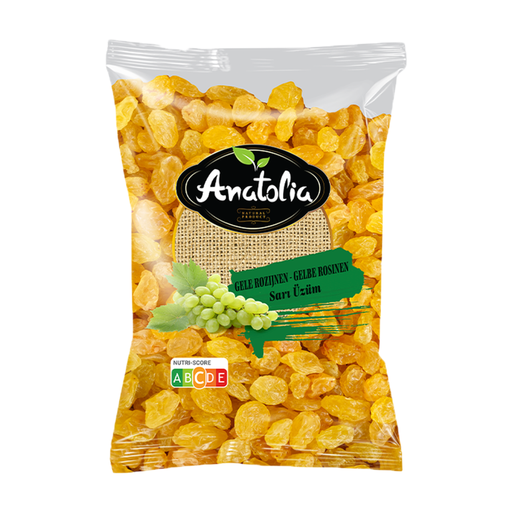
Anatolia Sari Uzum Raisins, 500gr
The product description says the raisins are suitable for eating straight from the pack.
The description states that they’re made from 100% dried grapes and have a net weight of 500 g. Storage advice: store in a cool, dry place.
View at Joybuy
 No image available
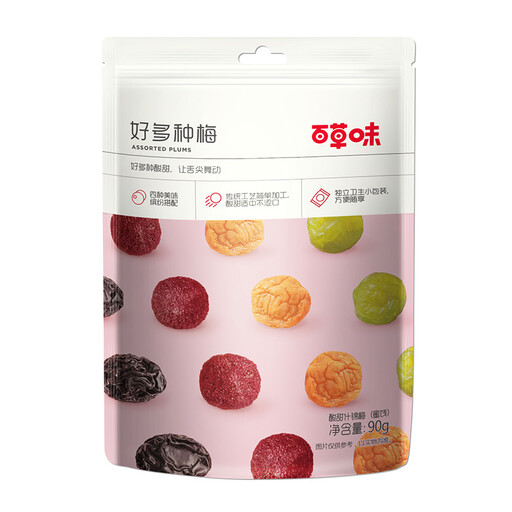
Be&Cheery Various Dried Plum, 90g
The product description says the plums are suitable for eating straight from the pack.
Nutritional value stated in the product description: 68 kcal per 100 g. Net weight: 90 g.
View at Joybuy
 No image available
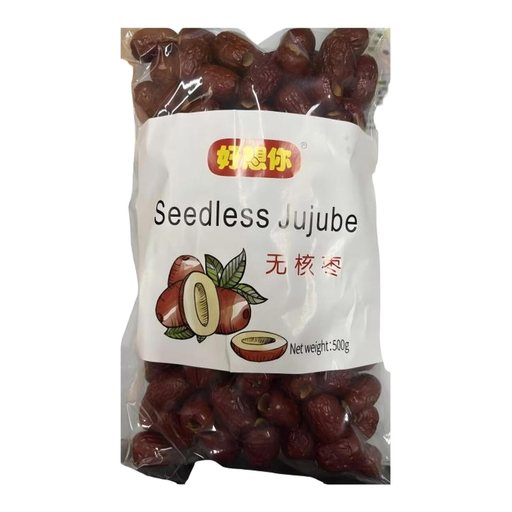
Haoxiangni Pitted Jujubes, 500g
The product title states that these jujubes are pitted.
Nutritional value stated in the product description: 300 kcal per 100 g. Net weight: 500 g.
View at Joybuy
 No image available
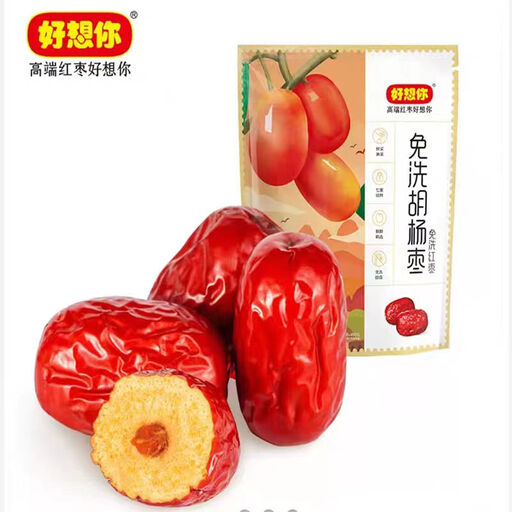
Haoxiangni No-Wash Red Jujube with Pit (Grade 2), 450g
The product title states that these are red jujubes with stones.
Nutritional value stated in the product description: 331 kcal per 100 g. Net weight: 450 g. Storage advice: store in a cool, dry place.
View at Joybuy
Frequently asked questions
Can a small portion of dried fruit be called low in calories?
No, not simply because the portion is small. According to the European Commission, solid foods can only carry the ‘low energy’ claim if they contain no more than 40 kcal (170 kJ) per 100 g. This condition for the claim isn’t a legal limit on how much you can eat.
Is 20 g a day also my limit on a long bike ride?
The Netherlands Nutrition Centre recommends a maximum of 20 g of dried fruit as part of your daily diet, not as a personalised plan for a long ride. For prolonged or intense exercise, the Centre discusses food to help maintain your energy levels. Sportzorg lists solid, carbohydrate-rich foods you enjoy as a useful option.
Do I need sports nutrition for every bike ride?
No. The Netherlands Nutrition Centre says sports bars and gels aren’t necessary if you exercise for less than an hour. They can help you maintain your energy levels during prolonged, intense training, but that doesn’t mean an everyday dried fruit product is a complete nutrition plan.
How can I compare dried and rehydrated varieties fairly?
First check the exact product and what the nutritional table refers to. Compare energy and carbohydrates on the same basis, then calculate the values for your own portion weight. Don’t use figures for a different type of fruit or a prepared product.
What should I check if I’m sensitive to sulphites?
Check the ingredients and allergen information on the exact pack. Sulphites can be found in dried fruit. The Netherlands Food and Consumer Product Safety Authority explains that allergen information for prepacked products appears on the label.


