What should you look for when buying?
First decide which requirement matters most for your conference: protein per portion, allergen information or practical distribution.
Dried fruit on its own
Choose this option when: you want to offer a small fruit portion and don’t expect it to provide a significant amount of protein.
What to consider: according to the Netherlands Nutrition Centre, a 20 g portion of raisins contains 0.6 g of protein and 13.8 g of sugars. The Netherlands Nutrition Centre recommends a maximum of 20 g of dried fruit per day.
Fruit alongside a separate protein source
Choose this option when: you want to provide protein separately from the fruit. The Netherlands Nutrition Centre lists dairy products, tofu, pulses and unsalted nuts among foods that contain protein.
What to consider: assess the contribution of the full combination and make sure you have information about allergens and the handling of each component.
A fruit and nut mix
Choose this option when: you want to offer fruit and nuts in one product and nuts are suitable under your allergen policy. For example, Albert Heijn lists a fruit and nut product with blueberries and cashews.
What to consider: a product name doesn’t tell you how much protein the portion served provides. Check the exact ingredients and allergen information too.
| What to consider |
What to check before buying |
Who should pay particular attention? |
| Protein per portion |
Check the protein per 100 g and per portion actually served, the portion weight and the ingredients. |
When I’m putting together catering for active attendees, I want to know how much protein each portion provides. Around 42% of consumers give protein content the highest priority. |
| Allergen information |
Check the ingredients and allergen information, and make sure it remains available in the format you choose for serving. |
When catering for a mixed conference audience, I want to be able to check which allergens are present in each product on offer. Around 33% of consumers prioritise accurate allergen communication. |
| Portioning and serving |
Check the net weight, portion size and storage instructions. Plan how the food will be handled before the break too. |
When I’m serving portions from larger packs during a break, I want to know how much preparation is involved. Around 25% of consumers give portioning and practical serving the highest priority. |
Brands to consider
These supermarket brands list relevant products worth exploring. A product range or pack details alone don’t prove that a product is suitable as a source of protein.
Albert Heijn
The dried fruit range also includes a fruit and nut product with blueberries and cashews.
- The range listing helps you find products with different ingredients.
- The listing doesn’t confirm the protein content of a specific product. Check the label of the product you’re serving.
Jumbo
The raisin range lists sun-dried sultanas in 250, 500 and 750 g packs.
- The stated net weights are useful when planning portions.
- Pack sizes don’t tell you how much protein a specific portion provides.
Lidl
Lidl lists dried fruit and nuts in its Alesto range, including apricots and almonds.
- The range includes different types of products to compare by ingredients.
- A range listing isn’t a nutritional declaration for a specific product.
ALDI
ALDI lists Trader Joe's sun-dried apricots in a 250 g pack.
- The stated net weight is useful for portion planning.
- The description of the apricots as soft comes from the retailer and says nothing about their protein content.
PLUS
PLUS lists dried apricots in a 375 g stand-up pouch.
- The net weight helps you work out how many packs you need.
- Product information can change, so check the details on the product you choose.
Dirk
Dirk lists 1 de Beste apricots in a 375 g pack, for snacking or use in breakfast dishes and baking recipes.
- The suggested uses and pack size offer a starting point for portion planning.
- The description of the apricots as soft comes from Dirk; the product listing doesn’t support claims of high protein content or recovery benefits.
Products for conference breaks
This selection of Joybuy products includes dried fruit and fruit and nut combinations. Assess the protein content per portion actually served; the product information below doesn’t mean every product is a high-protein choice.
 No image available
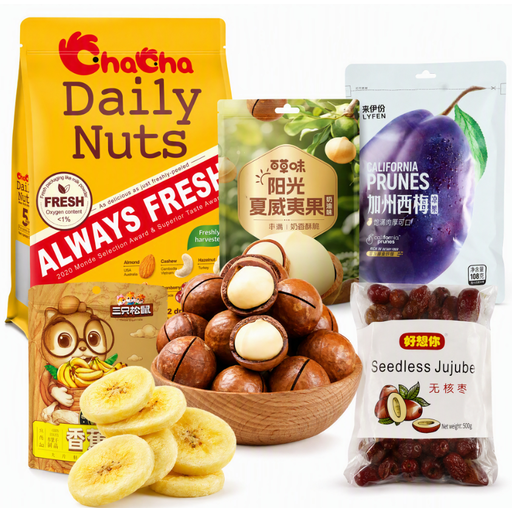
Full of fruit flavor fruit and nut pack, 5-pack, 1,073 kg
A shareable fruit and nut option; the product description lists five different snack products.
The ingredients include several tree nuts. One plum product contains aspartame, a source of phenylalanine. Refrigerate after opening and consume within one day.
View at Joybuy
 No image available
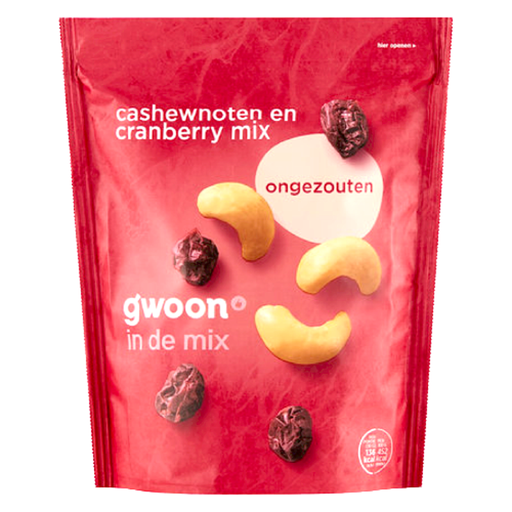
g'woon Cashew and cranberry mix, 200 g
Combines fruit and nuts in one product. Check the portion size and allergen information for your chosen serving format.
The mix contains 50% cashews and 50% sweetened dried cranberries. The nutritional information lists 10,9 g of protein per 100 g. Contains cashews and may contain traces of peanuts and other nuts.
View at Joybuy
 No image available
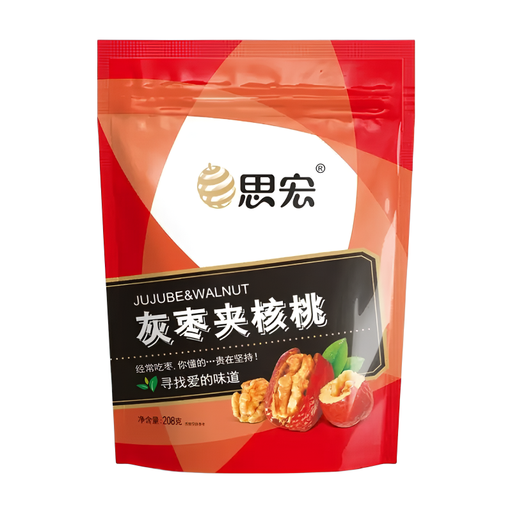
Sihong Gray Dates with Walnuts, 208 g
A combination of dried fruit and nuts for a conference break. Bear in mind that it contains walnuts.
The ingredients are grey dates and walnut kernels. The nutritional information lists 3,4 g of protein per 100 g. Contains walnuts.
View at Joybuy
 No image available
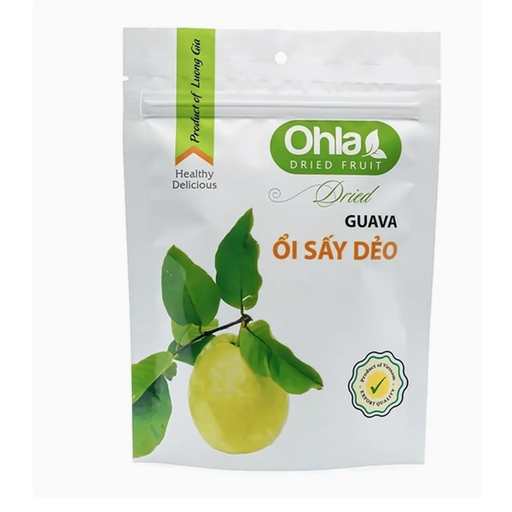
OHLA Dried Guava, 180 g
An option if you want to offer dried fruit without nuts as a snack. Check the ingredients and portion size.
The description lists 95% guava, sugar and preservative. The nutritional information lists 1,27 g of protein per 100 g.
View at Joybuy
 No image available
PHILIPPINE BRAND Dried Mango, 100 g
The individual pack may suit a serving format where portions are handed out separately.
The description lists 75% mango. The nutritional information lists 2 g of protein per 100 g. Contains sulphites.
View at Joybuy
Frequently asked questions
How much protein is in a small portion of raisins?
According to the Netherlands Nutrition Centre, a 20 g handful of raisins contains 0.6 g of protein, alongside 14.3 g of carbohydrates and 13.8 g of sugars. These are generic nutritional values, not figures for a specific supermarket product.
What portion of dried fruit is suitable for a conference break?
The Netherlands Nutrition Centre recommends a maximum of 20 g of dried fruit per day. Use this as general dietary guidance when planning portions, not as a legal limit or proof that the portion meets a protein target.
Do all conference attendees need extra protein if the food is aimed at sport and recovery?
No. Don’t automatically apply sports nutrition advice to everyone at the conference. The Netherlands Nutrition Centre’s advice on increasing protein is specifically aimed at keen strength athletes who want to build muscle mass. Needs depend on personal goals and circumstances.
What do you need to arrange if you’re serving fruit from large packs in bowls?
Make sure you can communicate any allergens when serving unpackaged food, and follow HACCP rules. If allergen information is provided verbally only, make it clear that guests can ask for it. The Dutch Food and Consumer Product Safety Authority outlines these information and handling requirements.
How do you compare pack sizes when buying?
First work out the portion size and number of guests. Divide the total amount you need by the net weight of one pack, then round up to the next whole pack. Jumbo lists raisin packs of 250, 500 and 750 g; PLUS lists dried apricots in a 375 g pack.


