
Fat-conscious coffee-break snackers
You fancy something sweet with your afternoon coffee and compare the fat content on the label. It helps to distinguish a verifiable nutrition claim from a general impression that a product is ‘light’.


When comparing dried fruit, check the fat content per 100 g: for solid foods, the ‘low fat’ claim applies to products containing no more than 3 g of fat per 100 g, according to the European Commission. This claim says nothing by itself about energy value; the separate ‘low energy’ claim requires a maximum of 40 kcal per 100 g. If you want to follow the Dutch Wheel of Five guidelines, choose dried fruit with no added sugar and follow the Netherlands Nutrition Centre’s advice to eat no more than 20 g a day.
You fancy something sweet with your afternoon coffee and compare the fat content on the label. It helps to distinguish a verifiable nutrition claim from a general impression that a product is ‘light’.
You’re looking for dried fruit with no added sugar and want to set out a small portion rather than eat straight from the bag. The Netherlands Nutrition Centre advises eating no more than 20 g of dried fruit a day.
You want to measure out a portion ahead of your coffee break. The pack weight, whether it can be resealed and the storage advice for the specific variety are all practical things to consider.
| What to consider | What to look for | Who should pay extra attention? |
|---|---|---|
| Fat per 100 g | Compare the nutrition information per 100 g; for solid foods, the ‘low fat’ claim applies to products containing no more than 3 g of fat per 100 g. | If I want to check the fat content of my coffee-break snack, I look at the nutrition information rather than the product’s appearance. Around 36% of consumers put fat content first when choosing a product. |
| Sugar and portion size | Check the ingredients list for added sugar and look at the total sugars. The Netherlands Nutrition Centre advises eating no more than 20 g of dried fruit a day. | If you’re looking for a small coffee-break snack with no added sugar, check both the ingredients and the portion size. Around 29% of consumers prioritise sugar and portion size. |
| Packaging and storage | Check the net pack weight, whether the pack is resealable and the storage advice on the label. | If I prepare portions in advance, I want to know how much is in the pack and how to store that particular variety after opening. For around 21% of consumers, practical portioning and storage are the most important factors when choosing. |
| Ingredients and tolerability | If you have a known intolerance or allergy, check the current ingredients list and warnings. If you avoid sulphites, also look for E220–E228. | If you avoid ingredients that don’t agree with you, it’s worth checking the exact variety and its packaging. Around 14% of consumers cite tolerability as their main selection criterion. |
The requirements for the ‘low fat’ and ‘low energy’ claims are separate. Meeting one threshold doesn’t prove that a product meets the other too.
Compare both fat and energy per 100 g, and bear in mind the portion you actually eat.
Dried fruit with no added sugar can still contain sugars. The Netherlands Nutrition Centre points out that dried fruit is high in sugar and recommends limiting how much you eat.
Check the ingredients list for added sugar and the nutrition information for the total sugars.
A range may include different types of fruit, nuts and mixes. The category name doesn’t tell you which ingredients are in the pack you’ve chosen.
Check the exact variety and read the ingredients list and nutrition information on the packaging.
Albert Heijn’s range includes, among other options, soaked dried apricots and unsweetened dried pineapple.
Jumbo lists Sun-Dried Sultana Raisins in a 500 g pack.
Lidl offers dried fruit in its Alesto range, including apricots.
ALDI lists, among other options, Trader Joe’s Raisins in a 500 g pack and a separate 200 g fruit mix in a resealable pack.
PLUS lists dried apricots in a 375 g stand-up pouch.
Dirk’s range overview includes, among other options, pitted apricots, pitted prunes, figs and dates.
This Joybuy selection includes dried fruit products whose product information lists fat content, ingredients or portioning details. Check the current product information and packaging before choosing.
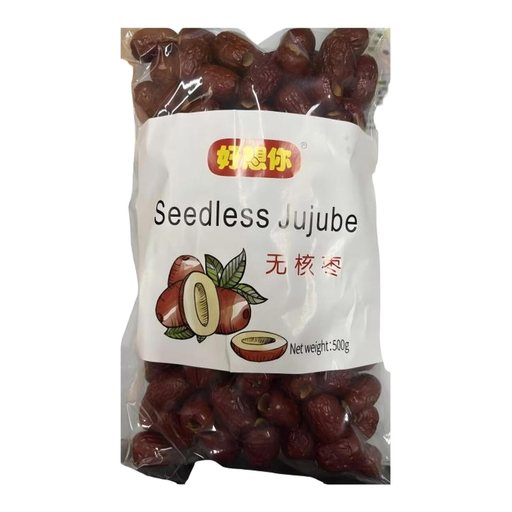 Image unavailable
This variety may be worth considering if you’re comparing the fat content of dried fruit per 100 g.
According to the product description, it contains 0.5 g of fat per 100 g and is made from 100% red dates. The description advises resealing the pack securely after opening and storing it below 15 °C.
 Image unavailable
These pitted jujubes may suit anyone looking for a ready-to-eat option and comparing fat content per 100 g.
The product description lists 0 g of fat per 100 g and jujube as the ingredient. According to the description, the product should be eaten immediately after opening.
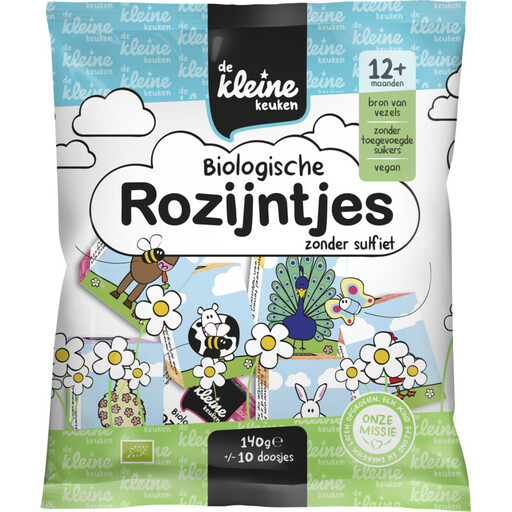 Image unavailable
The individual boxes can be handy if you want to prepare a portion in advance.
According to the product description, the pack contains ten 14 g boxes and has no added sugars; the sugars are naturally present. The description states that the product is suitable from 12 months, should be eaten under supervision and is not suitable for children with swallowing difficulties.
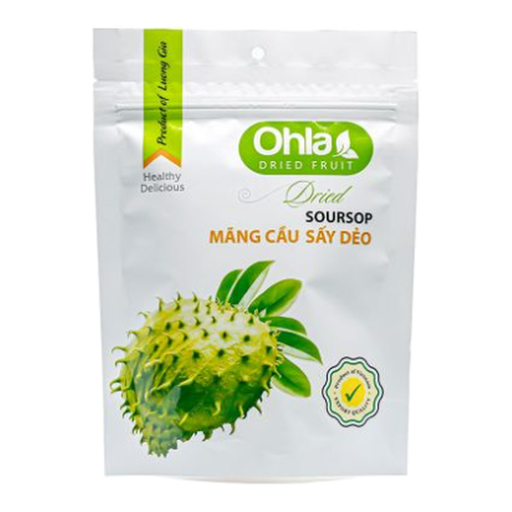 Image unavailable
This dried soursop may be worth considering if you want to compare the stated fat content per 100 g.
The product description lists 2.21 g of fat per 100 g and names white sugar, glucose and sulphites (sodium metabisulphite/E223) as ingredients. After opening, the description advises sealing the pack securely or refrigerating the product.
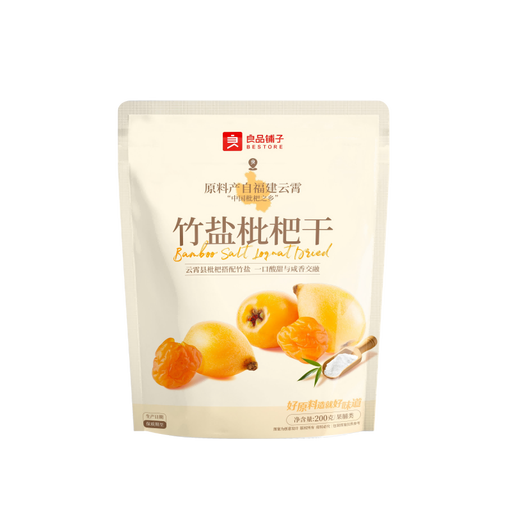 Image unavailable
This dried loquat may be worth considering if you want to compare fat content per 100 g with the ingredients.
The product description lists 0 g of fat per 100 g and a pack size of 200 g. The ingredients listed are white sugar, syrup and sulphites (E223).
For solid foods, the limit is 3 g of fat per 100 g. According to the European Commission, this is a requirement for the ‘low fat’ nutrition claim, not a requirement that all dried fruit must meet.
The Netherlands Nutrition Centre advises eating no more than 20 g of dried fruit a day. If you have that portion with your afternoon coffee, count any dried fruit you eat at other times that day too. Weighing it out makes the portion size clear.
For dried mixed fruit, the Netherlands Nutrition Centre gives a storage time of 6–9 months in a kitchen cupboard. This doesn’t automatically apply to other types of dried fruit; follow the label for the specific variety.
Check the ingredients list for sulphites and preservatives E220–E228. Stichting Voedselallergie notes that sulphites can be present in dried fruit. The NVWA requires allergens to be clearly distinguished in the ingredients list.
No. The wording refers to added sugar; dried fruit can contain naturally occurring sugars. Check the ingredients list and look at the total sugars in the nutrition information.