
Post-workout recovery snack
Your afternoon break comes after intense exercise, and you want to know how much protein your whole snack provides rather than looking only at the fruit packet.


Dried fruit goes well with coffee as a fruit component, but it isn’t automatically your main source of protein. The label on Jumbo Pitted Dried Apricots states that a 20 g portion contains 0.6 g of protein. If your break comes after intense exercise, consider the protein contribution of your whole snack or meal, and pay attention to portion size, allergens and the storage instructions for the specific product.
Your afternoon break comes after intense exercise, and you want to know how much protein your whole snack provides rather than looking only at the fruit packet.
You’re looking for a small portion of fruit to enjoy with your coffee and want to distinguish added sugars from total sugars.
You’re taking something with you and want to bear in mind the portion size and storage instructions for the specific product. Rehydrated fruit may need to be stored differently from other dried fruit.
First decide whether you’re mainly looking for a fruit component to enjoy with coffee, or whether your whole snack also needs to contribute to your protein intake after exercise.
A good fit if: you mainly want a sweet fruit component and get protein at other meals or snacks.
Bear in mind: the apricots in this example provide little protein per small portion. And no added sugar doesn’t mean they’re low in total sugars.
A good fit if: your coffee break is also a meal or snack after intense exercise. The Association of Sports Nutrition Experts Netherlands gives quark with fruit and muesli as an example of a recovery meal.
Bear in mind: consider the whole combination; adding fruit doesn’t automatically make it a high-protein product.
A good fit if: you’re looking for a combination with nuts and they suit you. The Netherlands Nutrition Centre lists unsalted nuts as a plant-based source of protein.
Bear in mind: a fruit and nut mix isn’t automatically high in protein. Check the nutritional information for the exact mix and look out for allergens.
| What to consider | What should you check? | Who should pay particular attention? |
|---|---|---|
| Protein contribution | Compare protein per 100 g and per portion. Jumbo states that a 20 g portion contains 0.6 g of protein. | If you want to know how much your whole snack contributes after exercise, look beyond the fruit portion alone. Around 42% of consumers prioritise protein when making this choice. |
| Sugars and portion size | Check both the ingredients and the total sugars. PLUS states that the product contains 53.4 g of sugars and 0 g of added sugars per 100 g. | If you’re looking for a small sweet treat with your coffee, it helps to decide in advance how much you’ll have. Around 25% of consumers prioritise sugar and portion size. |
| Taking it with you and storage | Check the instructions for the exact product. AH Soft Dried Apricots must be kept refrigerated at a maximum of 7 °C after opening. | If you’re storing your snack at work or taking it with you, you’ll need to be able to follow the product instructions. Around 17% of consumers prioritise portability and storage. |
| Allergens | Check the current ingredients list and allergen information. Jumbo lists E220; the Netherlands Food and Consumer Product Safety Authority (NVWA) includes nuts and milk among common allergens. | If you have a known allergy or sensitivity, check every part of a combination. Around 16% of consumers prioritise allergens. |
Jumbo states that a 20 g portion contains 0.6 g of protein. That’s a limited contribution when you’re assessing the protein in your whole meal or snack.
Consider the protein contribution of your whole snack or meal, especially after intense exercise.
PLUS states that the product contains 0 g of added sugars, but also 53.4 g of total sugars per 100 g.
Read both the ingredients list and the nutrition table, and decide on your portion in advance.
AH Soft Dried Apricots come with specific storage instructions once opened: keep refrigerated at a maximum of 7 °C.
Check the storage instructions for the exact product before choosing it as a desk snack.
If a product needs to be refrigerated, you’ll need a suitable place to keep it cool after opening.
The apricots in this example may contain sulphites; nuts or milk in additional ingredients may also be relevant.
If you have a known allergy or sensitivity, check the ingredients, clearly highlighted allergens and warnings on the current packaging.
According to Albert Heijn, AH Soft Dried Apricots make a soft fruit component that can be combined with yoghurt or nuts, for example.
Jumbo Pitted Dried Apricots 250 g provides label information per 100 g and per 20 g portion.
Lidl’s Alesto range includes nuts and dried fruit, including dried mango strips.
ALDI describes Trader Joe’s Sun-Dried Apricots in a 250 g pack.
PLUS Dried Apricots are sold in a 375 g stand-up pouch.
Dirk describes pitted apricots and says you can buy the product in store.
These products are a good fit for a coffee break with dried fruit, either on its own or combined with nuts. Check the nutritional information and ingredients for the product you choose.
 No image available
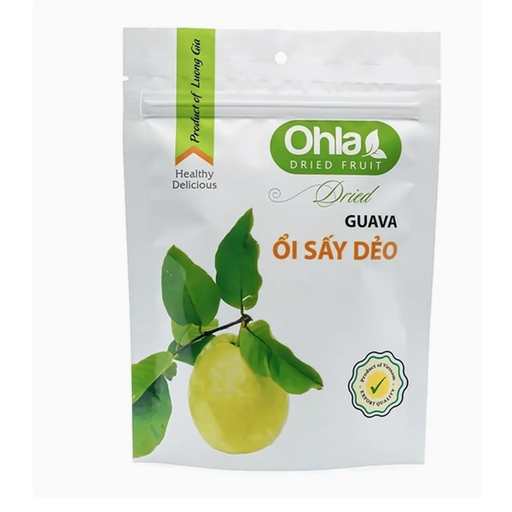
This dried guava makes a fruit component to enjoy with coffee; the product information suggests it can be eaten as a snack.
The ingredients list states that it contains 95% guava, sugar and a preservative.
 No image available
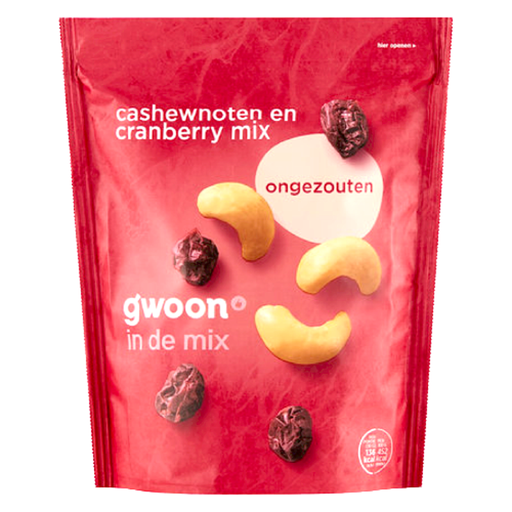
This mix combines dried fruit with cashew nuts, for anyone who wants both with their coffee.
The product information states that it contains 50% cashew nuts, 50% dried cranberries and 10.9 g of protein per 100 g. The cranberries are sweetened; the product contains cashew nuts.
 No image available
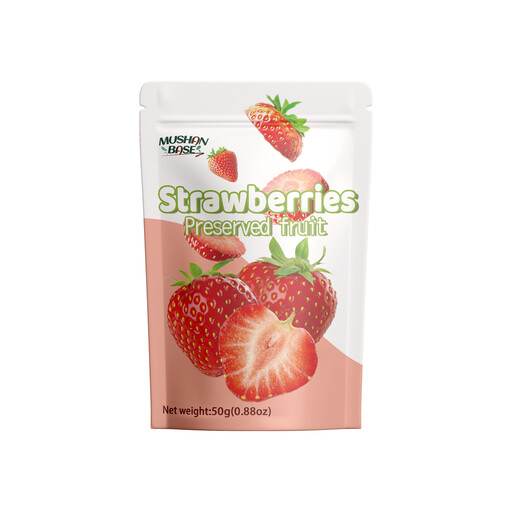
These dried strawberries make a fruit component to enjoy with coffee or as a snack on the go.
The nutritional information states that the product contains 1.2 g of protein and 57.4 g of sugars per 100 g; sugar is also listed in the ingredients.
 No image available
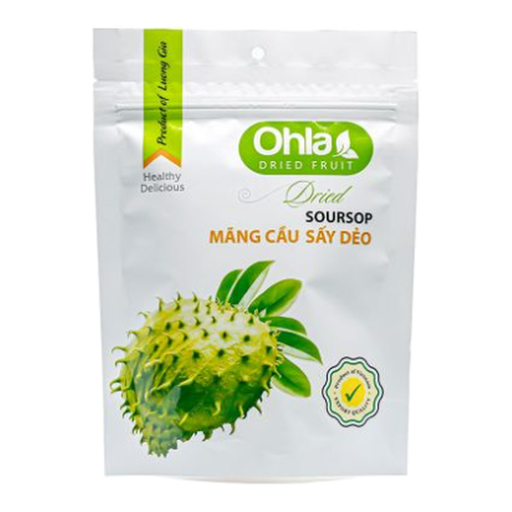
This dried soursop can be enjoyed with coffee as a fruit component or used as a topping.
The nutritional information states that the product contains 2.25 g of protein and 72.6 g of sugars per 100 g. It also contains sulphites.
 No image available
The individually wrapped mango pieces are ideal for a coffee break at home or on the go.
The nutritional information states that the product contains 2 g of protein and 56 g of sugars per 100 g. It contains sulphites.
No. According to the Netherlands Nutrition Centre, most people who exercise don’t need special foods. After intense exercise, especially if you’ll be exercising again soon, it’s worth paying extra attention to the protein in your recovery meal.
No, follow the instructions on the specific packaging. AH Soft Dried Apricots must be kept refrigerated at a maximum of 7 °C after opening.
Check the ingredients list and the clearly highlighted allergen information. The Netherlands Food and Consumer Product Safety Authority (NVWA) explains that allergens which must be declared should be easy to identify. For apricots and combinations, look out for sulphites, nuts and milk, for example.
No, the wording alone doesn’t prove that a product meets the requirements for the nutrition claim. According to official EU guidance, the product must demonstrably meet the official definition and conditions for the claim being used.
Decide in advance how much you want to eat and compare the nutritional information for that amount. The Netherlands Nutrition Centre advises having no more than a handful of dried fruit without added sugar, because of its sugar content.