
Calorie-conscious coffee snackers
You fancy a little sweet snack with your coffee and want to keep an eye on the energy content of the portion you actually eat, rather than a general health claim.


Choose based on the kcal in the amount you actually weigh out, rather than the product name or the ‘no added sugar’ claim. The Netherlands Nutrition Centre recommends eating no more than 20 g of dried fruit a day. Also compare the ingredients and storage instructions: AH Soaked Dried Apricots must be refrigerated after opening, while other varieties we checked have different instructions.
You fancy a little sweet snack with your coffee and want to keep an eye on the energy content of the portion you actually eat, rather than a general health claim.
You want to take dried fruit with you but won’t be able to keep it chilled while you’re out. So check that you can follow the storage instructions for the variety you choose.
You want to know what else is in the pack besides fruit, so you check for added sugars, preservatives and any allergen information that’s relevant to you.
First compare the energy content of a weighed portion, then check whether the ingredients and storage instructions suit your journey.
| What to consider | What to look for | Who is this important for? |
|---|---|---|
| Energy per portion | Compare kcal per 100 g and calculate the amount for the same portion weight. | If I’m choosing a small amount to have with my coffee, I want to know the energy content of the portion I’ve weighed out. Around 36% of consumers say portion energy is their top priority. |
| Storage while travelling | Check the instructions for after opening and whether you can follow them while travelling. | If I don’t have refrigeration with me, I choose a variety whose storage instructions I can follow while I’m out. Around 29% of consumers prioritise convenient storage. |
| Ingredients and sensitivities | Read the ingredients and allergen warnings on the current packaging. | If I want to avoid certain ingredients or allergens, I check the label of the exact variety. Around 21% of consumers prioritise ingredients and personal sensitivities. |
| Pack size | Choose a net weight that suits how much you use and follow the instructions for after opening. | If I won’t finish a pack quickly, I want the amount to suit how I use it and to avoid waste. Around 14% of consumers prioritise pack size and reducing waste. |
The threshold for the claim applies per 100 g, not to a portion you choose yourself. For solid foods, the European Commission sets the ‘low calorie’ claim limit at a maximum of 40 kcal (170 kJ) per 100 g.
Compare the energy content of the portion you’ve weighed out, but don’t describe a product as low in calories just because you eat a small amount of it.
A portion listed by a retailer on a product page may be larger than the Netherlands Nutrition Centre’s recommendation to eat no more than 20 g of dried fruit a day.
Weigh out your own portion and remember to count any dried fruit you eat at other times too.
AH Soaked Dried Apricots must be stored at a maximum of 7 °C after opening. The Jumbo apricots, AH raisins and PLUS prunes we checked have different storage instructions.
Check the current packaging and choose a variety whose instructions you can follow while travelling and at work.
No added sugar doesn’t automatically mean low in energy. AH Raisins lists 0 g of added sugars and 344 kcal per 100 g.
Read the ingredients and energy information together, and compare products on the same quantity.
Albert Heijn sells products including soaked dried apricots and raisins, both in 250 g packs.
Jumbo sells pitted dried apricots and a range that includes apricots, prunes, dates and raisins.
Lidl lists dried tropical fruit and dried fruit; the offer on dried fruit is available in selected stores.
ALDI lists TRADER JOE’S Sun-Dried Apricots in a 250 g pack.
PLUS sells dried prunes in a 375 g bag.
Dirk sells 1 de Beste Apricots; according to Dirk, 1 de Beste is the shop’s own brand.
These products are useful for comparing dried prunes and guava by weighed portion. For all the varieties shown, the energy per 100 g is above the threshold for the ‘low calorie’ claim.
 No image available
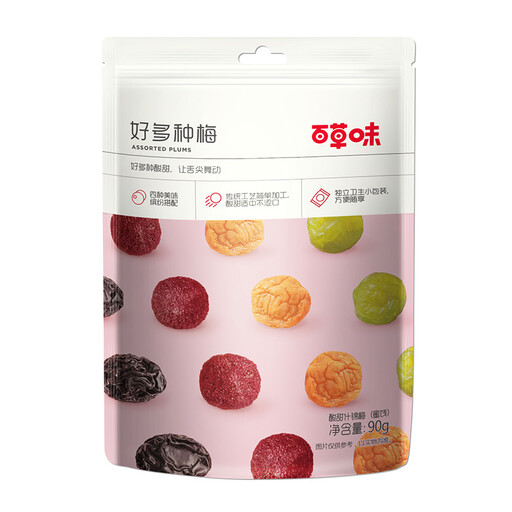
A good option if you want to take prunes with you as a small snack and weigh out your portion in advance.
Joybuy lists 68 kcal per 100 g; 20 g works out at around 13.6 kcal. The description lists sugar, salt and sweeteners, and recommends storing in a cool, dry place. Seal the pack tightly after opening.
 No image available
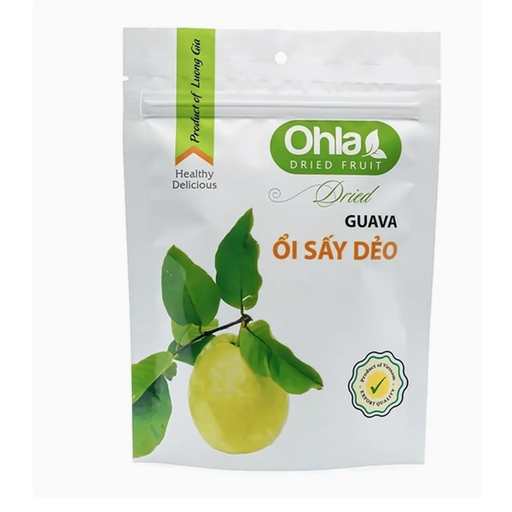
A good option if you want to take guava with you and weigh out the amount yourself.
Joybuy lists 308 kcal per 100 g, or around 61.6 kcal per 20 g. The description lists 95% guava, sugar and a preservative. Store in a cool, dry place and seal the pack tightly after opening.
 No image available
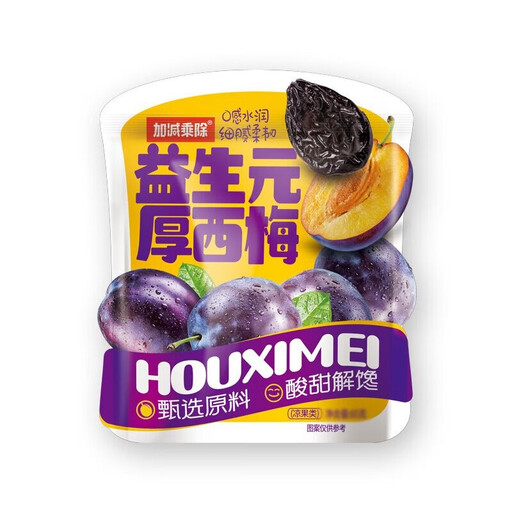
A good option if you want to take individually packed prunes with you; each pack contains 65 g.
Joybuy lists 214 kcal per 100 g, or around 42.8 kcal per 20 g. The ingredients description lists prunes, fructose syrup and oligofructose. Store in a cool, dry place.
 No image available
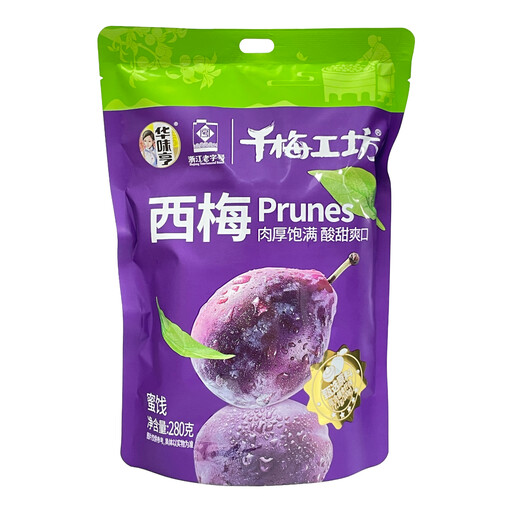
A good option if you want to take dried plums with you and weigh out your portion in advance.
Joybuy lists at least 60% dried plums and 285 kcal per 100 g, or around 57 kcal per 20 g. The description says the product can be eaten straight from the bag and should be stored in a cool, dry place.
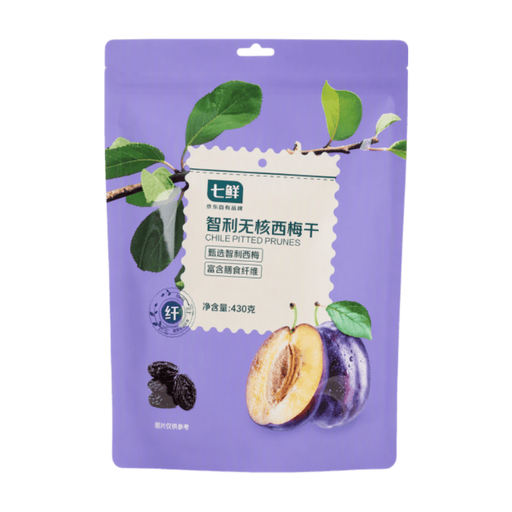 No image available
A good option if you want to take pitted prunes with you and decide on the portion size yourself.
Joybuy lists 283 kcal per 100 g, or around 56.6 kcal per 20 g, and 0 g of fat per 100 g. The description says the prunes are ready to eat and should be stored in a cool, dry place.
Weigh out your portion in advance. The Netherlands Nutrition Centre recommends eating no more than 20 g of dried fruit a day, so remember to include what you eat at other times too. This is dietary advice, not a legal maximum snack portion.
It depends on the exact variety. After opening, AH Soaked Dried Apricots must be refrigerated at a maximum of 7 °C and have a limited shelf life. The Jumbo apricots, AH raisins and PLUS prunes we checked say to store in a cool, dry, dark place. Always follow the current packaging.
No. AH Raisins lists 0 g of added sugars, but 344 kcal per 100 g. For solid foods, the European Commission sets the ‘low calorie’ claim limit at a maximum of 40 kcal (170 kJ) per 100 g; the supermarket products we checked do not meet that threshold.
Check the ingredients and warnings on the packaging for the exact variety. The AH and Jumbo apricots we checked contain sulphites; Jumbo also says that the apricots may contain nuts, peanuts and sesame. The NVWA requires the relevant allergens to be clearly identifiable on the label.
Not on its own. According to the Netherlands Nutrition Centre, the printed date applies to an unopened pack; after opening, follow the product instructions. A best-before date relates to quality, while a use-by date relates to safety: don’t use a product after its use-by date.