
Label-readers with coeliac disease
You want to check the ingredients and cross-contamination information for the right product before buying. The Dutch Coeliac Society explains that cross-contamination can also occur during processing.


For coeliac disease, dried fruit is best treated as a small fruit addition, not a main source of protein: the Netherlands Nutrition Centre lists 0.4 g of protein per 9 g dried apricot. Check the current ingredients and cross-contamination information for the specific product, and get the protein you need from the snack or meal as a whole.
You want to check the ingredients and cross-contamination information for the right product before buying. The Dutch Coeliac Society explains that cross-contamination can also occur during processing.
You’re looking for fruit to add to a snack or meal, and want to assess the protein in the whole eating occasion. The Netherlands Nutrition Centre lists dairy products and soya- or pea-based alternatives among sources of protein.
You want a product and a way to use it that suit a modest portion. The Netherlands Nutrition Centre recommends a maximum of 20 g of dried fruit per day; this is dietary advice, not a legal product limit.
If you have coeliac disease, first check whether the specific product is suitable. Then compare its protein content with the portion you’ll actually eat.
Choose this when: you mainly want a small fruit addition and get your protein from other parts of your diet.
Consider: dried fruit isn’t a complete protein snack; also check whether the product is suitable for a gluten-free diet.
Choose this when: you want a snack mix and nuts are suitable for you.
Consider: having nuts in the mix doesn’t automatically make it high in protein; check the nutritional information and all the ingredients.
Choose this when: you want to pair fruit with, for example, a dairy product or a soya- or pea-based alternative.
Consider: most of the protein will come from the base you choose. Check both products separately for ingredients and suitability for coeliac disease.
| What to consider | What should you check? | Who should pay extra attention? |
|---|---|---|
| Coeliac disease and cross-contamination | Read the ingredients and cross-contamination information for the exact product you’ve chosen. | When I shop with coeliac disease, I want to know whether a product fits my diet before thinking about flavour or protein. Around 36% of consumers put suitability for coeliac disease first. |
| Protein per portion | Compare the protein per 100 g and per portion you’ll actually eat. | For a post-workout snack, I want to know what my portion contributes without treating fruit as a main source of protein. Around 29% of consumers give protein content top priority. |
| Portion size and added sugar | Check the ingredients for added sugar and the nutrition table for total sugars. | If I want a small portion, I pay attention to the amount and the difference between added and total sugars. Around 21% of consumers put this first. |
| Product information and convenience | Check the exact product and pack; only compare products on the same weight basis. | When I want to shop at my regular supermarket, I need up-to-date information about the exact product. Around 14% of consumers put easy shopping with useful product information first. |
The ingredients alone don’t always tell the whole story: the Dutch Coeliac Society points out that cross-contamination can happen during processing.
As well as checking the ingredients, read the cross-contamination information for the specific product.
The Netherlands Nutrition Centre lists 0.4 g of protein per 9 g dried apricot. The Netherlands Food and Consumer Product Safety Authority says that protein claims are subject to legal criteria.
Check the protein per portion and assess the contribution of the snack or meal as a whole.
The Netherlands Nutrition Centre recommends a maximum of 20 g of dried fruit per day. This dietary advice doesn’t make dried fruit a substitute for a protein source.
Use fruit as an addition, and check the protein component’s nutritional information and suitability for coeliac disease separately.
The range includes dried fruit and fruit-and-nut mixes, including an organic mix of raisins, pineapple, mango and almonds.
Jumbo lists Pitted Dried Apricots 250 g in this category.
According to Lidl, the Alesto range includes nuts and dried fruit, including almonds and apricots.
ALDI lists TRADER JOE'S Sun-Dried Apricots in a 250 g pack.
PLUS lists Dried Apricots, Stand-Up Pouch 375 g in this category.
Dirk lists 1 de Beste Apricots in its cupboard staples and baking products range.
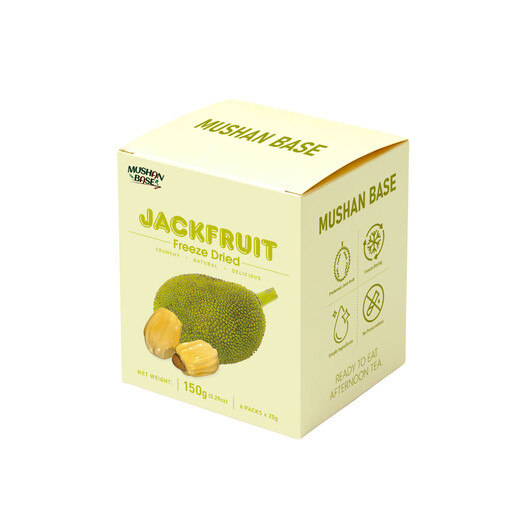
These products are dried fruit for snacking or using as a topping. Before eating, check the ingredients and cross-contamination information on the specific pack, and assess the protein content of your full portion.
 No image available
This pack is intended for snacking or use as a topping. If you have coeliac disease, check the ingredients and cross-contamination information for this product before choosing it.
 No image available
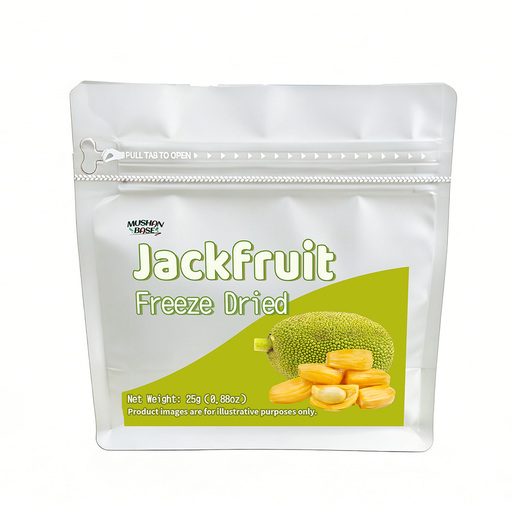
The product description suggests using it as a snack or topping. Check the protein in your portion, and look at the pack for information about gluten and cross-contamination.
 No image available
This guava is described as suitable for snacking or as an ingredient in dishes and trail mix. Check the specific pack for ingredients and cross-contamination information.
 No image available
The description suggests using it as a snack or adding it to yoghurt, porridge and breakfast cereals. If you have coeliac disease, check the ingredients and cross-contamination information for this product before use.
 No image available
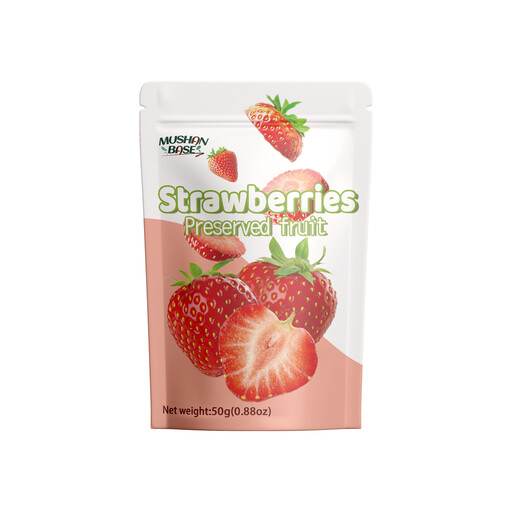
The description suggests using these as a snack or topping. Check the current pack for ingredients and cross-contamination information, and assess the protein in the snack as a whole.
It’s better to use it as a fruit addition. The Netherlands Nutrition Centre lists 0.4 g of protein per 9 g dried apricot. So, assess the protein in the snack or meal as a whole, and check that your chosen products are suitable for a gluten-free diet.
No. Checking the ingredients alone isn’t always enough. The Dutch Coeliac Society points out that cross-contamination can occur during processing, so also check the cross-contamination information for the specific product.
Avoid contact with foods containing gluten while preparing and serving it. The Dutch Coeliac Society identifies crumbs as a possible source of cross-contamination, so use a clean work surface and clean utensils.
According to the Netherlands Food and Consumer Product Safety Authority (NVWA), new rules for allergen cross-contamination warnings have applied since 1 January 2026. The NVWA says the production date is the starting point and allows previously produced packaged food to be sold, provided it isn’t unsafe.
Check the current packaging before eating the product, and contact customer services if anything is unclear. Albert Heijn and PLUS warn that ingredients, nutritional information and allergen information can change.