When choosing dried fruit for coeliac disease, first check whether the exact variant is suitable for a gluten-free diet; a supermarket name or a general ‘free from’ description isn’t enough to confirm this. Then check for any cross-contamination warnings and other allergens that are relevant to you. Once you’ve done that, compare the type of fruit, portion size, packaging and convenience of buying it.
Who is this relevant to?
Label-conscious shoppers with coeliac disease
You’re looking for dried fruit for a gluten-free diet and want to check the ingredients and cross-contamination warnings before choosing based on flavour or packaging. The Dutch Coeliac Society and the Netherlands Food and Consumer Product Safety Authority provide general guidance on these considerations; this doesn’t replace checking the exact packaging.
Shoppers with additional allergies
As well as gluten, you may need to avoid another allergen, such as nuts or sulphites. Check this dietary requirement separately: gluten-free doesn’t automatically mean free from other allergens. The Netherlands Nutrition Centre and the NVWA treat allergens as separate categories.
Shoppers looking for everyday snacks and breakfast options
Once you’ve checked the dietary requirements, you’ll want to choose a suitable type of fruit and pack size for a snack, breakfast or recipe. Ingredients, nutritional information and storage instructions can help, but they don’t by themselves tell you whether a product is suitable for coeliac disease.
What should you look for when buying?
First, check the dietary requirements for the exact variant. Only then compare nutritional choices and practical features, so the packaging or a claim on the front doesn’t take the place of checking that it’s gluten-free.
| Consideration |
What should you check? |
Who is this important to? |
| Suitability for a gluten-free diet |
Check the ingredients, the type of grain named and any cross-contamination warnings on the current packaging. |
When choosing dried fruit for coeliac disease, I want to know whether this particular variant is suitable for my gluten-free diet. Around 50% of consumers are most concerned about gluten-free suitability and cross-contamination. |
| Other allergens |
Read the full ingredients list and any relevant allergen warnings for foods you need to avoid. |
If I have another food allergy as well as coeliac disease, I check that restriction separately. An additional allergen is the main buying concern for around 20% of consumers. |
| Sugar and portion size |
Compare the ingredients and nutritional information; distinguish between ‘no added sugars’ and ‘sugar-free’. |
If I want to consider my snack portion or sugar intake, I look at the product information once I’ve checked the dietary requirements. This is the main concern for around 20% of consumers. |
| Packaging and storage |
Choose a pack size that suits how much you use and follow the storage advice for the specific variant. |
If practical considerations are my main priority, I look at pack size, storage and the available ways to buy it. This is the deciding factor for around 10% of consumers. |
The NVWA advises consumers to read allergen information carefully; the Dutch Coeliac Society explains why a warning about possible cross-contamination may be relevant. Nutritional choices involve a different consideration: Lidl says its mango strips contain no added sugars, while the Netherlands Nutrition Centre recommends eating no more than 20 g of dried fruit a day. This is nutritional advice, not a legal limit on purchases.
Common buying mistakes
-
Assuming a general ‘free from’ description guarantees a product meets all your dietary needs
A broad description like this doesn’t automatically tell you whether the exact variant is suitable for coeliac disease or another allergy.
Check the current ingredients and warnings on the packaging, using your own dietary requirements as a guide.
-
Brushing off a cross-contamination warning as a formality
The Dutch Coeliac Society explains that this type of warning provides information about a possible risk. You shouldn’t dismiss it without considering it when buying a product for someone with coeliac disease.
Take the warning into account when choosing, and don’t rely on general statements about other products or previous packaging.
-
Confusing ‘no added sugars’ with ‘sugar-free’
Lidl says that its mango strips contain no added sugars, but also that they contain naturally occurring sugars.
Read the ingredients and nutritional information, and assess the portion separately from the claim on the front of the pack.
-
Assuming details about one variant apply to an entire product page
Aldi’s page brings together several variants, including a mix with cashew nuts. The ingredients may therefore vary from one product to another.
Check that the name and variant on the packaging match the information you’re using to make your dietary choice.
Supermarket brands to consider
Albert Heijn
The range includes different types of dried fruit, including raisins, apricots, dates, figs and mango.
- The variety can make it easier to compare different types of fruit.
- The range doesn’t prove that a product is suitable for coeliac disease. Albert Heijn advises checking the current packaging.
Jumbo
Jumbo offers sultanas in 250 g, 500 g and 750 g packs.
- The different pack sizes give you options to suit how much you use.
- The pack size says nothing about gluten-free suitability; check the exact variant.
Lidl
Alesto offers dried fruit and other snacks; Lidl’s range includes mango strips.
- Lidl says its mango strips contain no added sugars and also mentions the sugars that occur naturally.
- This is a claim about a specific Lidl product, not a gluten-free declaration for the Alesto range.
Aldi
Aldi offers products including 500 g packs of Trader Joe’s raisins, as well as a page featuring several fruit and nut variants.
- The 200 g mix described comes in a resealable pack.
- The product page includes several variants, including cashew nuts, so check the ingredients of the variant you choose.
PLUS
PLUS lists 375 g packs of sultanas and 250 g packs of BIO+ sultanas. The BIO+ product information includes ingredients and storage instructions.
- The product page provides information to help you compare ingredients and storage; PLUS lists delivery or collection as ways to buy.
- PLUS warns that product information can change. Its gluten-free list from September 2023 is historical information, not current confirmation for a product.
Dirk
Dirk offers products including 375 g packs of sultanas and 250 g packs of BIO+ sultanas.
- The product pages give examples of fruit types and pack sizes.
- Dirk doesn’t mention a delivery service. A product name or own-brand label isn’t proof that a product is suitable for a gluten-free diet.
Dried fruit at Joybuy
These Joybuy products are dried fruit options, including freeze-dried jackfruit, dates, guava and loquat. Their suitability for coeliac disease hasn’t been confirmed: check the current product information and packaging before choosing them for a gluten-free diet.
 No image available
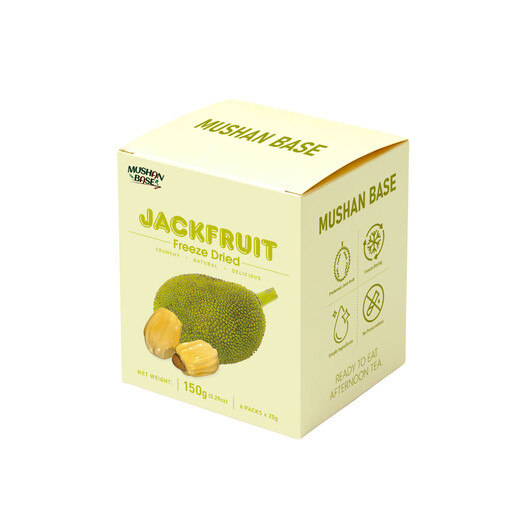
MUSHAN BASE Freeze-Dried Jackfruit 150g (25g x 6)
A good option if you’re looking for freeze-dried jackfruit as a snack or topping.
The description lists 100% jackfruit, no added sugars and six 25 g portions.
View at Joybuy
 No image available
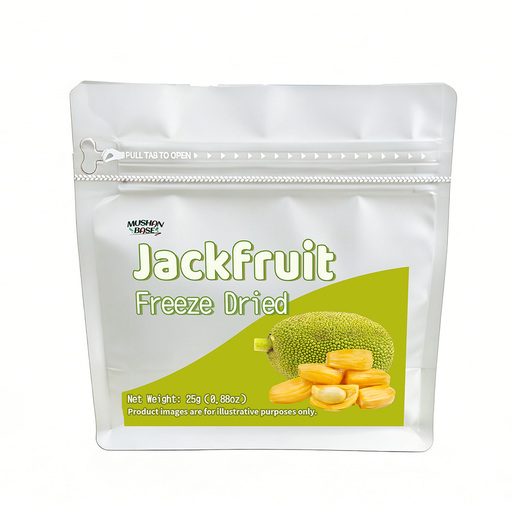
MUSHAN BASE Freeze-Dried Jackfruit 25g
A good option if you’re looking for a portion of freeze-dried jackfruit as a snack or topping.
The description lists 100% jackfruit, no added sugars or preservatives, and a 25 g portion.
View at Joybuy
 No image available
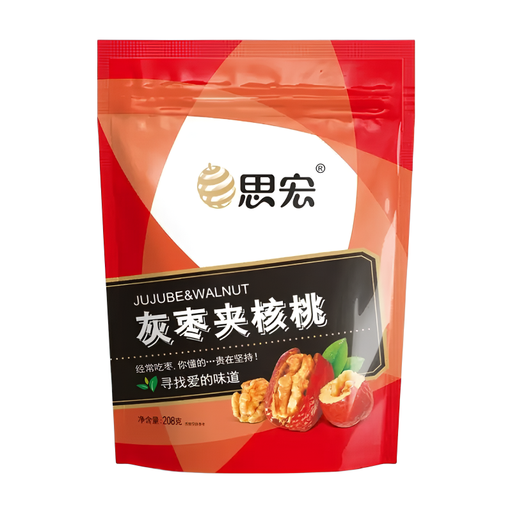
Sihong Gray Dates with Walnuts 208g
A good option if you’re looking for dried fruit with nuts as a snack.
The ingredients description lists grey dates and walnut kernels. Contains walnuts and isn’t suitable for anyone with a walnut allergy. Storage advice: keep in a cool, dry place.
View at Joybuy
 No image available
OHLA Dried Guava 180g
A good option if you’re looking for dried guava as a snack or an ingredient for recipes.
The ingredients description lists 95% guava, sugar and a preservative.
View at Joybuy
 No image available
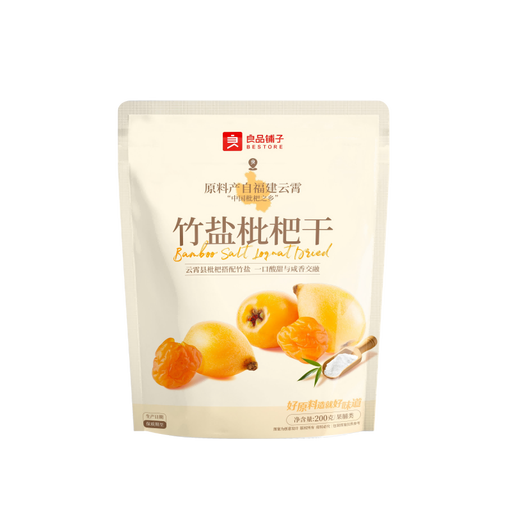
Bestore Dried Loquat with Bamboo Salt 200g
A good option if you’re looking for a soft, chewy dried fruit snack.
The description lists at least 70% loquat and bamboo salt. Contains sulphites; not suitable if you avoid sulphites.
View at Joybuy
Frequently asked questions
Should you only look for the word ‘gluten’ on the label?
No. The NVWA explains that the type of gluten-containing grain, such as wheat or barley, must be named in the ingredients list. So read the full ingredients list and check for cross-contamination warnings too.
Does ‘may contain gluten-containing cereals’ mean every pack contains gluten?
No. According to the Dutch Coeliac Society, this type of warning indicates a possible cross-contamination risk; it doesn’t mean that gluten is necessarily present. Don’t ignore the warning when choosing a product for coeliac disease.
Does gluten-free mean free from all allergens?
No. The NVWA and the Netherlands Nutrition Centre treat gluten-containing cereals and allergens such as nuts, peanuts, milk and sulphites separately. Check for other allergens if they’re relevant to your diet.
How can you prevent dried fruit coming into contact with gluten at home?
Store it separately from products containing gluten and keep it away from bread crumbs. The Netherlands Nutrition Centre points out that even a stray bread crumb can cause symptoms for someone with coeliac disease.
Does ‘no added sugars’ mean the same as ‘sugar-free’?
No. Lidl says its mango strips contain no added sugars, but also that they contain sugars that occur naturally. Check the ingredients and nutritional information for the specific variant.


