What should you look for when buying?
If you have coeliac disease, checking that a product is suitable for a gluten-free diet always comes first. After that, shoppers differ in their main additional buying priority.
| What to consider |
What should you check? |
Who might prioritise this? |
| Suitability for a gluten-free diet |
Check the specific variety, ingredients and warnings about gluten-containing cereals or cross-contamination. |
If I have coeliac disease, I want to know whether this particular pack fits my gluten-free diet before comparing it with others. Around 34% of shoppers identify this certainty as their main additional priority. |
| Energy per portion |
Compare kcal per 100 g and weigh out the same portion; calculate the energy for the amount you eat. |
I want to weigh my portion and compare products using the same amount, rather than comparing different portion columns. Around 33% of shoppers pay most attention to the energy content of their portion. |
| Ingredients and sugars |
Read the ingredients list and check both total and added sugars; check separately for other allergens. |
If I want to check additives or another allergen, I need the full ingredients as well as the gluten-free information. Around 20% of shoppers make the product’s composition their main additional priority. |
| Pack size and storage |
Choose a net weight that suits how often you use the fruit, and follow the storage advice on the pack. |
I only use dried fruit occasionally and want a pack that suits my usage and the storage instructions. Around 13% of shoppers focus mainly on practicality and pack size. |
The percentages give an approximate breakdown of the main additional buying priorities in these scenarios; they are not measured market shares. For shoppers with coeliac disease, suitability for a gluten-free diet remains essential, whatever their main additional priority.
Compare nutritional values on the same basis. The Netherlands Nutrition Centre recommends a maximum of 20 g of dried fruit per day; this is dietary advice, not a legal portion limit. The energy content will depend on the product and the portion you weigh out.
Dried fruit at Joybuy
These Joybuy products are dried fruit options to compare by product type and nutritional information. Before use, check the gluten-free information and warnings on the current pack; suitability for people with coeliac disease must be assessed for each product individually.
 No image available
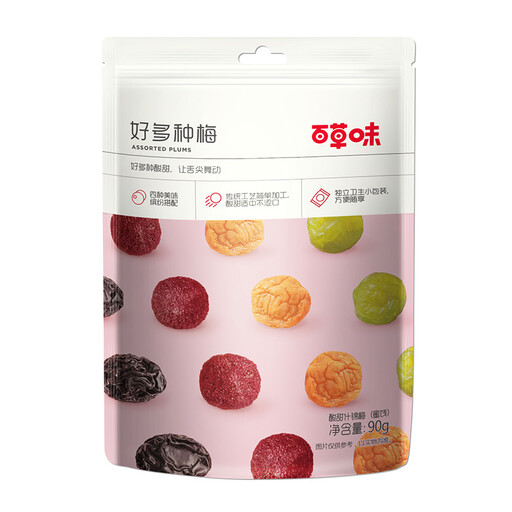
Be&Cheery Various Dried Plum 90g
A variety of plum to compare if you’re looking for dried plums. Before choosing this product if you have coeliac disease, check the ingredients, nutritional values and gluten-free information on the pack.
View at Joybuy
 No image available
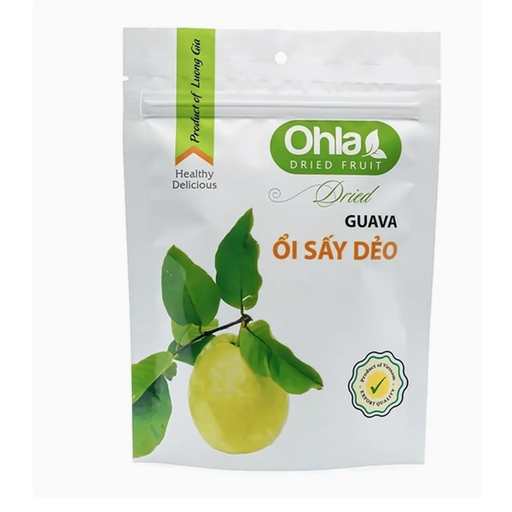
OHLA Dried Guava 180g
A guava option to consider if you’re looking for dried guava. Before choosing this product if you have coeliac disease, check the ingredients, nutritional values and gluten-free information on the pack.
View at Joybuy
 No image available
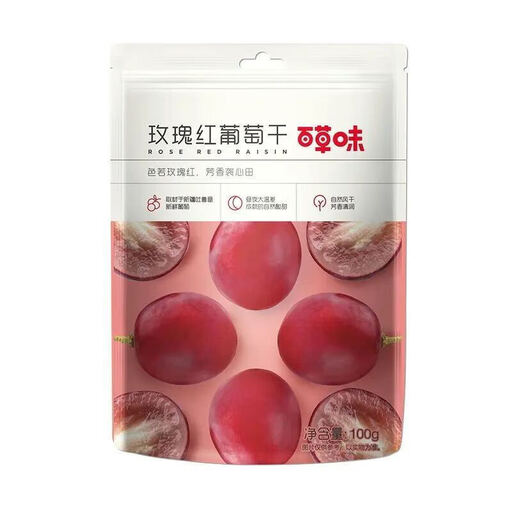
Be&Cheery Rose Red Raisins 100g
These raisins are an option to compare if you’re looking for dried grapes. Before choosing this product if you have coeliac disease, check the ingredients, nutritional values and gluten-free information on the pack.
View at Joybuy
Frequently asked questions
Can dried fruit with 40 kcal in a small portion be described as ‘low energy’?
Not on the basis of that portion alone. According to the European Commission, the ‘low energy’ claim for solid foods is limited to a maximum of 40 kcal (170 kJ) per 100 g, so the limit doesn’t apply to a small handful.
Is the ‘gluten-free’ label the same as a separate certification mark?
No. The ‘gluten-free’ label is covered by European regulations, while a separate certification mark provides additional product information. The two AH prune varieties reviewed are labelled gluten-free; this doesn’t mean that independent certification has been established here.
How can I avoid my snack coming into contact with gluten at home?
Keep the dried fruit away from bread crumbs and other products containing gluten. Use clean utensils and a clean surface when preparing a portion; cross-contamination can happen at home too.
How much dried fruit can I weigh out, and how should I store the rest?
The Netherlands Nutrition Centre recommends a maximum of 20 g of dried fruit per day. Jumbo and PLUS advise storing the products reviewed in a cool, dry and dark place; also follow the best-before and after-opening instructions on the pack you buy.
What should I do if the online product information differs from the pack?
Check the current pack before eating the product, and contact the relevant retailer’s customer service team if you have any questions. Information about ingredients, nutritional values and allergens can change.


